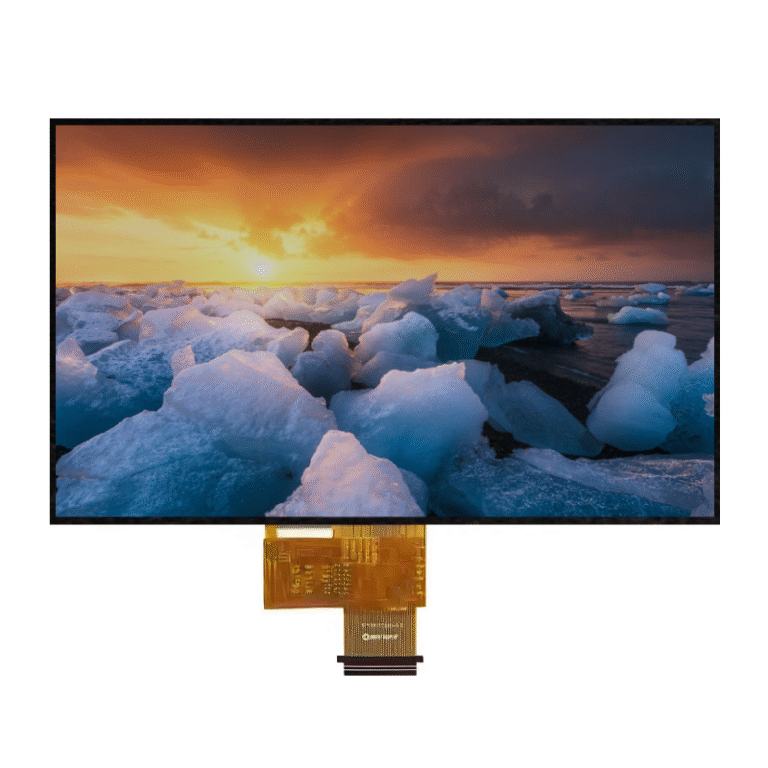
Category OLED

Difference Between LCD, TFT, IPS, LED and OLED?
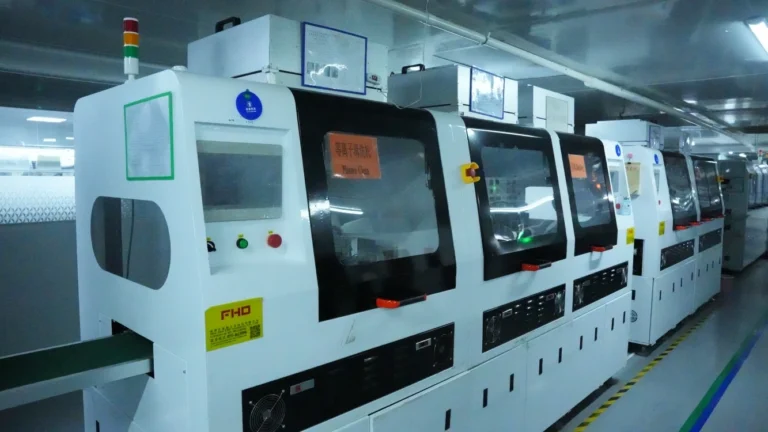
When shopping for a new monitor, smartphone, or TV, you’ve likely encountered acronyms like LCD, TFT, IPS, LED, and OLED. But what exactly do these terms mean? Are they competing technologies, or do they overlap? In this comprehensive guide, we’ll…
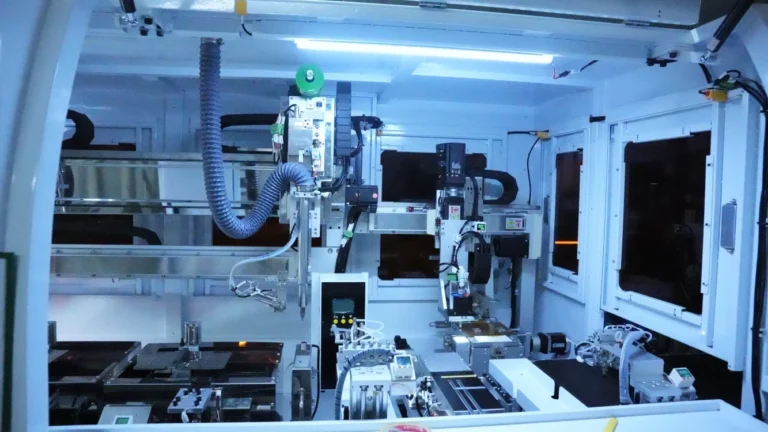
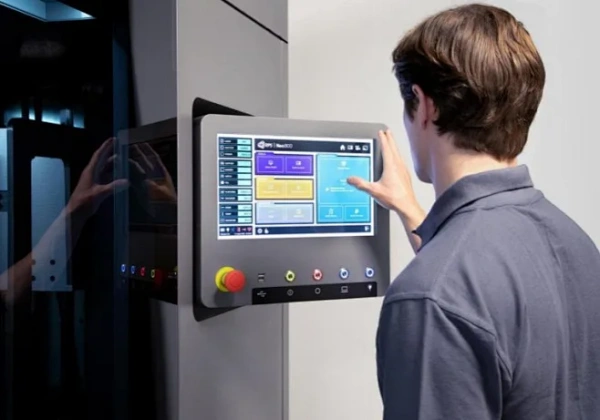
How OLEDs Work

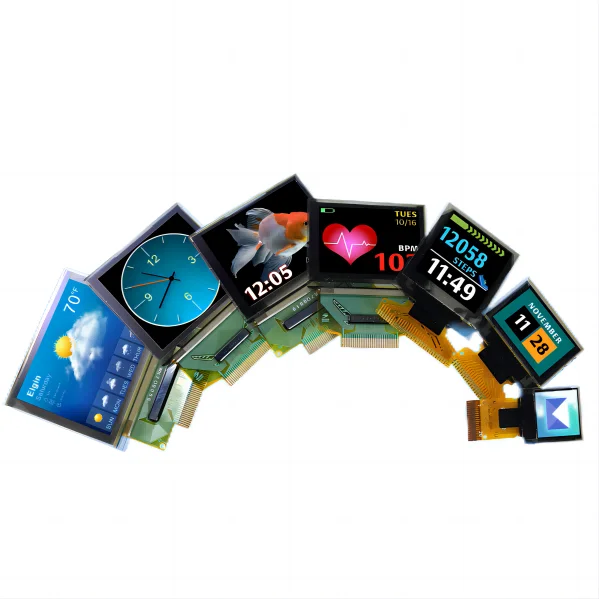
OLED Display Module

1. Introduction: What Is an OLED? OLED stands for Organic Light-Emitting Diode — a flat light-emitting technology that produces bright light when an electrical current is applied to a series of organic thin films sandwiched between two conductors. The “organic”…

Does OLED Consume More Power Than IPS?

Industrial Human-Machine Interfaces

Introduction: A Question That Defies a Simple Answer Does OLED consume more power than IPS? The answer is far more nuanced than a simple “yes” or “no.” To arrive at a meaningful conclusion, one must examine the underlying technical principles…

What is a sunlight-readable display screen?

sunlight-readable display screen

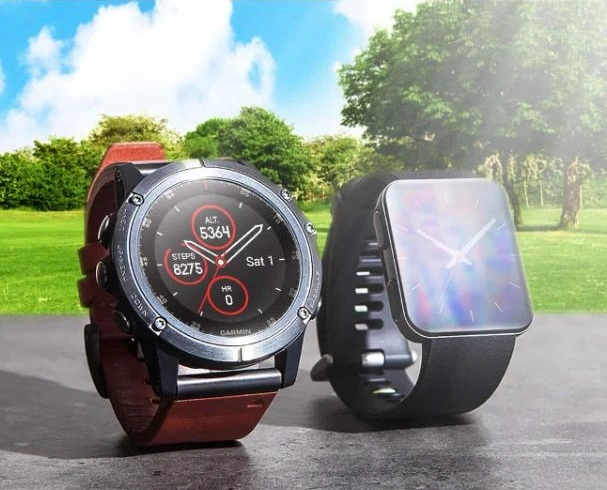
What is a Sunlight-Readable Display? A sunlight-readable display (also called a “sunlight-viewable” or “outdoor-readable” screen) is a display device specifically designed to remain clear and colour-accurate even under strong outdoor lighting, such as direct sunlight. The key difference from ordinary…

OLED Display Module vs LCD: Which Wins Outdoors?

Introduction Outdoor smart devices face some of the harshest operating conditions imaginable. From handheld GPS units and e‑bike dashboards to marine electronics, outdoor charging piles, and rugged tablets, these products must endure direct sunlight, extreme temperature swings, and limited battery…

OLED Display Module Applications in Industrial Equipment

introduction As industrial equipment becomes smarter, more connected, and increasingly compact, the role of display technology has never been more critical. Modern factories, medical facilities, and field operations demand interfaces that are not only functional but also highly readable, energy-efficient,…