






VR 显示屏

为什么 OLED 显示屏更好?

概述

If you’ve ever picked up a flagship smartphone, watched a movie on a high-end TV, or used a sleek wearable device, chances are you’ve already experienced the magic of an OLED 显示屏. But what exactly makes this technology so special? Why are manufacturers rushing to replace traditional LCD screens with OLED panels across everything from smartphones to medical equipment?

In this article, we’ll break down what OLED displays really are, why they’re considered superior, how they stack up against other screen technologies, and where they’re making the biggest impact across industries. We’ll also introduce you to a trusted manufacturer that’s been in this game for over two decades.

What Is an OLED Display?

Let’s start with the basics. OLED 代表 Organic Light-Emitting Diode. Unlike older display technologies that rely on a backlight to illuminate the screen, OLED panels are made up of organic thin films sandwiched between two conductors. When an electric current passes through, these organic compounds emit their own light — no backlight needed.

Here’s the key thing to understand: every single pixel in an OLED display produces its own light. This might sound like a small detail, but it’s actually the foundation of everything that makes OLED special. When a pixel needs to show black, it simply turns itself off completely. When it needs to show bright colors, it cranks up its own brightness. There’s no uniform backlight shining behind everything, which means there’s no light bleed, no washed-out blacks, and no compromise in contrast.

OLED displays can operate at relatively low voltages — typically between 2 to 10 volts — and the organic material layers inside are incredibly thin, measuring just 100 to 500 nanometers in total. That’s thinner than a human hair. This allows for remarkably slim and lightweight panels that can be flexible, foldable, or even transparent.

Why Is an OLED Display Better? The Detailed Reasons

Now that we understand how OLED works, let’s get into the real question: why is it better? Here are the key reasons that make OLED displays stand head and shoulders above the competition.

1. True Blacks and Infinite Contrast

This is probably the most talked-about advantage of OLED, and for good reason. Because each pixel controls its own light, when an OLED display shows black, those pixels literally turn off. The result is true black — not the dark gray you see on LCD screens where the backlight is still shining through.

This creates a contrast ratio that is essentially 无尽 (often quoted as 1,000,000:1), because there’s no light at all in the dark areas of the image. When you watch a space scene in a movie or look at a photo with deep shadows, the difference is immediately obvious. The image has depth, dimension, and a cinematic quality that LCD simply can’t replicate.

2. Vibrant, Accurate Colors

OLED displays don’t just do black well — they excel across the entire color spectrum. The self-emissive nature of OLED pixels means colors are more saturated and accurate. Modern OLED panels use micro-cavity effect structures that compress the spectral width of emitted light, achieving higher color gamut coverage under standards like DCI-P3. This means reds are pure red, blues are pure blue, and everything in between looks exactly as it should.

3. Faster Response Times

If you’re a gamer or someone who watches fast-moving content, this one matters a lot. OLED pixels can switch on and off in less than 0.1 milliseconds. That’s incredibly fast — fast enough to eliminate motion blur in most scenarios. Compare that to LCD panels where liquid crystals need time to twist and untwist, and the difference becomes clear. Fast response times mean smoother gameplay, sharper sports broadcasts, and crisper scrolling on your phone.

4. Better Energy Efficiency (Sometimes)

Here’s where it gets interesting. OLED isn’t always more efficient than LCD — it depends on what you’re displaying. If your screen is mostly dark (think dark mode interfaces, movie scenes at night, or black backgrounds), OLED saves significant power because those dark pixels are literally off. No backlight means no wasted energy.

However, if you’re displaying a bright white webpage at maximum brightness, OLED can actually consume more power than LCD. The key takeaway? For content with lots of dark areas, OLED is the clear winner for battery life. For bright, static content, the advantage shrinks.

5. Thinner, Lighter, More Flexible Designs

Because OLED doesn’t need a bulky backlight layer, the panels can be incredibly thin and light. This has opened the door to foldable phones, curved displays, and ultra-slim laptops. Manufacturers can also create transparent OLEDs or displays that wrap around curved surfaces — things that would be impossible with traditional LCD technology.

6. Wide Viewing Angles

OLED displays maintain color accuracy and brightness even when viewed from extreme angles — up to 178 degrees. This means whether you’re looking at your phone straight on or from the side, the image quality stays consistent. LCD panels, by contrast, often suffer from color shifting and brightness loss when viewed off-axis.

7. Better for HDR Content

High Dynamic Range (HDR) content is becoming the standard for movies, games, and streaming. OLED’s ability to display true blacks alongside bright highlights makes it the ideal platform for HDR. The difference between the darkest and brightest parts of an image is massive on OLED, giving HDR content the punch and realism it was designed to have.

OLED vs Other Display Technologies: A Side-by-Side Comparison

To really understand why OLED is better, it helps to see how it compares directly to the alternatives. Here’s a detailed comparison table:

特点OLED 显示屏LCD(液晶显示器)LED DisplayQLED Display
如何使用Self-emissive pixels (each pixel produces its own light)Backlight shines through liquid crystalsLCD with LED backlightingLCD with quantum dot enhancement
黑阶True black (pixels turn off completely)Dark gray (backlight always on, causes light bleed)Dark gray (same as LCD)Very dark, but not true black
对比度~1,000,000:1 (effectively infinite)~1,500:1~1,500:1~3,000:1 to 5,000:1
色彩精度Excellent, wide color gamutGood, but limited by backlightGood, similar to LCDVery good, enhanced by quantum dots
响应时间<0.1 毫秒1-5 ms (varies by panel type)1-5 ms1-5 ms
视角178° with no color shiftColor shifts at wide anglesColor shifts at wide anglesBetter than standard LCD, but not as good as OLED
亮度600-800 nits typical (can exceed 3000 nits in some panels)300-500 nits typical400-700 nits typical1000-2000+ nits (very bright)
耗电量Variable (saves power with dark content)常亮(背光灯常亮)恒定恒定
Thickness/WeightUltra-thin, lightweightThicker due to backlight layerModerate thicknessModerate thickness
灵活性Can be flexible, foldable, curved刚性刚性刚性
烧损风险Low on modern panels, but possible with static content
费用更高较低较低Mid-range
最适合Premium smartphones, TVs, gaming, wearablesBudget devices, bright environments, static contentGeneral use, signageBright rooms, sports, daytime viewing

As you can see, OLED dominates in areas that matter most for visual quality — contrast, black levels, response time, and color accuracy. LCD and LED still have their place, especially for budget-conscious buyers or applications requiring maximum brightness in bright environments. QLED bridges the gap with excellent brightness and color, but it still can’t match OLED’s true blacks because it’s fundamentally an LCD-based technology.

Where Are OLED Displays Used? Industry Applications

OLED technology isn’t just for your smartphone or TV. Its unique properties have made it valuable across a surprisingly wide range of industries. Here’s where you’re most likely to encounter OLED displays today:

消费电子产品

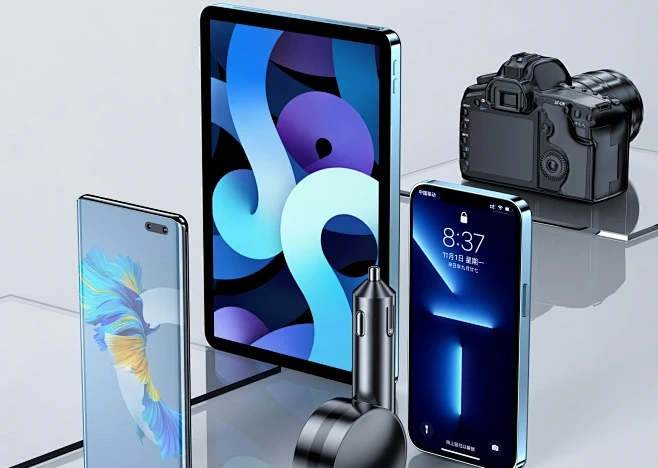
This is the most obvious one. Flagship smartphones from Apple, Samsung, and others have been using OLED for years. High-end TVs from LG, Sony, and Panasonic deliver cinema-quality experiences with OLED panels. Laptops and tablets are increasingly adopting OLED for creators and professionals who need accurate colors. Even gaming monitors are getting the OLED treatment, with Samsung recently launching the world’s first 500Hz OLED gaming monitor.

可穿戴设备

Smartwatches and fitness trackers are perfect for OLED. The small screen size, the need for always-on displays, and the importance of battery life all align with OLED’s strengths. Dark watch faces with bright elements look stunning and sip power efficiently.

汽车

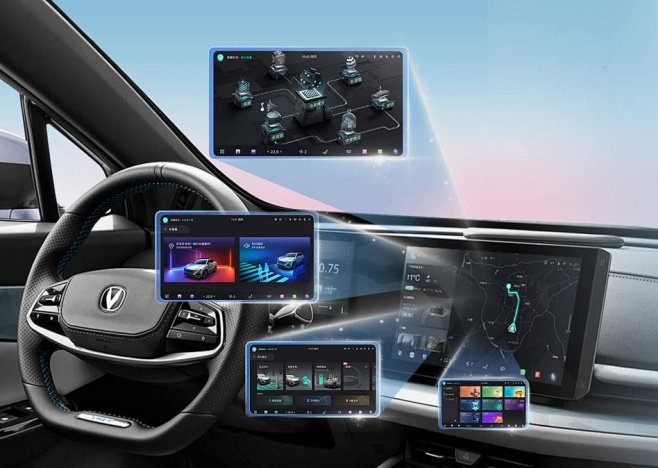
While high-brightness LCD still dominates commercial vehicle dashboards due to cost and durability concerns, OLED is making inroads in luxury EVs. Curved OLED panels can wrap around the dashboard, providing seamless, high-contrast interfaces. As the technology matures, expect to see more OLED in premium automotive displays.

信息娱乐系统
信息娱乐系统

医疗 设备

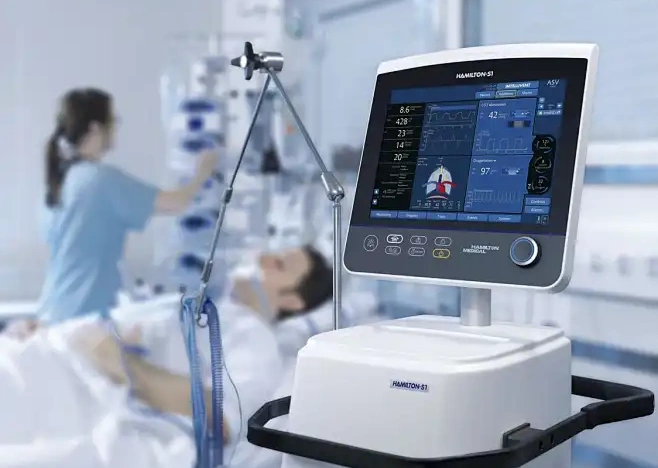
OLED’s high contrast and fast response make it ideal for medical monitors, diagnostic equipment, and portable medical devices. The ability to display subtle details with perfect clarity can literally be a matter of life and death in medical applications.

医疗器械显示解决方案

工业 and HMI (Human-Machine Interface)

Industrial control panels, handheld devices, and equipment interfaces benefit from OLED’s wide viewing angles and reliability. In environments where operators need to read displays from various positions, OLED’s consistent image quality is a major advantage.

工业人机界面
工业人机界面

AR/VR and Microdisplays

Silicon-based OLED (Si-OLED) microdisplays are critical for AR/VR headsets, electronic viewfinders, and military optics. These tiny, ultra-high-resolution displays are projected to grow from a $799 million market in 2024 to over $8.6 billion by 2034 — a staggering 41% annual growth rate.

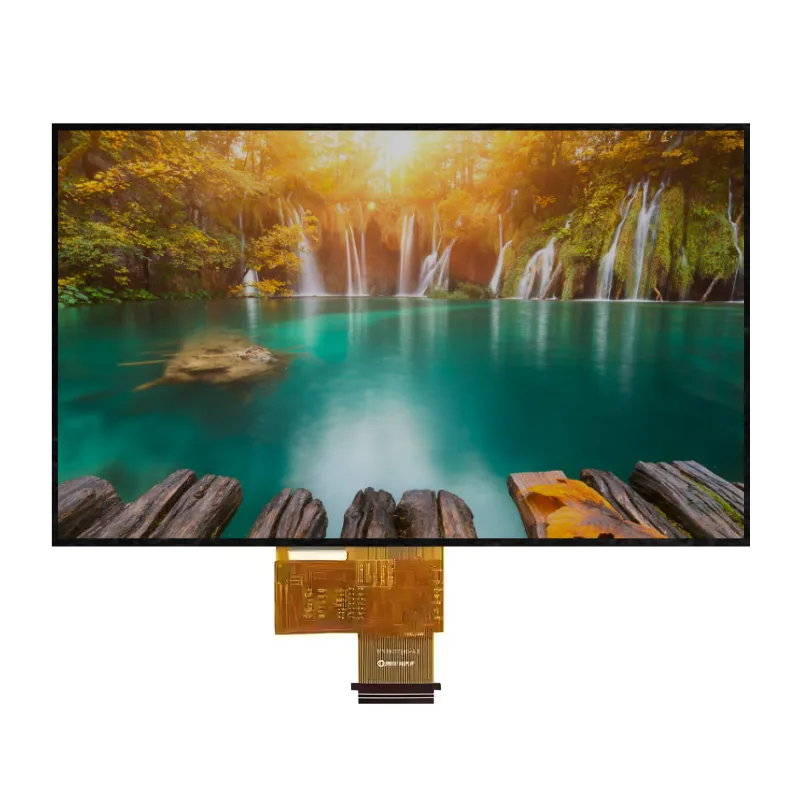
VR 显示屏
VR 显示屏

Smart Home and IoT

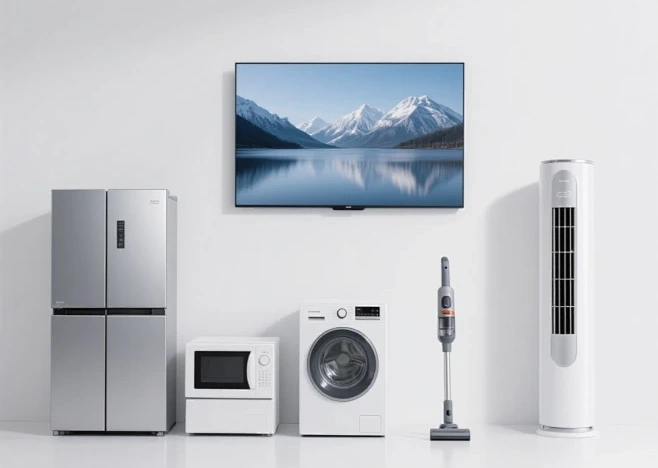
From smart thermostats to control panels on appliances, OLED’s ability to display crisp information on small, power-efficient screens makes it perfect for the Internet of Things.

智能家居互动显示解决方案

航空航天 and Defense

Military head-mounted displays, cockpit instruments, and rugged portable devices all leverage OLED for its reliability, wide temperature range, and excellent readability in various lighting conditions.

Jictech: 23 Years of OLED Display Expertise

If you’re looking for a reliable partner to source or customize OLED displays, Jictech deserves your attention. With 23 years of experience in the display industry, Jictech has built a reputation as a professional manufacturer and customizer of OLED display modules.

Jictech offers an impressive range of OLED products:

  • Screen Sizes: From compact 0.66″ displays up to 3.12″ and beyond, with support for non-standard sizes and flexible cutting
  • Resolutions: 64×48, 128×64, 128×128, 256×64, and custom aspect ratios
  • 显示颜色: Monochrome (white, blue, yellow), dual-color, zone-color, and full-color RGB options
  • 驱动器集成电路: SSD1306, SSD1315, CH1116, SH1107, SSD1309, SSD1327, SSD1322, and more
  • 接口: I²C, SPI, 8080/6800 parallel interface — matched to your host controller requirements
  • Voltage Options: 3.3V, 5V, and wide voltage input (2.8V–5.5V)
  • Form Factors: Rigid PCB, flexible FPC, ultra-thin modules, irregular cutting, and even transparent window designs
  • 附加功能: Integrated capacitive/resistive touch, ambient light sensors, and under-display components

Jictech’s OLED displays are used across wearables, medical instruments, industrial HMI, smart home devices, automotive secondary displays, and portable electronics. Whether you need a standard off-the-shelf module or a fully customized solution, their engineering team can help you get exactly what your project requires.

You can explore their full OLED display lineup at jiclcd.com/oled/.

常见问题(FAQ)

Q1: Is an OLED display really worth the extra cost compared to LCD?

It depends on your priorities. If you value image quality, true blacks, and vibrant colors, absolutely. For budget devices or applications where the screen is mostly static bright content, LCD might be the more practical choice. But for anything where visual experience matters — smartphones, TVs, gaming — OLED is worth every penny.

Q2: Does OLED burn-in still happen in 2026?

Burn-in is much less common on modern OLED panels than it was in early generations. Manufacturers have implemented pixel-shifting, screen refresh algorithms, and improved materials to minimize the risk. For typical consumer use with varied content, burn-in is rarely a concern. It can still occur with static elements displayed at high brightness for thousands of hours, so sensible usage habits help.

Q3: Why do flagship smartphones all use OLED displays now?

Because OLED delivers the premium experience consumers expect. True blacks, infinite contrast, vibrant colors, and thinner designs all contribute to a device that feels high-end. Apple switched to OLED starting with the iPhone 12, and every flagship since has used it. It’s no longer optional — it’s the standard for premium devices.

Q4: Which is better for battery life — OLED or LCD?

It depends on what you’re doing. OLED saves power when displaying dark content because black pixels are literally off. If you use dark mode and watch movies with dark scenes, OLED will last longer. However, for bright white webpages at maximum brightness, LCD can sometimes be more efficient. The real-world difference varies by usage pattern.

Q5: Can OLED displays be used in bright sunlight?

OLED displays typically peak at 600-800 nits, which is decent but not as bright as some high-brightness LCD panels that reach 1000+ nits. For outdoor readability, LCD still has an edge in direct sunlight. However, newer OLED panels are improving brightness, and for most indoor and shaded outdoor use, OLED performs beautifully.

最终想法

So, why is an OLED display better? In short: because it fundamentally reimagines how a screen produces light. By giving every pixel its own light source, OLED achieves true blacks, infinite contrast, vibrant colors, and lightning-fast response times that no backlight-based technology can match. It’s thinner, more flexible, and more energy-efficient for dark content.

That said, OLED isn’t perfect for every situation. LCD still wins on cost, maximum brightness, and freedom from burn-in concerns. QLED offers a middle ground with excellent brightness and color. But when it comes to pure visual quality and modern design flexibility, OLED is the clear champion.

Whether you’re a consumer choosing your next phone, a product designer selecting a display for your device, or a business looking for custom OLED modules, understanding these differences helps you make the right choice. And if you need a trusted partner with 23 years of experience in OLED display manufacturing, Jictech has the expertise and product range to meet your needs.

留下评论

您的邮箱地址不会被公开。 必填项已用 * 标注