






예, TFT 디스플레이 는 LCD(액정 디스플레이)의 일종입니다. 보다 구체적으로 TFT는 다음을 의미합니다. 박막 트랜지스터, 는 이미지 품질, 응답 시간 및 색 정확도를 개선하여 LCD의 성능을 향상시키는 데 사용되는 기술입니다. 모든 TFT 디스플레이가 LCD이기는 하지만 모든 LCD가 TFT-TFT는 최신 디스플레이 애플리케이션에서 더 발전되고 널리 채택된 변형입니다.
TFT LCD란 무엇인가요?
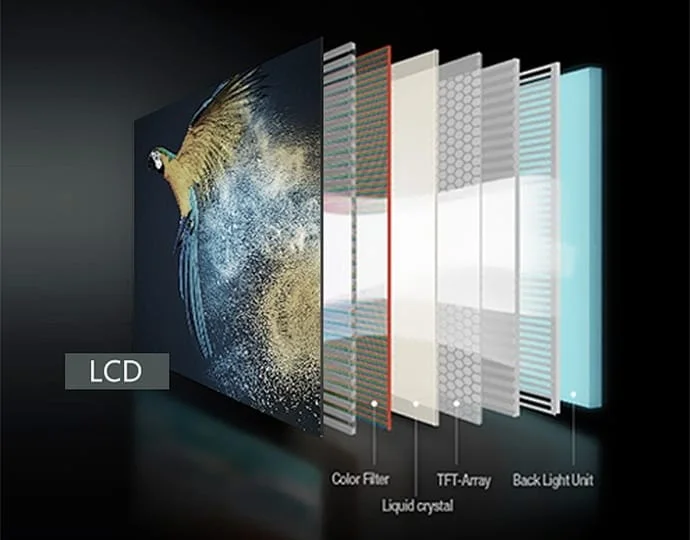
A TFT LCD (박막 트랜지스터 액정 디스플레이)는 박막 트랜지스터를 사용하여 화면의 개별 픽셀을 제어하는 평판 디스플레이 기술입니다. 전체 행과 열이 동시에 활성화되는 패시브 매트릭스 LCD와 달리 TFT LCD는 각 픽셀에 자체 트랜지스터가 있는 액티브 매트릭스 시스템을 사용하여 더 빠른 재생률, 더 나은 대비, 더 선명한 이미지를 구현할 수 있습니다.
핵심 구조는 다음과 같습니다:
- 트랜지스터 격자가 있는 유리 기판
- 빛을 변조하는 액정 레이어
- 백라이트(일반적으로 LED)
- 풀 컬러 이미지를 생성하는 컬러 필터
이 디자인은 소비자 가전과 산업 분야에 모두 적합한 고해상도, 반응성, 에너지 효율적인 디스플레이를 구현합니다.
TFT LCD는 어떻게 작동하나요?
TFT LCD는 액정을 통해 빛의 편광을 제어하는 원리를 기반으로 작동합니다. 다음은 간단한 분석입니다:
- 백라이트: LED 백라이트는 백색광을 방출합니다.
- 편광 필터: 빛이 편광 필터를 통과합니다.
- 액정: 트랜지스터의 전기 신호가 크리스탈을 비틀어 빛을 허용하거나 차단합니다.
- 컬러 필터: 빨간색, 녹색, 파란색 하위 픽셀이 결합되어 색상을 형성합니다.
- 두 번째 필터: 최종 편광으로 원하는 빛만 시청자에게 도달하도록 합니다.
각 픽셀은 자체 트랜지스터에 의해 독립적으로 제어되므로 정밀한 밝기 및 색상 관리가 가능합니다.
TFT와 다른 LCD 유형 비교: 비교 표
| 기능 | TFT LCD | 패시브 매트릭스 LCD | OLED(비교용) |
|---|---|---|---|
| 응답 시간 | 빠름(~1~5ms) | 느림(~10~50ms) | 매우 빠름(1ms 미만) |
| 명암비 | 높음(최대 1000:1) | 낮음(약 100:1) | 매우 높음(이론적으로 무한대) |
| 시야각 | 와이드(160° 이상), 다를 수 있음 | 좁음(60°-80°) | 우수(>170°) |
| 전력 소비량 | 보통, 백라이트에 따라 다름 | TFT보다 낮음 | 매우 낮음(특히 어두울 때) |
| 밝기 | 높음(최대 2500니트) | 제한적 | 높지만 번인 현상이 발생할 수 있음 |
| 내구성 | 좋음; 긴 수명 | 내구성 저하 | 습기 및 자외선에 민감함 |
| 비용 | 중간에서 높음 | 낮음 | 높음 |
TFT LCD는 성능, 비용, 신뢰성의 균형 잡힌 조합을 제공하므로 다양한 애플리케이션에 이상적입니다.
올바른 TFT LCD를 선택하는 방법은?
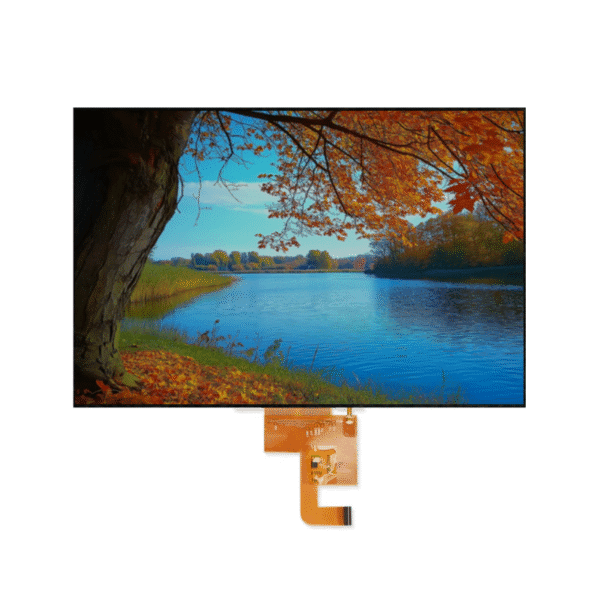
TFT LCD 모듈을 선택할 때는 다음과 같은 주요 매개 변수를 고려하세요:
- 화면 크기: 소형 웨어러블 스크린(0.85인치)부터 대형 산업용 패널(32인치)까지.
- 해상도: 일반적인 옵션으로는 128×128, 480×480, 1920×1080 등이 있으며, 선명도 요구 사항에 따라 선택합니다.
- 밝기: 실외에서는 1000-2500 니트를 목표로 하고, 실내에서는 200-600 니트만 필요할 수 있습니다.
- 인터페이스 유형: 호스트 시스템에 따라 SPI, MIPI, LVDS 또는 RGB.
- 터치 기능: 정전식 터치는 멀티터치 제스처를 지원하므로 사용자 상호 작용에 필수적입니다.
- 드라이버 IC 호환성: 필요한 경우 ST7735S, ILI9341 또는 맞춤형 IC와의 호환성을 보장합니다.
- 폼 팩터 및 구조: 공간 제약이 있는 환경을 위한 원형, 정사각형, 바형 또는 초박형 디자인.
예를 들어, 제이텍의 TFT LCD 모듈 는 이러한 모든 매개변수에 걸쳐 광범위한 사용자 지정 기능을 제공합니다. 이 제품 라인은 1.28인치, 5인치, 10.1인치, 심지어 32인치와 같은 비표준 크기와 함께 사용자 지정 가능한 해상도, 최대 2500니트의 밝기 수준, SPI, MIPI, LVDS를 포함한 여러 인터페이스 유형을 지원합니다. 또한 CST816D 및 GT911과 같은 다양한 터치 기술을 지원하며 웨어러블, 자동차 대시보드 또는 의료 기기에 통합할 수 있는 유연한 폼 팩터를 제공합니다.
🔍 아래에서 JICTECH의 파라미터 범위를 참조하세요:
| 매개변수 카테고리 | 구성 예시 | 설명 |
|---|---|---|
| 화면 크기 | 0.66인치, 0.85인치, 1.28인치, 1.8인치, 2.4인치, 3.5인치, 5인치, 7인치, 10.1인치, 21.5인치, 32인치, 65인치 등입니다. | 비표준 크기 사용 가능 |
| 해상도 | 128×128, 240×240, 480×480, 800×480, 1920×1080 등입니다. | 사용자 지정 해상도 지원 |
| 밝기 | 200니트, 400니트, 600니트, 1000니트, 2500니트 등입니다. | 고휘도, 저전력, 넓은 온도 옵션 |
| 인터페이스 유형 | SPI, RGB 18비트, MCU, MIPI, LVDS, EDP | 호스트 플랫폼에 따라 권장 |
| 터치 기능 | 노터치/정전식 터치(CST816D, GT911, FT 시리즈 등) | 멀티터치 및 제스처 인식 사용자 지정 |
| 시야각 | 모든 방향(ALL), 6시 방향, 12시 방향 | 장착 방향에 맞게 조정 |
| 드라이버 IC | ST7735S, ST7789 시리즈, ILI9341, ST7701S 등. | 메인스트림 드라이버와 호환, 맞춤형 IC 지원 |
| 폼 팩터 및 구조 | 원형, 정사각형, 바 타입, PCB 포함, 초박형 디자인 등이 있습니다. | 맞춤형 커팅, 베젤 디자인 및 기계적 조정 |
| 애플리케이션 시나리오 | 웨어러블 디바이스, 산업 제어, 자동차, 의료, 실외 디스플레이 등. | 시나리오에 최적화된 솔루션 |
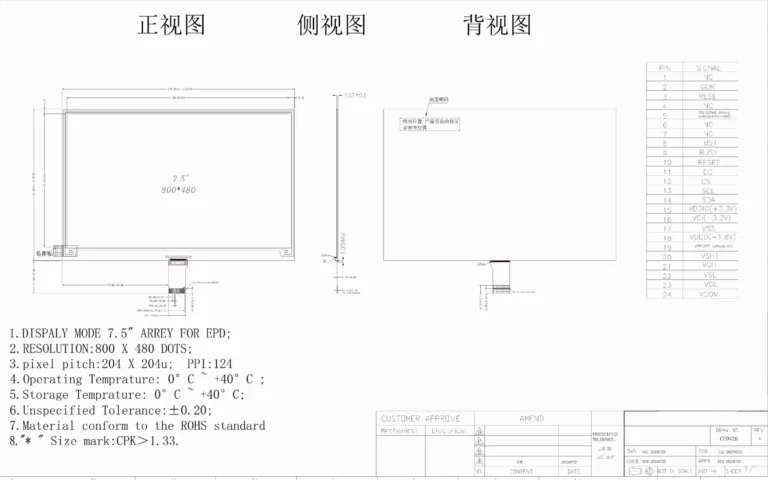
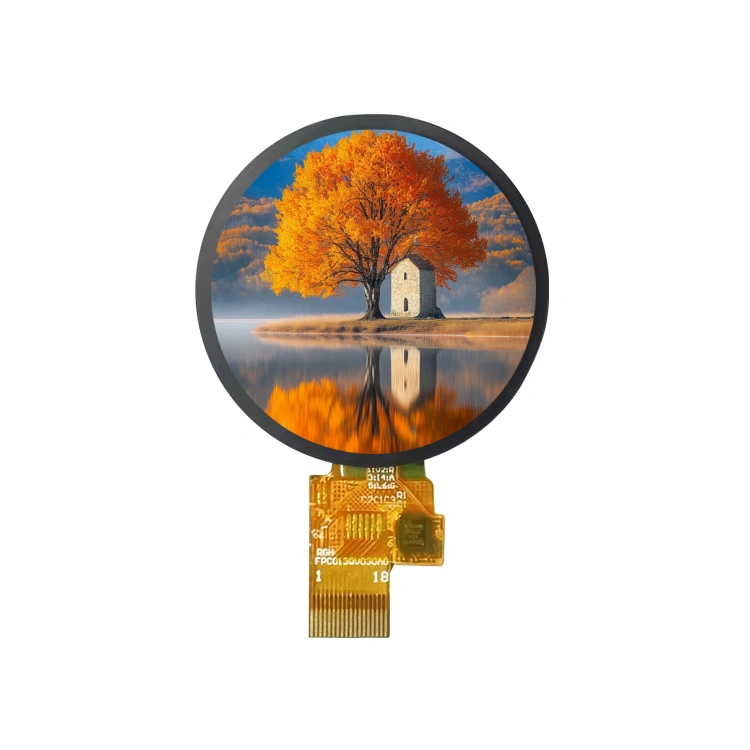
그림: JICTECH는 화면 크기, 해상도, 밝기, 인터페이스 및 애플리케이션 시나리오에 걸쳐 고도로 사용자 정의 가능한 TFT LCD 모듈을 제공합니다.
산업 전반의 애플리케이션
TFT LCD는 다목적이며 다양한 산업 분야에서 널리 사용되고 있습니다:
- 웨어러블 디바이스: 스마트워치와 피트니스 트래커는 저전력 및 컴팩트한 디자인이 장점입니다.
- 산업용 제어 패널: 넓은 온도 허용 범위와 높은 밝기를 갖춘 견고한 디스플레이.
- 자동차: 대시보드, 인포테인먼트 시스템 및 HUD에는 안정적이고 눈부심 방지 기능이 있는 화면이 필요합니다.
- 의료 장비: 환자 바이탈 모니터는 높은 정확도와 가독성을 요구합니다.
- 실외 디스플레이: 디지털 사이니지 및 키오스크에는 고휘도(≥1000니트) 및 눈부심 방지 코팅이 필요합니다.
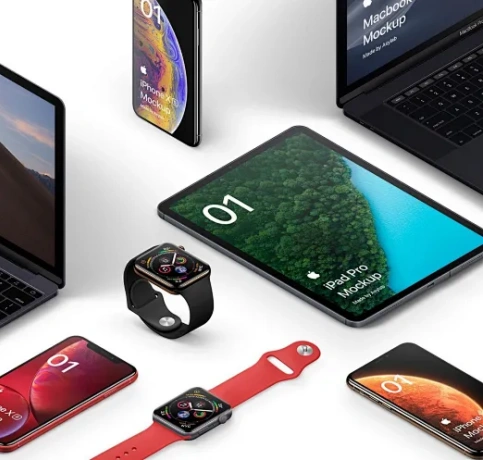
- 소비자 가전: 태블릿, 스마트폰, 노트북은 고해상도 TFT 패널을 사용합니다.
소형화와 내구성의 발전으로 TFT LCD는 비용 효율성과 견고한 성능이 중요한 시장을 계속 지배하고 있습니다.
TFT LCD 기술의 미래 동향
OLED와 마이크로LED가 주목을 받고 있지만, 성숙도, 확장성, 낮은 생산 비용으로 인해 TFT LCD가 여전히 지배적인 위치를 차지하고 있습니다. 향후 주요 트렌드는 다음과 같습니다:
- 더 높은 밝기 및 야외 가시성: 향상된 백라이트와 반사 방지 코팅으로 햇빛 아래에서도 가독성이 뛰어난 디스플레이.
- 유연한 곡선형 디자인: 소재의 발전으로 혁신적인 폼 팩터를 위한 구부릴 수 있는 TFT 패널이 가능해졌습니다.
- 저전력 솔루션: 최적화된 드라이버 IC와 로컬 디밍으로 에너지 소비를 줄입니다.
- AI와의 통합: 제스처 인식, 적응형 밝기, 내장 알고리즘으로 구동되는 스마트 보정.
- 규모에 맞는 사용자 지정: JICTECH와 같은 제조업체는 맞춤형 솔루션을 신속하게 프로토타이핑하고 대량 생산할 수 있습니다.
업계에서 더욱 전문화된 디스플레이를 요구함에 따라 TFT LCD는 더욱 뛰어난 적응성과 효율성으로 진화할 것입니다.
결론
요약하자면, 예, TFT 디스플레이는 LCD의 일종입니다., 하지만 기존의 패시브 매트릭스 LCD에 비해 크게 발전한 기술입니다. 액티브 매트릭스 아키텍처 덕분에 TFT LCD는 뛰어난 화질, 빠른 응답 시간, 광범위한 애플리케이션 잠재력을 제공합니다. 밝기, 인터페이스 유연성, 폼 팩터 디자인에서 지속적인 혁신을 거듭하고 있는 JICTECH와 같은 제조업체의 예에서 볼 수 있듯이 TFT LCD는 현대 디스플레이 기술의 초석으로 자리 잡고 있습니다. 웨어러블 기술, 자동차 인터페이스, 산업 제어 등 어떤 분야에서든 적합한 TFT LCD를 선택하려면 해상도, 밝기, 터치 기능, 환경 요건 간의 균형을 맞춰야 합니다.
자주 묻는 질문(FAQ)
Q1: TFT는 LCD와 동일한가요?
A: 정확히는 아닙니다. 모든 TFT 디스플레이는 LCD이지만 모든 LCD가 TFT인 것은 아닙니다. TFT는 각 픽셀에 박막 트랜지스터를 사용하는 특정 유형의 LCD를 말하며 패시브 매트릭스 LCD보다 더 나은 성능을 제공합니다.
Q2: 실외에서 TFT LCD를 사용할 수 있나요?
A: 예, 특히 고휘도(1000-2500니트) 및 눈부심 방지 코팅이 적용된 모델입니다. JICTECH를 포함한 많은 제조업체에서 실외용 TFT 모듈을 제공합니다.
Q3: TFT LCD에 어떤 인터페이스를 선택해야 하나요?
A: 호스트 시스템에 따라 다릅니다. SPI는 단순하고 저속이며, MIPI는 모바일 장치에 이상적이며, LVDS와 RGB는 대형 패널에서 일반적으로 사용됩니다. 사용 중인 프로세서와의 호환성을 확인하세요.
Q4: TFT LCD는 터치를 지원하나요?
A: 예, 대부분의 최신 TFT LCD는 정전식 터치를 지원하므로(예: CST816D, GT911) 멀티터치 및 제스처 인식이 가능합니다.
Q5: TFT LCD가 OLED보다 나은가요?
A: 필요에 따라 다릅니다. OLED는 더 깊은 블랙과 더 얇은 프로파일을 제공하지만, TFT LCD는 내구성이 뛰어나고 번인 현상이 적으며 일반적으로 더 저렴하기 때문에 산업 및 실외용 애플리케이션에 더 선호됩니다.