





「直接回答ブロック」
エレクトロニクスおよびテクノロジー業界では、, 薄膜トランジスタ を表す。 薄膜トランジスタ. 。これは、アクティブマトリックスを用いて個々の画素を制御し、優れた画質を実現する、液晶ディスプレイ(LCD)技術の高度なバリエーションです。 「TFTとは何ですか?」や「TFTディスプレイとは?」と疑問に思ったことがある方へ――このガイドでは、IPSやOLEDとの比較を含め、分かりやすく完全な解説を提供します。.
1. TFTディスプレイとは? 定義と変遷
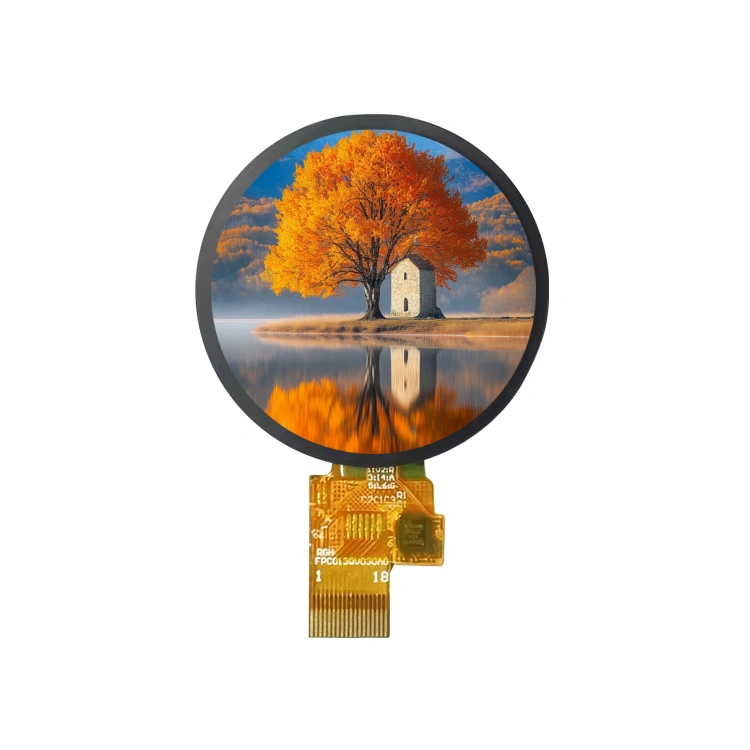
理解するために TFT LCD 意味, …では、まずディスプレイがどのように進化してきたのかを見ていく必要があります。TFTディスプレイとは、各ピクセルが1つから4つのトランジスタによって制御されるLCDの一種です。これらのトランジスタは、ガラス基板上に直接微細な層として形成されるため、「薄膜」と呼ばれます。.
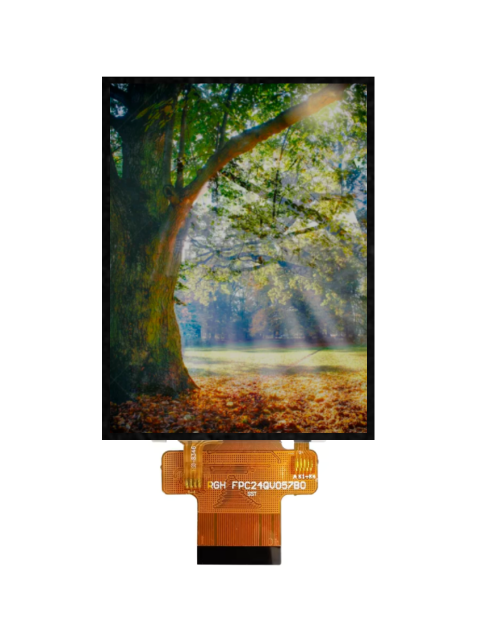
頭字語の解説:薄膜トランジスタ
この用語を詳しく見ていきましょう:
- 薄膜:トランジスタは、ガラス基板上に半導体材料(通常はアモルファスシリコンまたはポリシリコン)の極めて薄い層を堆積させることで作られます。各層の厚さはわずか数マイクロメートルで、人間の髪の毛よりも薄いのです。.
- トランジスタ:トランジスタは、微小な電子スイッチや増幅器として機能します。TFTディスプレイでは、各トランジスタが割り当てられた画素を1秒間に数千回オンまたはオフに切り替えることで、通過する光の量を正確に制御しています。.
というわけで、, TFTディスプレイとは何か わかりやすく言うと?これは、何百万もの微小なトランジスタがそれぞれの色のドット(ピクセル)を個別に制御し、鮮明で動きの速い映像を作り出すフラットパネルディスプレイです。.
パッシブマトリックスからアクティブマトリックスへ
TFT技術が登場する前は、ほとんどの液晶ディスプレイは 受動マトリックス (例:CSTNやDSTNなど)。パッシブマトリクスでは、電極の行と列がピクセルの制御を分担していた。そのため、応答速度が遅く、ゴースト現象(動く物体のぼやけ)やコントラストの低さといった問題が生じていた。.
TFTは アクティブマトリクス アプローチ。その主な違いは次のとおりです:
- パッシブ・マトリックス – ピクセルは1行ずつ更新されます。行間の電圧降下がクロストークやボケの原因となります。.
- アクティブマトリックス(TFT) – 各ピクセルには専用のトランジスタが1つ以上備わっているため、リフレッシュサイクルの間も電荷を保持できます。これにより、鮮明で安定した画像と高速なリフレッシュレートが実現されます。.
パッシブマトリックスからアクティブマトリックスへの移行は、まさに革命的な出来事でした。これにより、ノートパソコンの画面やフラットパネルモニター、そして最終的にはスマートフォンが実用的かつ使い心地の良いものとなりました。.
2. TFT技術はどのように機能するのか?(技術的な解説)
完全に理解するためには TFTディスプレイ技術, それでは、一般的なTFT液晶パネルの内部を見てみましょう。このディスプレイは、複数の機能層からなる精密なサンドイッチ構造になっています。.
TFT液晶ディスプレイの層構造
標準的なTFT-LCDは、背面から前面に向かって、以下の構成となっています:
- バックライト – 通常、白色光を放出するLEDやCCFLチューブの配列。.
- リア・ポラライザー – バックライトから届く光の波を揃えます。.
- TFTガラス基板 – 格子状に配置された何百万もの薄膜トランジスタで覆われたガラス基板。.
- 液晶層 – 電場が印加されるとねじれたり、ねじれが解けたりする棒状の分子。.
- カラーフィルター基板 – 赤、緑、青(RGB)のカラーフィルターがサブピクセルパターンで配置されたガラス板。.
- フロント・ポラライザー – リア偏光板と連動し、液晶のねじれ状態に応じて光を遮断または透過させます。.
TFT基板とカラーフィルターの間には、透明な共通電極も配置されています。TFT基板上のトランジスタが、液晶の各微小セルにかかる電圧を制御します。.
トランジスタが光と色を制御する仕組み
手順は以下の通りです:
- ステップ1 – ピクセルの選択: ディスプレイドライバは、特定のトランジスタの列に信号を送り、それらを「オン」にします。“
- ステップ2 – 電圧印加: トランジスタのソース線に正確な電圧が印加され、その画素に対応する液晶セルに電荷が供給される。.
- ステップ3 – クリスタルツイスト: 液晶分子は誘電体であり、異方性を持っています。電圧がかかると、分子は物理的にねじれます。電圧が高ければ高いほど、ねじれも大きくなります。.
- ステップ4 – 光の変調: ねじれた結晶は、通過する光の偏光方向を変えます。その後、前面の偏光板が、ねじれの角度に応じて光の量を調節して遮断します。.
- ステップ5 – 色の作成: 1つのピクセルは、実際には3つのサブピクセル(赤、緑、青)で構成されています。各サブピクセルへの電圧を個別に制御することで、ディスプレイは色を混ぜ合わせ、数百万色もの色合いを表現します。.
各トランジスタが(蓄積コンデンサのおかげで)その画素の電圧を維持するため、リフレッシュサイクルの間も画像は安定して表示されます。このアクティブマトリクス方式により、従来のパッシブ型LCDに見られたちらつきやぼやけが解消されています。.
3. TFTディスプレイの主な長所と短所
他の技術と同様、TFT液晶ディスプレイにも長所と短所があります。これらを理解しておくことで、用途に合ったディスプレイを選ぶことができます。.
TFTディスプレイのメリット
- 鮮明な画質と高速な応答速度: TFTディスプレイは、画素単位での制御性に優れており、鮮明な文字やグラフィックを表示します。応答時間は、従来型で5~25ミリ秒、最新型で1~5ミリ秒と短く、これによりモーションブラーやゴースト現象が大幅に軽減されます。そのため、コンピュータ用モニターや産業用HMI、さらには一部のゲーミングディスプレイにも最適です。.
- 成熟した製造技術と低コスト:TFTの製造技術は極めて高度に洗練されています。年間数十億台が生産されており、これによりコストが低下しています。大規模な産業用、自動車用、および民生用アプリケーションにおいて、TFTは他を圧倒するコストパフォーマンスを実現しています。.
- 高輝度かつ高コントラスト: TFT液晶ディスプレイは高輝度のバックライトと組み合わせることで、直射日光の下でも視認性を確保できます(自動車のダッシュボードや屋外のキオスクなどでよく見られます)。高品質なパネルでは、コントラスト比1000:1以上が標準となっています。.
- 長い寿命: 適切に駆動されたTFT液晶ディスプレイは、著しい劣化が見られずに5万時間以上も使用可能です。これは多くのOLEDディスプレイよりも長い寿命です。.
TFTディスプレイのデメリット
- 視野角が狭い: 従来のTN(ツイステッドネマティック)方式のTFTパネルは、斜めから見た際に色の反転やコントラストの変化が生じやすいという欠点があります。IPS(TFTの一種)ではこの問題が解消されていますが、標準的なTFT画面には正面に「最適な視野角」があります。軸から30~40度ずれると、色が薄くなったり反転したりします。.
- 電力効率: TFT液晶ディスプレイは、常にバックライトを点灯させる必要があります。黒のピクセルを表示しているときでも、バックライトは点灯したままです。液晶分子がねじれて光を遮断しているだけなのです。つまり、黒のピクセルが完全に消灯するOLEDとは異なり、常に電力が消費されます。そのため、バッテリー駆動のデバイスにおいては、一般的にTFTの方が電力効率が劣ります。.
- ブラック・レベル: バックライトの光は常に多少漏れ出るため、TFT液晶ディスプレイでは完全な黒を再現することができません。特に暗い部屋では、黒が濃い灰色に見えてしまいます。.
- 極端な気温下での反応速度の低下: 液晶は極寒の環境では反応が鈍くなり、極端な高温下では劣化することがあります。これは先進的な材料によって改善されつつありますが、屋外での産業用途においては依然として考慮すべき点です。.
4. TFT、IPS、OLED:実際の違いは何か?
最も検索されているトピックの一つは TFT対IPS. 多くの人は、これらがまったく異なる技術だと思っていますが、それはよくある誤解です。ここで明確にしておきましょう。.
TFT LCD 対 IPS(In-Plane Switching)
IPSはTFTディスプレイの一種です。.
「TFT」とは、アクティブマトリックス駆動方式(薄膜トランジスタ)を指します。IPS(In-Plane Switching)は、TFTセル内の液晶の配向を特定の方向に整えることで、視野角と色再現性を向上させる技術です。.
- 従来のTFT (一般にTNまたはツイステッドネマティックと呼ばれる):結晶が垂直方向にねじれている。応答速度が速く、低コストだが、視野角が狭い。.
- IPS: 結晶はガラスの平面内で水平方向に回転します。これにより、広い視野角(最大178°)と正確な色再現が得られますが、応答速度はやや遅く、コストも高くなります。.
そこで、誰かが「“TFT対IPS,」という問いに対する技術的に正しい答えは、IPSはTFTディスプレイの一種であり、より高性能なタイプであるということです。すべてのIPSディスプレイはTFTディスプレイですが、すべてのTFTディスプレイがIPSであるわけではありません。実際には、TN-TFTとIPS-TFTの比較となります。.
TFT LCD 対 OLED(有機EL)
有機EL は、どのTFT液晶ディスプレイとも根本的に異なります。.
| 特徴 | TFT LCD | 有機EL |
|---|---|---|
| 光源 | バックライト(LEDまたはCCFL) | 自発光型(各ピクセルが独自の光を放つ) |
| 黒レベル | ダークグレー(光漏れ) | 真の黒(ピクセルがオフになる) |
| コントラスト比 | 1000:1 ~ 5000:1(標準) | 無限(理論上) |
| 視野角 | IPSは良いが、TNは悪い | 優秀(最大180°) |
| 応答時間 | 1~5ミリ秒(高速) | 0.1ミリ秒未満(極めて高速) |
| バーンインリスク | なし | 静止画であれば可能です |
| 寿命 | 5万~10万時間 | 青色の画素は劣化が早い(輝度が半減するまで約3万時間) |
| コスト | 低~中程度 | 高価(特に大サイズの場合) |
どちらが良いでしょうか?
- 低価格なデバイスや産業用途、あるいは長時間静止画を表示する必要がある用途(医療用モニターやATMなど)においては、TFT液晶ディスプレイが優れています。.
- 完璧な黒の表現と高速な応答速度が求められるプレミアムスマートフォン、ハイエンドテレビ、そしてゲームにおいては、OLEDが優れています。.
技術比較表
| 属性 | TN TFT | IPS TFT | 有機EL |
|---|---|---|---|
| 行列の種類 | アクティブ(TFT) | アクティブ(TFT) | アクティブ型(TFTバックプレーンが一般的に使用される) |
| 色の精度 | 中程度 | 素晴らしい | 素晴らしい |
| 視野角 | 悪い(約140°) | 良好(約178°) | エクセレント(~180) |
| 応答時間(GtG) | 1~5ミリ秒 | 4~8ミリ秒 | <0.1ミリ秒 |
| 消費電力(暗い画像) | 高(バックライト常時点灯) | 高い | 低(点灯しているピクセルのみ) |
| 消費電力(明るい画像) | 中程度 | 中程度 | 高い(ピクセルごとの電力が累積する) |
| 1インチあたりのコスト | 低い | 中程度 | 高い |
5. 現在のTFTディスプレイの主な用途
TFT技術は汎用性が高く、信頼性があり、コストパフォーマンスに優れているため、さまざまな業界の無数のデバイスに採用されています。.
自動車用ディスプレイ
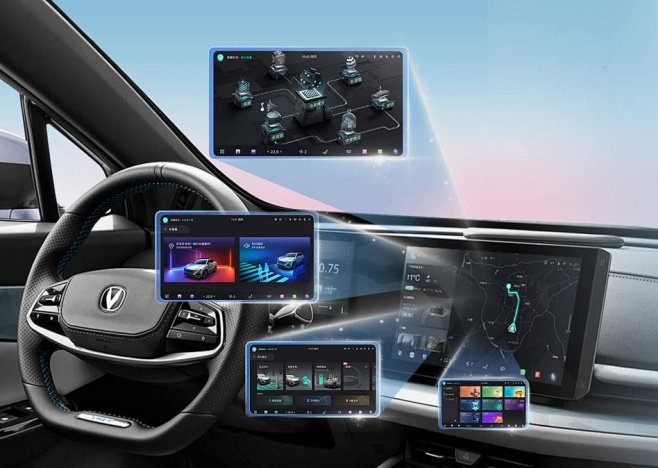
現代の自動車にはTFTディスプレイが数多く搭載されています:
- デジタルメーターパネル – 高解像度TFTパネルがアナログメーターに取って代わり、カスタマイズ可能なレイアウトとリアルタイムデータを提供します。.
- センターコンソールのインフォテインメントシステム – ナビゲーション、メディア、空調、および車両設定用のタッチスクリーン式TFTディスプレイ。.
- ヘッドアップディスプレイ(HUD) – フロントガラスに情報を投影する小型TFTプロジェクター。.
- リアシート・エンターテイメント – ヘッドレストに組み込まれたスクリーン、または天井に取り付けられたスクリーン。.
自動車用TFTは、-40°Cから+85°Cの温度範囲で動作し、振動にも耐えられるように設計されているため、民生用モニターよりもはるかに堅牢です。.
インダストリアル & メディカル 設備
- 操作パネル FA(ファクトリーオートメーション)、CNC工作機械、ロボット工学向け――抵抗膜方式または静電容量方式のタッチパネルを搭載し、防塵・防湿性能(IP規格)を備えたTFTディスプレイ。.
- 海上航行 – 船のブリッジで直射日光の下でも視認性を確保できる高輝度TFTディスプレイ。.
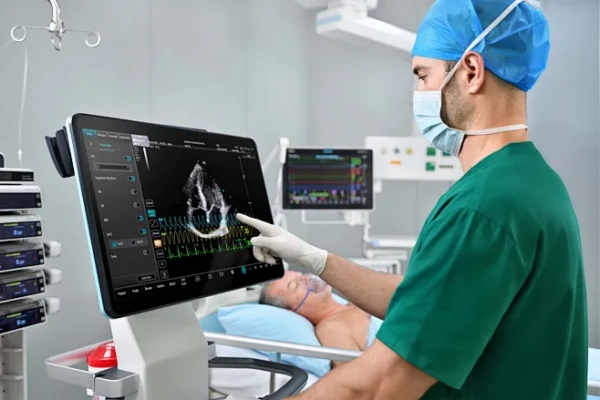
- 患者モニター – 高コントラスト、フリッカーフリー、長寿命を特徴とする医療用TFT。数時間から数日にわたり同じバイタルサインの波形を表示し続けても焼き付きが発生しないため、患者モニターにはOLEDよりも好んで採用されています。.
- POS端末 – 小売店やホスピタリティ業界で採用されている、耐久性に優れ、お手入れが簡単なTFTタッチスクリーン。.
コンシューマー・エレクトロニクス
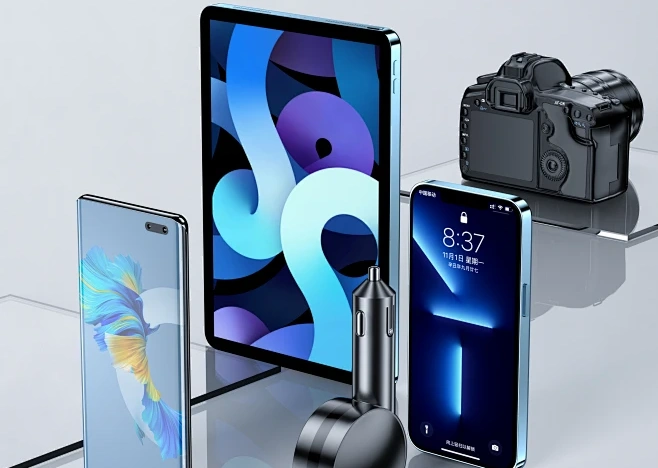
- スマートホームハブ (例:Amazon Echo Show、Google Nest Hub) – 照明、サーモスタット、カメラを操作するための中型TFTタッチスクリーン。.
- 低価格スマートフォン – 多くの低価格Androidスマートフォンは、手頃な価格を維持しつつ、十分な発色と視野角を確保するため、依然としてTFT液晶パネル(多くの場合IPS-TFT)を採用しています。.
- オフィス用モニター – 職場では数百万台ものTNおよびIPS方式のTFTモニターが使用されており、手頃な価格でスプレッドシートや文書を鮮明に表示しています。.
- 携帯型ゲーム機 – Nintendo SwitchはTFT液晶ディスプレイを採用しています。Switch OLEDモデルはOLEDにアップグレードされましたが、標準モデルのSwitchは依然として人気のTFTデバイスです。.
- デジタルカメラ – 背面ファインダーと設定用トップ液晶パネル。.
その他の主な用途
- 航空電子機器 – 航空機のコックピットディスプレイには、高い信頼性、日光下での視認性、および高度変化への耐性が求められます。この分野ではTFT液晶ディスプレイが主流となっています。.
- 医療用画像診断 – X線、MRI、超音波診断用モニターには、正確な階調表現を実現するため、ハイエンドのIPS-TFTパネルが採用されることが多い。.
- スマート家電 – インタラクティブなTFT画面を搭載した冷蔵庫、洗濯機、オーブンが一般的になりつつある。.
結論:現代社会におけるTFTの未来
OLED、MicroLED、QD-OLEDの台頭を受けて、次のような疑問を抱くかもしれません: TFT技術は時代遅れなのでしょうか? 答えは「いいえ」です――とんでもない話です。.
TFTディスプレイは進化を続けています:
- LTPS TFT (低温ポリシリコン)は、より高い解像度と高速な応答性を実現し、多くの最新スマートフォンに採用されています。.
- IGZO TFT (酸化インジウム・ガリウム・亜鉛)は、極めて低いリーク電流を実現し、120Hz以上のリフレッシュレートや、省エネ型の常時表示ディスプレイを可能にします。.
- Mini-LEDバックライト 数千ものローカルディミングゾーンを備えることで、TFT LCDとOLEDのコントラスト差を埋めている。.
- 2セルTFT液晶ディスプレイ (「デュアルLCD」または「Hisense ULED X」とも呼ばれる)この技術は、2枚のTFTパネルを重ね合わせることで、OLEDに迫るコントラストを実現している。.
TFTがディスプレイ業界の基幹技術であり続けているのは、それが 成熟しており、拡張性が高く、信頼性が高い. $50のスマートウォッチから$50,000の医療用モニターまで、15年間の耐久性が求められる自動車用計器盤から24時間365日稼働する産業用パネルに至るまで、TFTはその信頼性が実証された主力製品です。.
高級家電(スマートフォンやハイエンドテレビ)の分野ではOLEDが主流となっている一方、TFT LCD(特にIPS方式)は、今後数十年にわたり、モニター、自動車、産業用、医療用、および低価格帯のデバイスにおいて引き続き主流であり続けるでしょう。.
だから、次に鮮明で明るい画面を見て、ふと “「TFTとはどういう意味ですか?」” – 覚えておいてください。その画像を1ピクセルずつ実現したのは、薄膜トランジスタなのです。.