








はじめに
気温45℃の工場に立っているとします。壁に取り付けられた設備モニターは、数週間もちらつき続けています。天井の照明のまぶしさのせいで、画面はほとんど読み取れません。あるいは、誰かがドアを開けるたびに監視装置の液晶画面が曇ってしまう冷蔵倉庫を管理しているのかもしれません。.
IIoTシステムはデータを収集し、送信しています。しかし、そのデータを、工場現場や現場で実際に確認する必要がある人々に表示するという点になると、ディスプレイこそが最大の弱点となっています。.
その理由と、電子ペーパーがこの問題を静かに解決しつつある理由について解説します。.
誰も口にしないディスプレイの問題
産業用IoTの導入は急速に拡大しています。産業用IoTディスプレイ市場は、2025年に約$1.31億と評価され、2032年までに$3.26億に達すると予測されており、年平均成長率は14%近くに達する見込みです。.
しかし、問題なのは、そうしたディスプレイのほとんどが、それを意図的に破壊しようとする環境に設置されているという点だ。.
高温。極寒。粉塵。振動。湿気。そして多くの場合、安定した商用電源へのアクセスがない。.
実験台の上では完璧に動作する装置でも、実際の産業現場では数週間も経たないうちに故障してしまうことがあります。それは電子部品に問題があるからではありません。そのディスプレイが、設置される環境に合わせて設計されていなかったからです。.
センサーは堅牢に作られています。無線モジュールも耐環境性に優れています。しかし、ディスプレイ――つまり、人々が実際に目を向ける唯一の部品――は、多くの場合、システムの中で最も壊れやすい部分なのです。.
従来のディスプレイにはどのような問題があるのか
液晶ディスプレイ
LCDにはバックライトが必要です。バックライトには、継続的に電力が供給されなければなりません。バッテリー駆動のIIoTノードでは、これが問題となります。1台のLCDだけで、バッテリーは数年どころか、数週間から数ヶ月で消耗してしまう可能性があります。.
明るい日差しの下では、液晶ディスプレイの表示が薄くなってしまいます。皆さんもこうした経験があるでしょう。屋外で画面を凝視し、せめて表示されている文字が読めればいいのに、と思ったことがあるはずです。直射日光の下でも液晶ディスプレイの表示を鮮明に見せるには、高輝度のバックライトが必要です。つまり、消費電力が増え、発熱量も増え、バッテリーの持ちが悪くなるということです。.
低温になると、液晶ディスプレイの反応が遅くなります。液晶は低温を嫌うからです。冷凍庫や冷蔵倉庫では、表示がもたつきます。湿度の高い環境では、液晶ディスプレイに曇りが生じます。.
また、液晶ディスプレイは壊れやすいものです。振動によってガラス基板にひびが入ることがあります。重機や車両にディスプレイを取り付ける場合、これは現実的なリスクとなります。.
OLED
OLEDには独自の課題があります。有機材料を使用しているため、時間の経過とともに劣化します。ディスプレイが数ヶ月間同じ静止画を表示し続けるような産業用途では、焼き付きがほぼ確実に見込まれます。.
高温はOLEDの劣化を早めます。夏場に高温の工場内や屋外の機器にOLEDを設置すると、その寿命は劇的に短くなります。.
直射日光下での視認性? LCDと同じ問題があります。OLEDは発光型であり、自ら光を発生させます。明るい直射日光の下では、その光が周囲の光に埋もれてしまいます。.
電子ペーパーの特長
電力が極めて低く、ほぼゼロに近い
電子ペーパーは双安定性を持っています。一度画像が表示されると、電源が切れてもその状態が維持されます。ディスプレイが電力を消費するのは、表示内容が変更される時だけです。.
これが、IIoTの導入における最大の利点です。電子ペーパーディスプレイは、機器に取り付けたまま数ヶ月間、ステータス情報を表示し続け、消費電力はほぼゼロです。.
Ynvisible社の電子ペーパーディスプレイの消費電力はわずか1.67 µW/cm²です。また、反射型であるため、透過型ディスプレイに比べて消費電力が少なくとも10分の1です。これは決して小さな差ではありません。これは、電池を毎月交換する必要があるか、数年に1回で済むかという違いに他なりません。.
バッテリー駆動やエネルギーハーベスティング方式のデバイスにとって、電子ペーパーは画期的な技術です。一部の電子ペーパーモジュールは消費電力が極めて低いため、NFCリーダーからのRFエネルギーや、さらには周囲の光といった、ハーベスティングされたエネルギーだけで完全に駆動することが可能です。.
耐温度性
産業用電子ペーパーモジュールは、過酷な環境下での使用に耐えるよう設計されています。.
広温度範囲対応の電子ペーパーディスプレイは、-20°C~+60°Cの範囲で動作し、-25°C~+70°Cの範囲で保管可能です。一部の製品では、この範囲をさらに広げているものもあります。 Avalue社のEPD-4200-B1は、-15°C~+65°Cの範囲で動作します。Papercast社の屋外用ディスプレイは、-20°C~+70°Cの範囲で動作します。.
Ynvisibleのディスプレイは、-20°Cから60°Cの範囲で正確に動作し、LCDが曇ったり故障したりする冷蔵物流環境においても、安定した性能を発揮します。.
これは重要な点です。冷凍倉庫の温度は-20°Cです。一方、夏の工場の作業現場では60°Cに達することもあります。電子ペーパーは、どちらの環境でも正常に動作します。.
日光可読性
電子ペーパーは反射型です。紙と同じように、周囲の光を利用して画像を表示します。.
直射日光の下では、電子ペーパーの視認性が向上します。光が明るいほど、ディスプレイに反射する光が増え、読みやすくなります。これは、LCDやOLEDの場合とは正反対の現象です。.
まぶしさなし。色あせなし。目を細める必要なし。.
頑丈な耐久性
産業用電子ペーパーモジュールには、高度な保護機能を備えた製品が用意されています。現在では、IP65規格に準拠した電子ペーパーディスプレイが一般的となっており、防塵性があり、水噴射にも耐えるよう設計されています。爆発防止仕様のガラスカバーを備えた製品もあります。また、耐衝撃性においてIK08規格に準拠した製品もあります。.
また、電子ペーパーはガラスではなく柔軟なプラスチック基板上で製造できるため、本質的に衝撃や振動に対する耐性が高い。.
IIoTにおいてE-Paperがすでに活用されている分野
設備の状態監視
電子ペーパーディスプレイを採用したメンテナンスタイマーは、従来のアナログ式メンテナンスステッカーに取って代わることができます。次回の定期メンテナンス予定日、現在の稼働時間、あるいはサービス状況などを、機器本体に直接表示します。.
Ynvisible社は最近、世界的な産業分野のリーディングカンパニーに対し、1万台以上の電子ペーパー式メンテナンスインジケーターを納入し、さらに3万台の追加注文を獲得しました。各インジケーターは、リアルタイムでプログラム可能なメンテナンス追跡機能を提供します。.
そのメリットは明らかです。保守担当者は一目で状況を確認できます。スキャンも、スマホの確認も、書類作業も不要です。.
予知保全
機器がIIoTプラットフォームに接続されると、データが絶え間なく流れ込んできます。振動。温度。稼働時間。しかし、そのデータはクラウドやサーバー上に保存されています。.
E-paperはそれを機器に戻します。.
電子ペーパーディスプレイを搭載したBLEタグは、在庫状況、直近の校正日、およびRTLSプラットフォームから取得したその他のリアルタイムデータを表示できます。現場の作業員は、システム内の情報とまったく同じ内容を、必要な場所で即座に確認できます。.
これにより、デジタル世界と現実世界の隔たりが埋まります。データはクラウド上に存在し、ディスプレイを通じて工場の現場で可視化されます。.
コールドチェーンおよび環境モニタリング
温度管理が必要なサプライチェーンでは、あらゆる段階での可視化が不可欠です。医薬品、診断薬、食品の物流など、製品は厳格な温度範囲内に保たれなければなりません。.
電子ペーパーラベルは、現在の温度、温度逸脱の記録、および有効期限をパッケージ上に直接表示することができます。作業員は、密封された梱包を開封したり、追加のスキャン機器を使用したりすることなく、重要な出荷情報を確認することができます。.
低温・高湿の環境下で曇りがちになるLCD画面に比べ、電子ペーパーは冷蔵物流の全工程を通じて安定した性能を発揮します。.
化学物質および有害物質のモニタリング
化学プラントや危険物の貯蔵施設では、安全が最優先事項です。電子ペーパーディスプレイは、ガス漏れ、温度変化、有効期限の閾値といった環境要因に反応し、動的な視覚的警告を表示することができます。.
電源配線はありません。電気火花による爆発の危険性もありません。状況の変化に応じて表示が更新される、単なるパッシブディスプレイです。.
生産ラインの仕掛品タグ
Ynvisible社の超低消費電力電子ペーパーディスプレイは、現代の製造環境において、インテリジェントなリアルタイムの状態表示を実現します。生産ワークフローにシームレスに統合され、製品の検証や品質管理(QC)の状況について、明確な視覚的フィードバックを提供します。.
作業員たちは、何が建設されているのか、次に何が行われるのか、そして全体としてどのような方向に向かっているのか――これらすべてを、コンピューターの画面を確認することなく把握しています。.
安全・危険標識
従来の安全標識は静的なものです。印刷して掲示し、状況が変われば、また新しいものを印刷します。あるいは、LCDやLEDの表示板を使用することもありますが、それには電源や配線が必要です。.
電子ペーパー製の安全標識は、遠隔で更新が可能です。「このエリアは安全です」「火気作業中」「閉鎖空間への立ち入りが許可されています」といったメッセージは、状況の変化に応じて自動的に更新されるため、紙の標識を交換するために人を派遣する必要がありません。.
大局的な視点:IIoTノードとしての電子ペーパー
電子ペーパーは単なるディスプレイではありません。IIoTネットワークにおけるノードなのです。.
最新の電子ペーパーモジュールは、LoRa、BLE、Wi-Fi、Zigbee、およびNB-IoTに対応しています。これらを中央プラットフォームから一元管理でき、数百台から数千台のディスプレイに同時にコンテンツを配信することが可能です。.
一部のシステムでは、REST API によるクラウド管理機能を提供しており、ERP、MES、WMS システムとの連携が可能です。これにより、ディスプレイは単体のデバイスではなく、データエコシステムの一部となります。.
例えば、Pervasive Displays社の3.4インチモジュールは、HVACシステム、サーモスタット、HMI、タッチ対応デバイス、ハンドヘルドツール、医療機器、およびインダストリー4.0ソリューション向けに設計されています。動作温度範囲は-20°C~+60°Cで、超低消費電力を実現しています。.
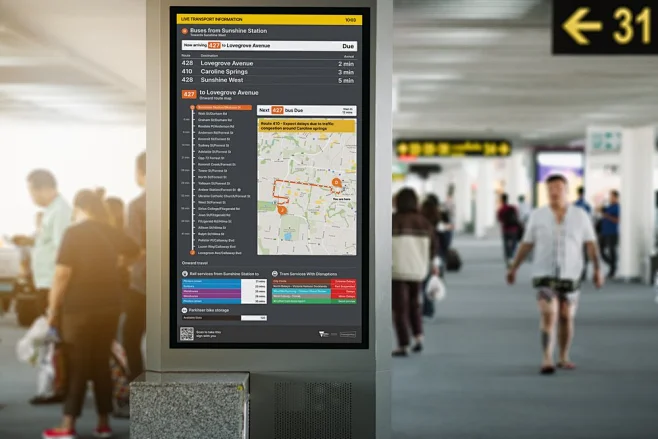
Avalue社の「EPD-4200-B1」は、太陽光発電または外部バッテリーで動作する42インチの屋外用電子ペーパーディスプレイで、新たな配線工事は不要です。バス情報表示板、路線案内板、および公共情報表示板向けに設計されています。.
電子ペーパーの普及が進んでいます。そして、その活用範囲は産業分野へと広がりつつあります。.
IIoT用電子ペーパーモジュールを選ぶ際のポイント
IIoTアプリケーション向けに電子ペーパーモジュールを調達する際は、以下の点を考慮してください:
温度範囲。. 使用環境を把握しましょう。冷蔵倉庫ですか?高温の工場ですか?屋外ですか?その環境に適したモジュールをお選びください。広温度範囲対応のモジュールは、通常、-20°C~+60°Cの範囲で動作します。.
保護等級。. 粉塵や湿気の多い環境では、IP65以上の保護等級が必要です。一部のモジュールでは、前面がIP65、背面がIP64となっています。.
電源。. バッテリー駆動か、それともエネルギーハーベスティングか? 電子ペーパーはどちらにも対応しています。一部のモジュールは、NFCから回収したRFエネルギーだけで動作することも可能です。.
通信プロトコル。. 長距離・低消費電力にはLoRa。短距離にはBLE。高帯域幅にはWi-Fi。セルラー通信エリアではNB-IoT。インフラに合わせてプロトコルを選択してください。.
サイズ。. ステータス表示板は、1~3インチ程度の小さなものでも構いません。仕掛品タグには4~7インチ程度が必要になる場合があります。大型の看板には10インチ以上が必要です。.
更新頻度。. 画面の表示が頻繁に変わると、バッテリーの持続時間が短くなります。表示の切り替えが少なければ、電子ペーパーの利点が最大限に発揮されます。.
統合。. このモジュールは、御社の既存システムとのAPI連携に対応していますか?また、一元管理は可能ですか?
Jictechでは、産業用IoTアプリケーション向けのカスタム電子ペーパーディスプレイモジュールを設計・製造しています。コンパクトなステータスインジケーターから大型の屋外用サイネージまで、お客様の具体的な環境や要件に合わせてモジュールをカスタマイズいたします。詳細はこちらをご覧ください https://jiclcd.com/e-paper/ 当社の電子ペーパー製品ラインナップをご覧になるか、または以下をご覧ください https://jiclcd.com/industrial-display/ 当社の幅広い産業用ディスプレイソリューションについては、.
結論
過酷な環境における産業用IoTの導入では、ある単純な問題に直面します。それは、ディスプレイが故障してしまうことです。.
消費電力が大きすぎるため、故障してしまう。温度変化に耐えられないため、故障してしまう。日光の下では表示が読めないため、故障してしまう。耐久性が不十分であるため、故障してしまう。.
電子ペーパーは、こうした問題をすべて解決します。消費電力はほぼゼロです。-20°Cから+60°Cまでの温度範囲で動作します。直射日光の下でも読みやすくなっています。ほこりや水から保護する密封処理が可能です。.
IIoT市場は急速に成長しており、2025年の$13億1000万から、2032年までに$30億を超える規模に達すると見込まれています。工場、倉庫、屋外環境などでセンサーやデバイスの導入が進むにつれ、そうした環境で実際に機能するディスプレイへの需要はますます高まるでしょう。.
電子ペーパーはもはや、電子書籍リーダー向けのニッチな技術ではありません。産業用ツールとして定着しつつあり、他のディスプレイでは通用しないような場面でもその実力を発揮しています。.
よくあるご質問
広温度範囲対応の電子ペーパーモジュールは、通常、-20°C~+60°Cの範囲で動作しますが、一部の製品では-15°C~+65°Cや-20°C~+70°Cまで対応しています。保管温度は、多くの場合、-25°C~+70°Cの範囲です。.
バッテリーの持続時間は更新頻度によって異なりますが、電子ペーパーの静止時の消費電力がほぼゼロであるため、更新頻度の低いディスプレイではバッテリーの持続時間が数年単位になります。一部のバッテリー駆動の電子ペーパー端末では、1回の充電で3ヶ月以上使用できるものもあります。.
はい。電子ペーパーは反射型で、周囲の光を利用して画像を表示します。直射日光の下では、色が薄くなってしまうLCDやOLEDとは異なり、電子ペーパーは最も鮮明に見えます。.
はい。産業用電子ペーパーモジュールは、-20°C以下でも確実に動作します。LCDとは異なり、低温・高湿の環境でも曇ることはありません。.
一般的なプロトコルには、LoRa、BLE(Bluetooth Low Energy)、Wi-Fi、Zigbee、NB-IoTなどがあります。どのプロトコルを選択するかは、通信距離、消費電力、帯域幅の要件によって異なります。.
はい。電子ペーパーディスプレイは、中央管理システムからワイヤレスでリアルタイムに更新することができ、機器の状態、メンテナンススケジュール、アラート、その他のリアルタイムデータを表示できます。.
電子ペーパーは、消費電力が大幅に少なく(バックライト付きLCDと比較して1.67 µW/cm²)、動作可能な温度範囲が広く、直射日光の下でも視認性が高く、衝撃や振動に対する耐久性にも優れています。 LCDはリフレッシュレートが高く、色再現性も優れていますが、過酷な環境下で静止画や変化の緩やかなコンテンツを表示する場合、電子ペーパーの方が適しています。.