







If you are standing in an electronics store or browsing online for your next wearable, the choice often boils down to this: AMOLED is generally the superior choice for modern smartwatches, provided you value vibrant visuals and battery efficiency in dark mode. While “HD” (High Definition) typically refers to the resolution clarity often found in LCD or IPS screens, the underlying technology of AMOLED (Active-Matrix Organic Light-Emitting Diode) offers distinct advantages for wrist-worn devices. For the vast majority of users in 2026, an AMOLED screen delivers the best balance of readability, aesthetics, and power management. However, if your priority is strictly outdoor visibility in direct sunlight or maximum battery longevity over weeks, traditional LCDs (often marketed as HD displays) still hold a specific niche.
Understanding the Technology: AMOLED vs. “HD” LCD
To truly understand which is better, we need to look under the hood. When manufacturers say “HD display,” they are usually talking about the pixel count (resolution), but the technology powering those pixels is usually LCD (Liquid Crystal Display).
The AMOLED Advantage
AMOLED screens are “self-emissive,” meaning every single pixel produces its own light. This allows for true blacks because the pixel simply turns off. In 2026, we are seeing widespread adoption of LTPO (Low-Temperature Polycrystalline Oxide) backplanes in AMOLED watches. This tech allows the screen to dynamically drop its refresh rate to 1Hz when you aren’t touching it, saving massive amounts of battery life while keeping the “Always-On Display” active.
The “HD” LCD Reality
LCDs use a backlight that shines through liquid crystals. Even if the resolution is “HD” or high, the black levels are actually just dark gray because the backlight is always on. While they are cheaper to manufacture and don’t suffer from burn-in, they consume more power and lack the “pop” of an AMOLED.
Head-to-Head Comparison: AMOLED vs. HD LCD
Here is a breakdown of how these two technologies compare in real-world smartwatch usage.
| Fonctionnalité | AMOLED Display | HD LCD / IPS Display |
|---|---|---|
| Rapport de contraste | Infini (True Blacks) | ~1000:1 (Backlight bleed) |
| Battery Efficiency | High (Saves power with dark themes) | Low (Backlight always consumes power) |
| Outdoor Visibility | Good (High Nits, but reflective) | Moderate (Depends on backlight strength) |
| Épaisseur | Very Thin (No backlight layer) | Thicker (Requires backlight unit) |
| Durée de vie | Moderate (Risk of burn-in over years) | Excellent (No burn-in risk) |
| Coût | Higher | Budget-friendly |
Why AMOLED is the Best Choice for Smartwatches
Based on current market trends and technical specifications in 2026, AMOLED is the most suitable display technology for smartwatches. Here is the professional reasoning behind this recommendation:
1. Unmatched Power Efficiency with Dark Mode
Since smartwatches have tiny batteries, efficiency is king. Because AMOLED pixels turn off to create black, using a dark watch face significantly extends battery life. In contrast, an “HD” LCD consumes the same amount of power displaying a black screen as it does a white one because the backlight stays on.
2. Readability in Variable Lighting
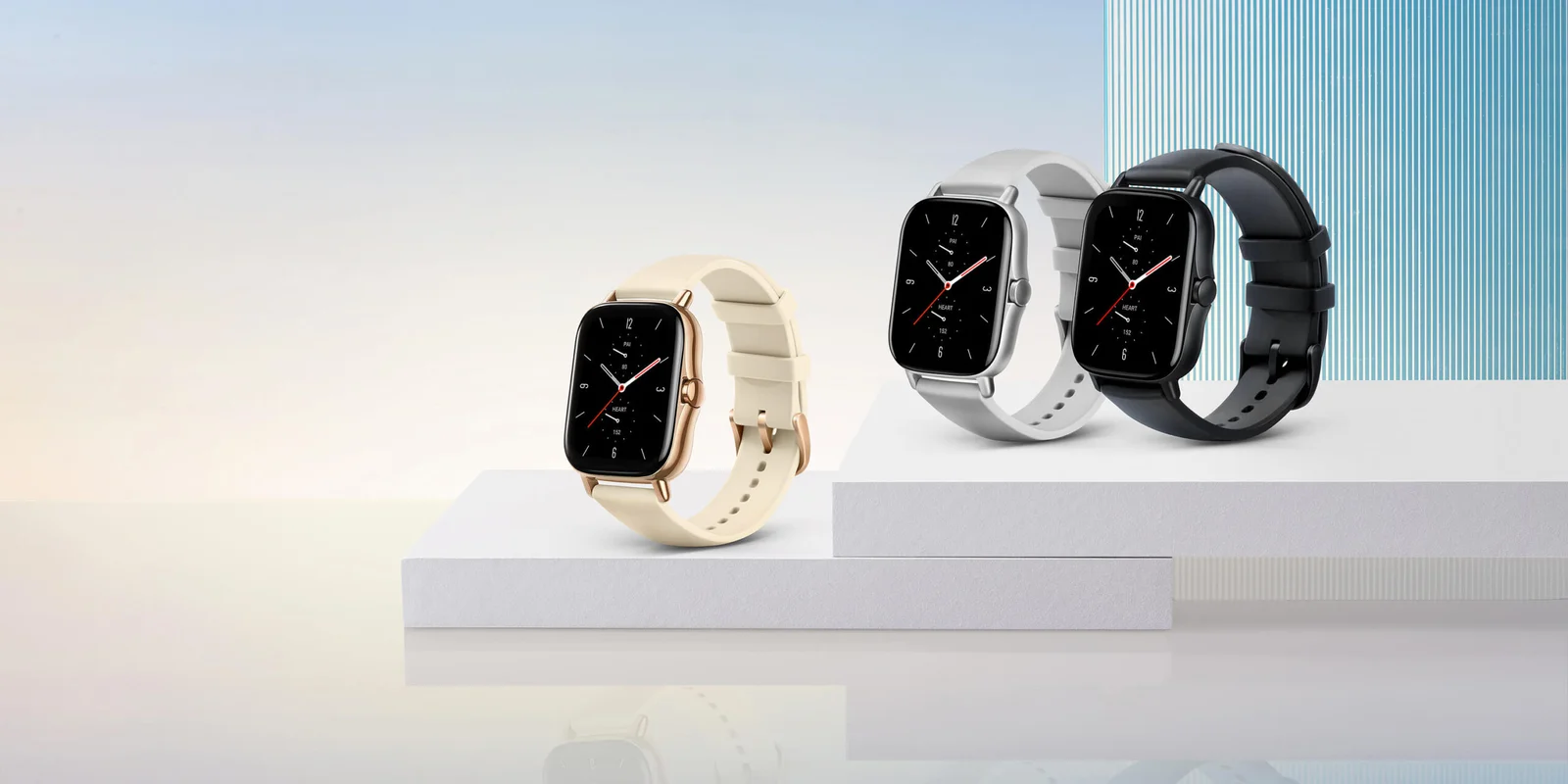
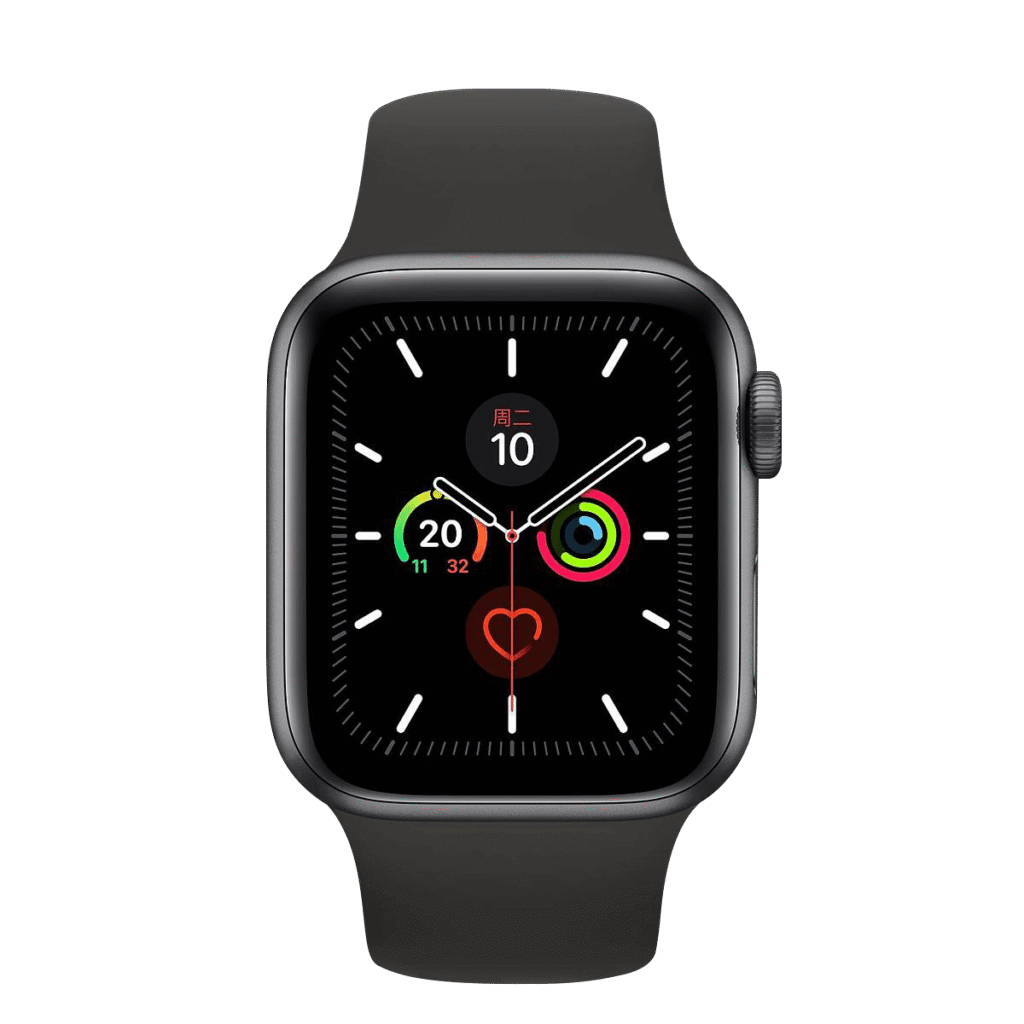
Modern AMOLED panels, such as those found in the Xiaomi Watch 5 or Apple Watch Ultra series, can hit peak brightness levels of 1500 to 2000 nits. This ensures that even in the bright midday sun, the screen remains legible. While MIP (Memory In Pixel) LCDs are great for sunlight, they are often washed out indoors. AMOLED offers the best of both worlds.
3. Visual Clarity and “Pop”
When you look at health data, maps, or notifications, the high contrast of AMOLED makes text sharper. An “HD” label on an LCD might mean high resolution, but without high contrast, the image looks flat. AMOLED provides a depth that makes the interface feel premium.
How to Choose: A Buyer’s Guide
When selecting your next wearable, use this guide to decide if you should stick with AMOLED or go for an LCD/HD option.
Choose AMOLED if:
- You want an Always-On Display (AOD): You want to check the time without raising your wrist, but don’t want to drain the battery.
- You consume media: You watch notifications, view photos, or use maps on your wrist. The colors will be much richer.
- You prefer thin devices: AMOLED allows for sleeker, more jewelry-like designs.
Choose HD LCD (or MIP) if:
- You are on a strict budget: LCD watches are generally more affordable.
- You need multi-week battery life: If you are an ultra-runner or hiker who cannot charge for 10+ days, a transflective LCD (like Garmin’s MIP) might be better than even the best AMOLED.
- You are worried about burn-in: If you plan to keep the exact same static watch face on the screen for 5 years straight, LCD is safer (though modern AMOLEDs have largely mitigated this risk).
Foire aux questions (FAQ)
Generally, yes, due to higher contrast which reduces eye strain in low light. However, some AMOLED screens use PWM dimming which can cause flicker sensitivity in some users, whereas LCDs often use DC dimming which is softer for sensitive eyes.
No. “HD” refers to resolution (pixel count), while AMOLED refers to the panel technology. You can have an HD AMOLED screen, which combines high resolution with superior color and contrast.
It depends on the content. If you use a bright white watch face, AMOLED uses more power. However, if you use a dark or black watch face, AMOLED is significantly more efficient than LCD/HD screens.
Modern AMOLED screens are durable and typically last 3-5 years. The main degradation is “burn-in,” where static images leave a ghostly trail, but software pixel-shifting in 2026 models has made this rare.
LCDs are cheaper to produce and offer better battery life for static displays (like MIP technology). They remain the best choice for entry-level budget watches and specialized ultra-endurance sports watches.