






If you’re choosing between TFT and LCD for a motorcycle, the short answer is this: TFT displays are generally better for modern bikes because they offer superior brightness, full-color visuals, and advanced features like connectivity and customizable interfaces. However, LCD displays still make sense for budget-friendly, ultra-reliable applications where simplicity and low cost matter most.
This guide breaks it all down—from technology and specs to real-world performance—so you can confidently decide which display is right for your bike or project.
What Is a TFT Display on a Motorcycle?
A TFT (Thin-Film Transistor) display is an active-matrix LCD where each pixel is controlled by its own transistor. This allows:
- Smooth graphics and animations
- Full-color UI (like a smartphone screen)
- High brightness for outdoor visibility
- Advanced layouts (navigation, media, riding modes)
In modern motorcycles, TFT displays act as a smart digital dashboard, replacing traditional gauges entirely.
What Is an LCD Display on a Motorcycle?
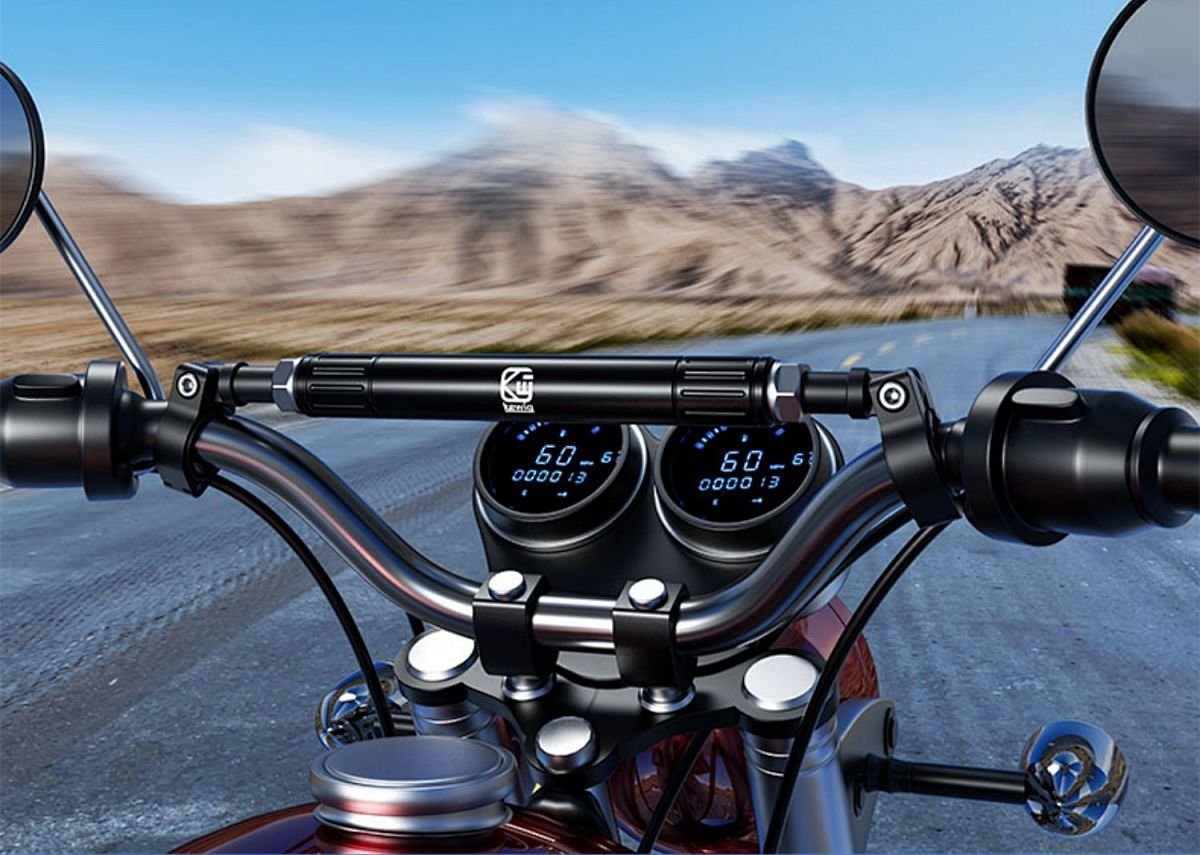
The LCD commonly used in motorcycles is typically a segment LCD or passive-matrix display. These are simpler and designed for:
- Basic data (speed, fuel, odometer)
- Monochrome or limited color output
- Extremely low power consumption
- High durability and long lifespan
They’re widely used in entry-level or utility motorcycles.
TFT vs LCD for Motorcycles (Detailed Comparison)
Here’s a practical, engineering-level comparison:
| Fonctionnalité | TFT Display | LCD Display |
|---|---|---|
| Type d'affichage | Active-matrix LCD | Passive / segment LCD |
| Color | Full color | Monochrome / limited |
| Luminosité | 800–1500 nits | 300–800 nits |
| Sunlight Visibility | Excellent | Modéré |
| UI Flexibility | Very high | Very limited |
| Animation | Smooth | Minimal |
| Consommation électrique | Modéré | Very low |
| Durability | Haut | Very high |
| Coût | Medium to high | Faible |
| Smart Features | Yes (Bluetooth, navigation, etc.) | No |
From real-world deployment, TFT clearly wins in user experience, while LCD wins in cost and simplicity.
Which Is Better TFT or LCD for Bike?
It depends on your use case—but for most riders today:
Choose TFT if you want:
- A modern, premium dashboard experience
- Navigation and smartphone connectivity
- Clear visibility in all lighting conditions
- A customizable interface
Choose LCD if you want:
- Maximum reliability with minimal complexity
- Lower cost (especially for mass production)
- Basic functionality only
In short:
- Daily commuting + budget → LCD
- Premium bikes + smart features → TFT
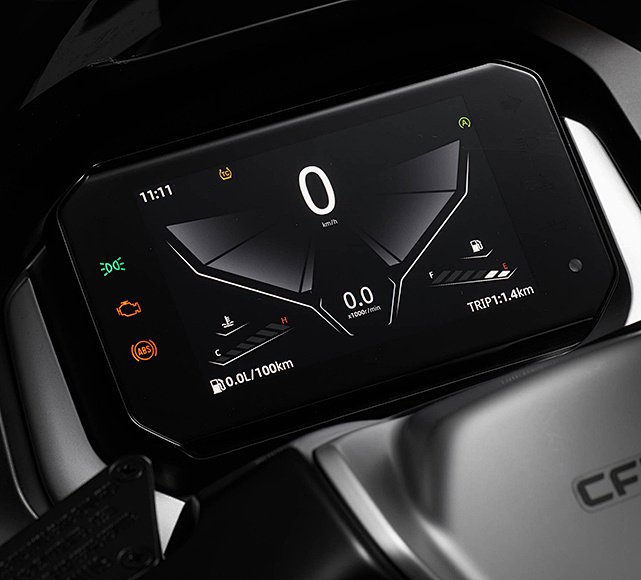
Advantages of TFT Displays
| Advantage | Why It Matters |
|---|---|
| High Brightness | Readable under direct sunlight |
| Full-Color UI | Better information hierarchy |
| Smart Integration | Navigation, calls, media |
| Custom Layouts | Adapts to rider preference |
| Wide Viewing Angles | Visible from different positions |
| Premium Look | Enhances product value |
Advantages of LCD Displays
| Advantage | Why It Matters |
|---|---|
| Low Cost | Ideal for entry-level bikes |
| Ultra Low Power | Efficient for simple systems |
| High Reliability | Proven long-term stability |
| Simple Design | Easier integration |
| Clear Basic Data | No distractions while riding |
Technical Specifications Comparison
| Paramètres | TFT Display Range | LCD Display Range |
|---|---|---|
| Taille de l'écran | 3.5″ – 10.25″ | 2″ – 5″ |
| Résolution | 320×240 – 1280×720 | Segment / low-res |
| Luminosité | 800 – 1500 nits | 300 – 800 nits |
| Rapport de contraste | 500:1 – 1500:1 | Lower |
| Operating Temp | -20°C to 70°C | -30°C to 80°C |
| Protection Level | IP65 – IP67 | IP65 – IP67 |
Why TFT Displays Are Dominating Modern Motorcycles
From an industry perspective, the shift to TFT is driven by three key factors:
1. Rider Experience
Riders expect a smartphone-like interface, not just numbers on a screen.
2. Brand Differentiation
Manufacturers use TFT displays to create unique UI designs and brand identity.
3. Connectivity Trends
Modern bikes integrate:
- Navigation
- Music
- Call notifications
These are only practical with TFT displays.
How to Choose Between TFT and LCD
Based on practical selection criteria:
1. Budget
- Tight budget → LCD
- Premium product → TFT
2. Usage Environment
- Harsh outdoor + sunlight → TFT (high brightness required)
3. Feature Requirements
- Need smart features → TFT
- Only speed/fuel → LCD
4. Target Market
- Entry-level markets → LCD
- High-end markets → TFT
Common Mistakes to Avoid
From hands-on experience:
- Choosing TFT with insufficient brightness (<800 nits)
- Ignoring optical bonding (causes reflections)
- Overcomplicating UI (unsafe while riding)
- Selecting LCD when future features are planned
Conclusion
Both TFT and LCD displays have their place in motorcycles—but they serve very different goals.
- TFT displays deliver a modern, feature-rich, and visually superior experience
- LCD displays provide a cost-effective, reliable solution for basic needs
For most modern motorcycles, especially those targeting mid-to-high-end users, TFT is the better long-term choice.
FAQ
Yes, TFT is better in terms of visibility, features, and user experience, but it comes at a higher cost.
Yes, especially in entry-level models where cost and simplicity are priorities.
Yes. Automotive-grade TFT displays are designed for vibration, temperature changes, and outdoor use.
Because they use active-matrix technology, higher brightness backlights, and more complex controllers.
Both are durable, but TFT offers better scalability for future features.