








Introduction
If you’ve ever shopped for a monitor, smartphone, or digital signage, you’ve likely encountered the terms TFT display and LED display. While both are popular screen technologies, they work very differently—and choosing the wrong one can affect image quality, power consumption, and your wallet. This guide breaks down what each technology is, how they compare, where they shine, and how to pick the right one for your needs.
What Is a TFT Display?
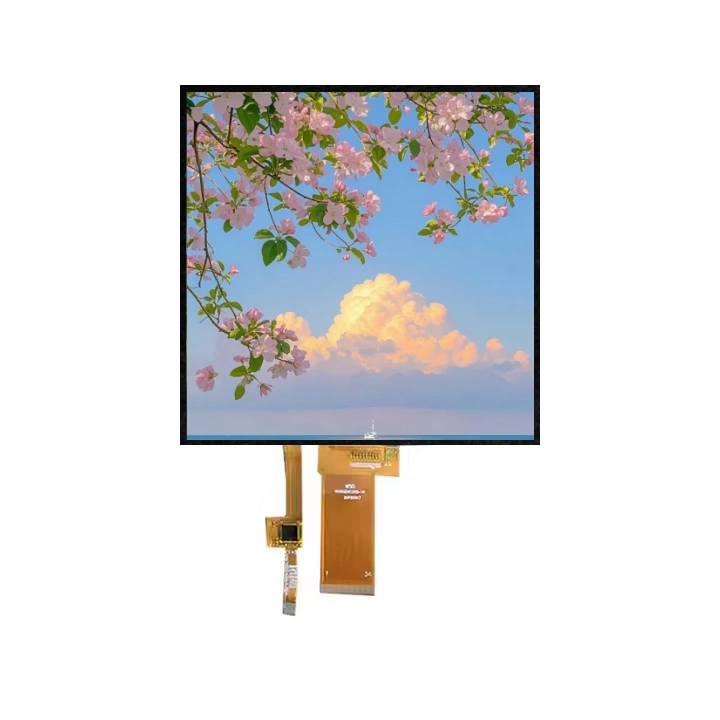
TFT stands for Thin-Film Transistor. It is a type of LCD (Liquid Crystal Display) technology where each pixel is controlled by its own tiny transistor. This allows for faster refresh rates, better color accuracy, and sharper images compared to older passive-matrix LCDs.
Key characteristics of TFT displays:
- Backlight required: TFT panels do not emit light on their own. They rely on a dedicated backlight (traditionally CCFL, but often LED-backlit in modern devices) to illuminate the liquid crystals.
- Active matrix control: Each pixel has an individual transistor, enabling precise control and faster response times.
- Cost-effective: TFT screens are generally cheaper to manufacture, especially in smaller sizes.
- Common types: TN (Twisted Nematic), IPS (In-Plane Switching), and VA (Vertical Alignment) are all variants of TFT LCD technology.
Note: Many “LED monitors” you see on the market are actually TFT LCD panels with LED backlighting—not true LED displays. This is a major source of confusion.
What Is an LED Display?
LED stands for Light-Emitting Diode. In the context of displays, there are two distinct meanings:
- LED-backlit LCD – The most common type. It uses a TFT LCD panel with LEDs as the backlight source instead of CCFL. This is what most “LED TVs” actually are.
- True LED display (Direct LED / LED panel) – Uses LEDs as the actual pixels themselves. Each LED acts as a tiny light source, creating the image directly without liquid crystals. This includes:
- OLED (Organic LED): Each pixel emits its own light.
- MicroLED: An emerging technology using microscopic LEDs.
- LED video walls: Large-scale displays made of LED modules, common in outdoor advertising and stadiums.
For this comparison, we focus on TFT LCD vs. true LED/OLED display technology, as this is where the real differences lie.
TFT vs LED: Side-by-Side Comparison
| Feature | TFT Display (LCD) | LED Display (True LED / OLED) |
|---|---|---|
| Light Source | Requires external backlight | Self-emitting pixels (no backlight needed) |
| Contrast Ratio | Moderate (backlight bleeds through black areas) | Excellent (true blacks by turning off individual pixels) |
| Color Accuracy | Good to very good (especially IPS TFT) | Superior with wider color gamut |
| Viewing Angles | Limited (TN is poor; IPS/VA are better) | Excellent (near 180° with no color shift) |
| Response Time | Fast (1ms–5ms for gaming panels) | Extremely fast (OLED: <1ms) |
| Brightness | Moderate (sufficient for indoor use) | Very high (ideal for outdoor and HDR) |
| Power Efficiency | Moderate (backlight always on) | High (pixels light up only when needed) |
| Thickness & Weight | Thicker and heavier | Thinner and lighter |
| Lifespan | Long (60,000–100,000 hours) | OLED: Shorter (organic degradation); LED walls: Very long |
| Burn-in Risk | None | OLED: Yes (static images can cause burn-in) |
| Cost | Lower (especially for small-to-medium sizes) | Higher (OLED premium; large LED walls are expensive) |
| Best For | Budget monitors, industrial screens, laptops | Premium TVs, smartphones, outdoor signage |
Application Scenarios
Where TFT Displays Excel
- Desktop monitors & laptops: The vast majority use TFT LCD panels with LED backlighting. They strike the best balance between cost, performance, and availability.
- Industrial & medical equipment: TFT screens are reliable, readable in various conditions, and cost-effective for embedded systems.
- Automotive dashboards: Durability and sunlight readability make TFT LCDs ideal for cars.
- Budget smartphones & tablets: Entry-level devices rely on TFT LCDs to keep prices down.
Where LED Displays Excel
- Premium TVs & home theater: OLED TVs from LG, Sony, and Samsung deliver unmatched contrast and cinematic quality.
- Smartphones (flagship): OLED displays dominate high-end phones (iPhone Pro, Samsung Galaxy S series) for deep blacks and vibrant colors.
- Outdoor digital signage & billboards: True LED walls are bright enough to be seen in direct sunlight and scalable to massive sizes.
- Professional color grading: OLED monitors are preferred by video editors and photographers for their color accuracy and contrast.
- Wearables: The thin, flexible nature of OLED allows for curved screens on smartwatches.
How to Choose the Right Display
Ask yourself these five questions before making a decision:
1. What Is Your Budget?
- Tight budget → Go with a TFT LCD (IPS panel recommended for best color and viewing angles).
- Flexible budget & want the best picture → Choose OLED or high-quality LED-backlit options.
2. What Will You Use It For?
- Gaming: A fast TFT LCD (1ms response, 144Hz+) is excellent and more affordable. OLED is great but watch for burn-in with static HUDs.
- Professional photo/video editing: OLED or high-end IPS TFT with good calibration.
- General office work: Standard TFT LCD is perfectly adequate.
3. Where Will It Be Used?
- Indoor, controlled lighting: Either works well.
- Outdoor or bright environments: True LED displays or high-brightness TFT panels with anti-glare coating.
4. Do You Watch a Lot of Movies in Dark Rooms?
- Yes → OLED is unbeatable for deep blacks and contrast.
- Mixed usage / bright room → A quality TFT LCD with local dimming is often more practical.
5. Are Static Images a Concern?
- If you display news tickers, stock prices, or game HUDs for hours daily, TFT LCD is safer to avoid OLED burn-in.
Final Verdict
There is no universal “best” display—only the best one for your specific needs. TFT LCD remains the workhorse of the display world: affordable, reliable, and versatile. True LED and OLED technologies represent the premium tier, offering superior contrast, color, and design flexibility at a higher cost.
If you’re buying a standard monitor or laptop, you’re likely getting a TFT LCD with LED backlighting—and that’s perfectly fine for most users. But if you crave the deepest blacks, fastest response, and most vivid colors, investing in an OLED or true LED display is worth the premium.