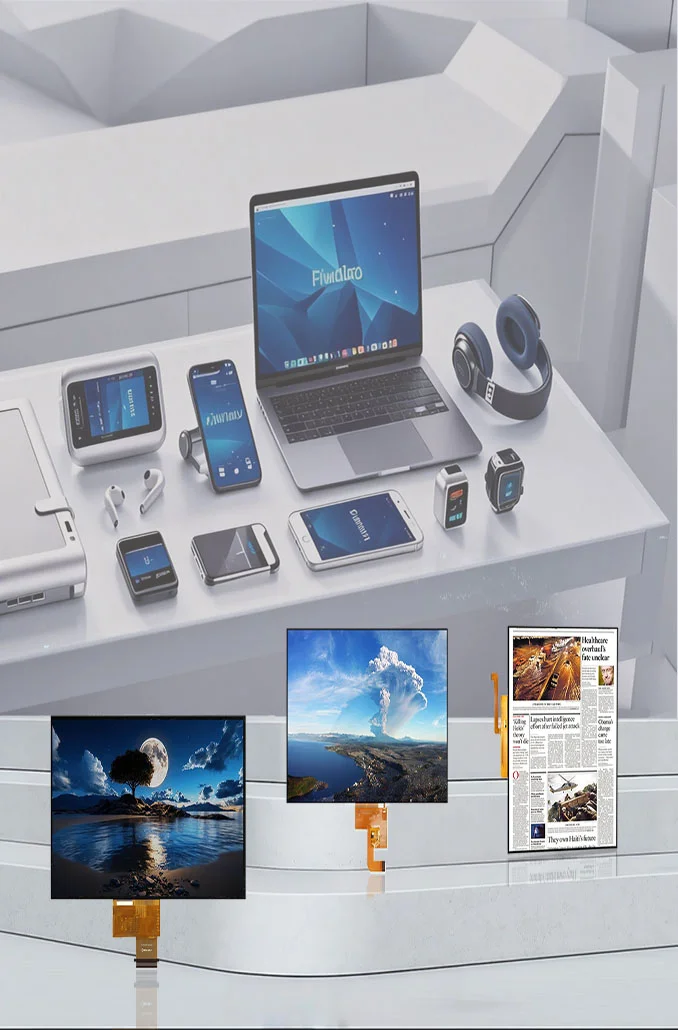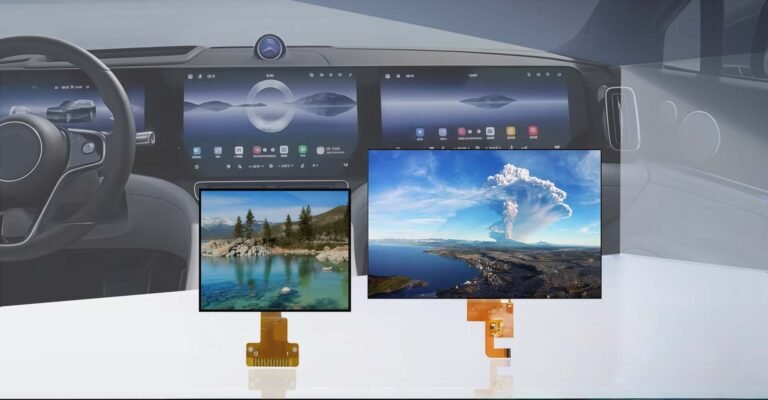






When comparing TFT LCD, AMOLED, and OLED displays, the best choice depends on your specific needs: TFT LCD is a cost-effective and reliable option for general use, AMOLED offers vibrant colors and energy efficiency for smartphones and wearables, while OLED provides superior contrast and flexibility for high-end TVs and devices. In essence, TFT LCD uses a backlit liquid crystal design, AMOLED is a type of OLED with an active matrix for better control, and OLED is a self-emissive technology that delivers deep blacks and rich colors. This article delves into a detailed comparison to help you decide.
What are TFT LCD, AMOLED, and OLED?
TFT LCD (Thin-Film Transistor Liquid Crystal Display) is a variant of LCD technology that uses thin-film transistors to control individual pixels. It relies on a backlight (usually LED) to illuminate liquid crystals, which then filter light to produce images. It’s widely used due to its maturity and affordability.
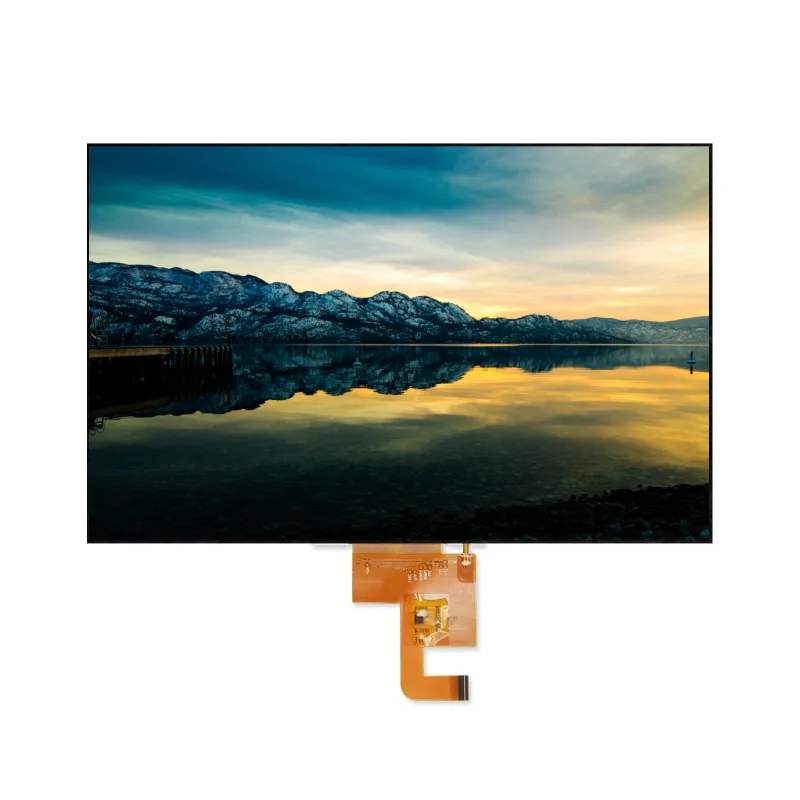
AMOLED (Active-Matrix Organic Light-Emitting Diode) is a type of OLED display that incorporates an active matrix of TFTs to control each pixel. This allows for faster response times and lower power consumption. Pixels emit their own light, eliminating the need for a backlight.
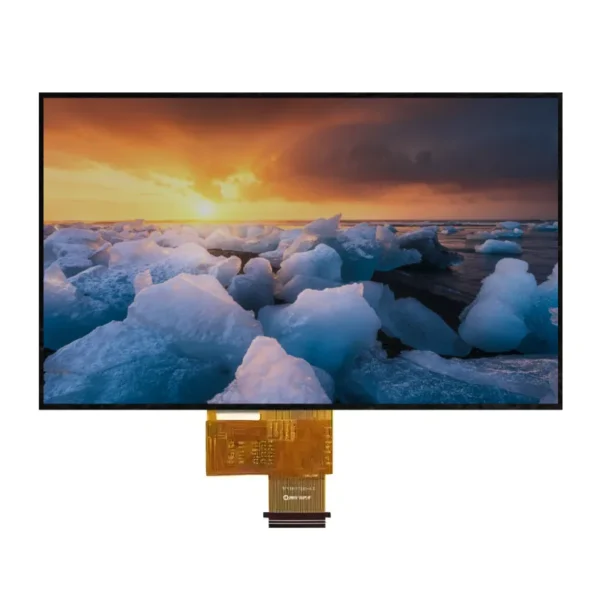
OLED (Organic Light-Emitting Diode) is a display technology where organic compounds emit light when an electric current is applied. Each pixel is self-emissive, enabling true blacks by turning off completely. OLED is known for its excellent contrast and flexibility.
Key Comparisons: Table of Parameters
Here’s a quick comparison of key parameters for TFT LCD, AMOLED, and OLED displays:
| 매개변수 | TFT LCD | AMOLED | OLED |
|---|---|---|---|
| Technology Type | Backlit liquid crystal | Active matrix OLED | Self-emissive OLED |
| 밝기 | High (depends on backlight) | Moderate to high | High (especially in HDR) |
| 명암비 | Lower (typically 1000:1) | Very high (theoretical ∞:1) | Extremely high (theoretical ∞:1) |
| 전력 소비량 | Higher (always backlit) | Lower (pixels off in dark areas) | Lower (similar to AMOLED) |
| 응답 시간 | Slower (ms range) | Very fast (µs range) | Very fast (µs range) |
| Viewing Angles | Good (may wash out at angles) | 우수 | 우수 |
| 색상 정확도 | Good (with calibration) | Vibrant and saturated | Accurate and vibrant |
| 수명 | Long (50,000+ hours) | Moderate (risk of burn-in) | Moderate (risk of burn-in) |
| 비용 | 낮음 | 높음 | Very high |
| 유연성 | Rigid | Can be flexible | Highly flexible |
| 번인 위험 | 낮음 | Moderate to high | Moderate to high |
Note: Parameters can vary by manufacturer and specific model.
Advantages and Disadvantages
TFT LCD
- 장점: Low cost, long lifespan, high brightness, good performance in bright environments, mature technology.
- 단점: Lower contrast ratio, higher power consumption, thicker design due to backlight, limited viewing angles.
AMOLED
- 장점: High contrast ratio, vibrant colors, thin and lightweight design, low power consumption in dark modes, fast response time.
- 단점: Risk of burn-in (image retention), higher cost, shorter lifespan for blue pixels, potential color degradation over time.
OLED
- 장점: Exceptional contrast ratio (true blacks), wide viewing angles, fast response time, flexible and thin form factors, energy-efficient for dark content.
- 단점: Expensive to produce, susceptibility to burn-in, shorter overall lifespan compared to LCD, sensitivity to moisture.
Applications in Various Industries
- 소비자 가전:
- TFT LCD: Budget smartphones, monitors, laptops, and TVs.
- AMOLED: Premium smartphones (e.g., Samsung Galaxy series), smartwatches, tablets.
- OLED: High-end TVs (e.g., LG OLED TVs), flagship smartphones (e.g., iPhone Pro models), VR headsets.
- 자동차: TFT LCD for dashboards and infotainment; AMOLED/OLED for curved displays and luxury vehicles.
- Healthcare: TFT LCD for medical monitors due to reliability; OLED for surgical displays with high contrast.
- Advertising: TFT LCD for digital signage; OLED for high-impact, flexible displays.
- Wearable Technology: AMOLED dominates smartwatches and fitness trackers for energy efficiency.
How to Choose the Right Display Technology
Selecting between TFT LCD, AMOLED, and OLED depends on your priorities:
- Choose TFT LCD if: You need a budget-friendly option, require high brightness for outdoor use, prioritize longevity, or use devices for long static content (e.g., office work).
- Choose AMOLED if: You want vibrant colors and deep blacks for media consumption, need energy efficiency for portable devices (e.g., smartphones), or desire a sleek design.
- Choose OLED if: You seek the best image quality with true blacks for home theater, value flexibility in design (e.g., curved screens), or use applications where contrast is critical (e.g., gaming, professional editing).
Consider factors like budget, usage environment, device type, and content type. For instance, gamers might prefer OLED for fast response, while businesses may opt for TFT LCD for cost-effective signage.
Conclusion
In the TFT LCD vs AMOLED vs OLED debate, each technology has its strengths. TFT LCD remains a reliable and economical choice for everyday use, while AMOLED and OLED excel in delivering superior visual experiences with energy efficiency. Your decision should align with specific needs: opt for TFT LCD for durability and cost, AMOLED for balanced performance in mobiles, or OLED for top-tier quality in premium devices. As technology evolves, we can expect improvements in lifespan and affordability for OLED-based displays.
FAQ (Frequently Asked Questions)
1. What is the main difference between TFT LCD and OLED?
TFT LCD uses a backlight to illuminate liquid crystals, resulting in lower contrast but higher brightness and longevity. OLED is self-emissive, with pixels that turn off for true blacks, offering superior contrast but at a higher cost and risk of burn-in.
2. Is AMOLED better than OLED?
AMOLED is a subset of OLED that uses an active matrix for better pixel control, often making it more efficient for small screens like smartphones. In practice, AMOLED and OLED share similar benefits, but AMOLED is typically associated with mobile devices, while OLED refers to broader applications including TVs.
3. Which display technology is best for gaming?
OLED is often preferred for gaming due to its fast response time, high contrast ratio, and vibrant colors, which enhance immersive experiences. However, TFT LCD with high refresh rates is a cost-effective alternative, while AMOLED is popular for mobile gaming.
4. How to prevent burn-in on AMOLED displays?
To prevent burn-in, avoid displaying static images at high brightness for long periods, use dark modes, enable screen timeout, and occasionally shift content. Many devices also have built-in pixel-shifting features.
5. Are OLED displays more expensive than LCD?
Yes, OLED displays are generally more expensive than TFT LCD due to complex manufacturing processes and materials. However, prices are decreasing as technology matures, making OLED more accessible in mid-range devices.