







Short answer first:
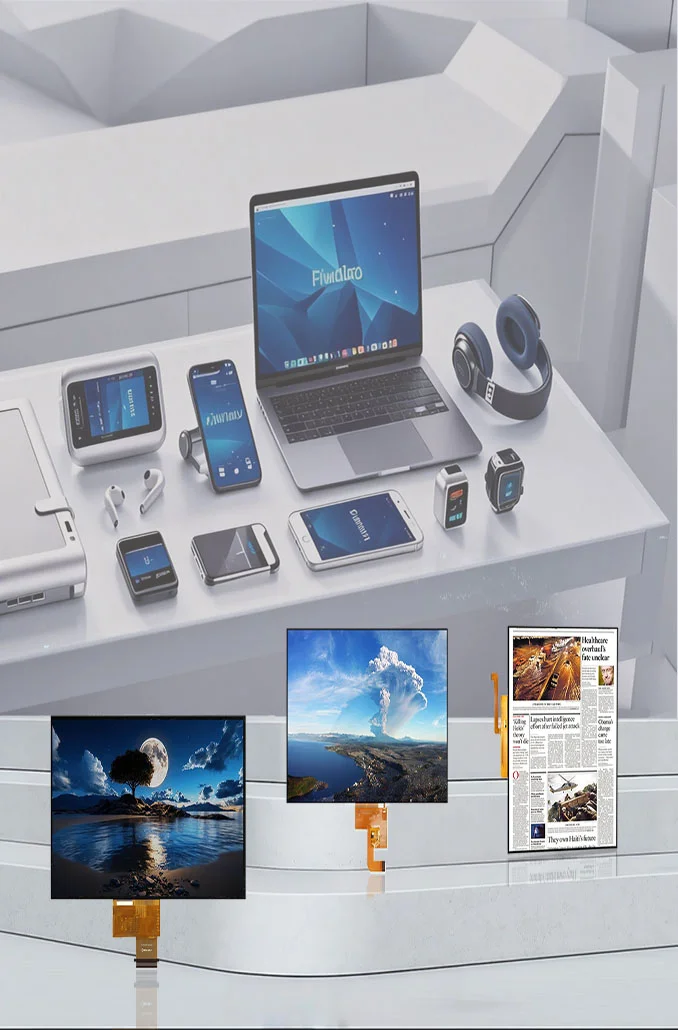
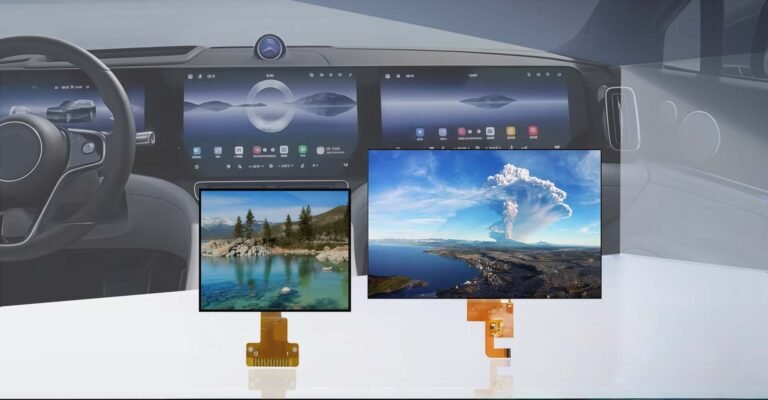
When comparing TFT vs IPS vs TN, all three refer to LCDディスプレイ technologies, but they differ in performance and use cases. TN (Twisted Nematic) is the fastest and cheapest but has poor viewing angles and color accuracy. IPS(インプレーン・スイッチング) delivers the best color reproduction and wide viewing angles, making it ideal for design and professional work. TFT is a broader term (Thin-Film Transistor) that actually includes both IPS and TN as subtypes—so it’s not a direct competitor but the underlying technology powering most modern LCDs.
What Are TFT, IPS, and TN Displays?
What is a TFT Display (Thin-Film Transistor LCD)?
A TFTディスプレイ is a type of LCD that uses thin-film transistors to control individual pixels. Think of it as the foundation layer that improves image quality compared to older passive-matrix LCDs.
From hands-on experience working with display sourcing and SEO for industrial panels, many buyers mistakenly treat TFT as a panel type like IPS or TN. In reality:
- TFT = technology category
- IPS / TN = panel types built on TFT
Key characteristics:
- Active-matrix LCD technology
- Faster response than older LCDs
- Supports multiple panel types (IPS, TN, VA)
What is a TN Panel (Twisted Nematic)?
TN panels are the oldest and most cost-effective TFT-based display technology.
How it works:
Liquid crystals twist when voltage is applied, controlling light passage. This structure is simple and fast—but sacrifices color consistency.
Real-world observation:
In budget monitors or industrial HMIs, TN panels are still widely used because:
- They’re cheap
- They respond quickly
- They’re easy to mass-produce
What is an IPS Panel (In-Plane Switching)?
IPS panels are designed to fix TN’s biggest weaknesses: poor viewing angles and inaccurate colors.
How it works:
Instead of twisting vertically, liquid crystals rotate parallel to the panel plane, maintaining consistent light output across angles.
Practical insight:
If you’ve ever compared a cheap laptop screen vs a MacBook or high-end monitor, you’ve already seen IPS advantages:
- Colors don’t shift when you tilt the screen
- Whites stay white (not yellow/blue tinted)
TFT vs IPS vs TN: Core Differences (Quick Comparison Table)
| 特徴 | TFT (General) | TN Panel | IPS Panel |
|---|---|---|---|
| Definition | Technology category | Panel type (TFT-based) | Panel type (TFT-based) |
| Color Accuracy | Depends on panel | 低い | 高い |
| Viewing Angles | Depends on panel | Narrow | Wide (up to 178°) |
| 応答時間 | 中程度 | Very fast | 中程度 |
| コスト | Varies | Lowest | Higher |
| Typical Use | All LCD displays | Gaming, industrial | Design, medical, consumer |
Advantages and Disadvantages of Each Technology
Pros & Cons Comparison
| Technology | Advantages | Disadvantages |
|---|---|---|
| TFT (General) | Mature technology, scalable, widely available | Too broad—performance depends on panel type |
| TN | Low cost, fastest response time, low power | Poor color accuracy, limited viewing angles |
| IPS | Excellent color, wide viewing angles, consistent image | Higher cost, slightly slower response |
Where Are TFT, IPS, and TN Displays Used?
アプリケーション・シナリオ
| Application | Recommended Technology | Why |
|---|---|---|
| Industrial equipment | TN / TFT | Cost-effective, durable |
| Gaming monitors | TN / Fast IPS | Speed matters |
| Medical displays | IPS | Color accuracy is critical |
| Graphic design | IPS | True color reproduction |
| 家電製品 | IPS | Better viewing experience |
| Embedded systems | TN / IPS | Depends on budget & UI needs |
How to Choose Between TFT, IPS, and TN?
Selection Guide (Based on Real Use Cases)
| Priority | Best Choice | Reason |
|---|---|---|
| Lowest cost | TN | Cheapest production |
| Fastest response | TN | Ideal for gaming/real-time systems |
| Best color accuracy | IPS | Essential for visual work |
| 広視野角 | IPS | Multi-user or outdoor viewing |
| Balanced performance | IPS (mid-range TFT) | Best overall experience |
| Industrial reliability | TN / IPS | Depends on environment |
Key Buying Mistakes (Based on Experience)
From working with B2B display buyers, here are common pitfalls:
- Confusing TFT with IPS/TN
→ Leads to incorrect product specs in procurement - Choosing TN for UI-heavy applications
→ Results in poor user experience - Overpaying for IPS when not needed
→ Many industrial systems don’t require high color accuracy - Ignoring viewing angle requirements
→ Critical for kiosks, medical devices, and shared screens
Final Thoughts: TFT vs IPS vs TN — What Should You Really Pick?
If you strip away the marketing:
- TFT = the base technology
- TN = speed + low cost
- IPS = quality + consistency
In most modern applications, IPS is the default recommendation, unless:
- You need ultra-fast response (choose TN)
- Or strict cost control (also TN)
FAQ: TFT vs IPS vs TN
Not always. TN is faster, but modern IPS panels are catching up. If you care about visuals, IPS is better.
No. TFT is a broader category. IPS is actually a type of TFT with better performance.
IPS displays are generally more comfortable due to stable colors and wider viewing angles.
Because they are cheap, fast, and reliable—especially in industrial and budget applications.
If budget allows and image quality matters, yes. Otherwise, TN is still a practical choice.