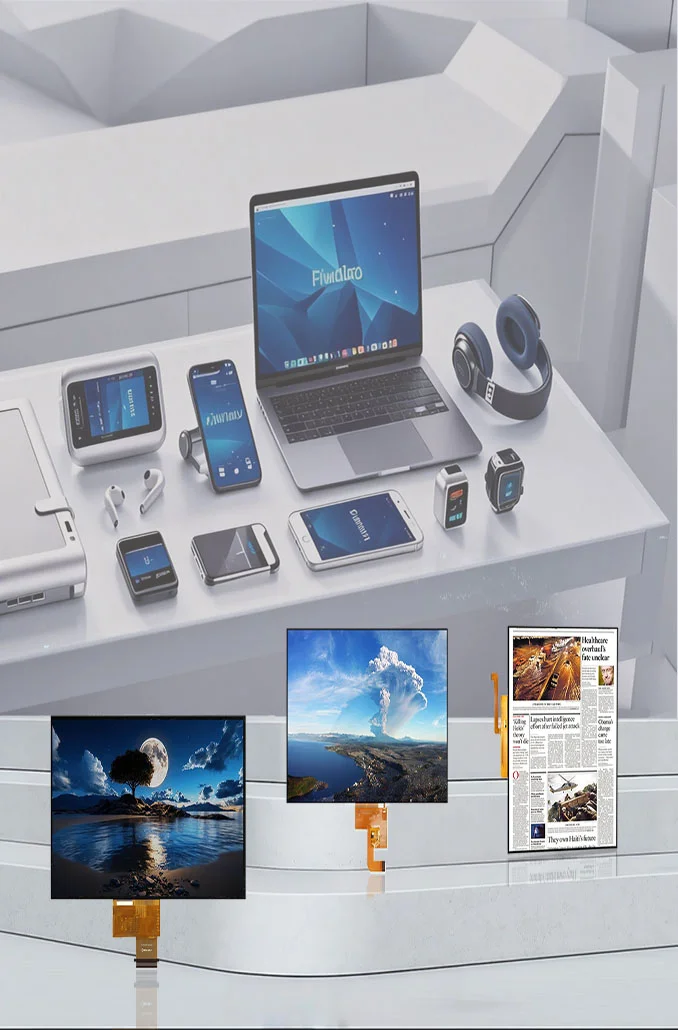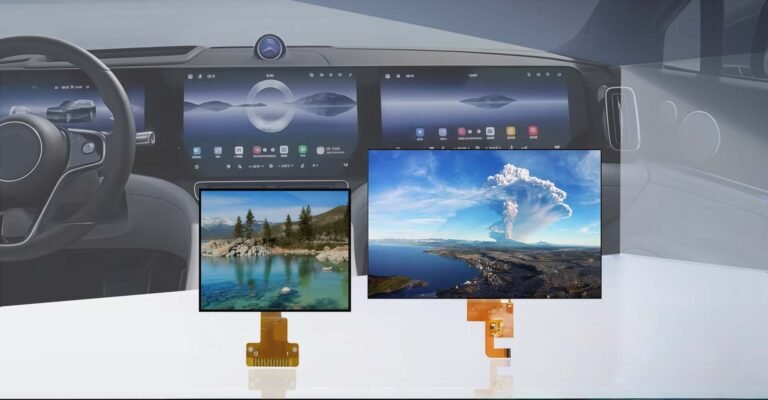





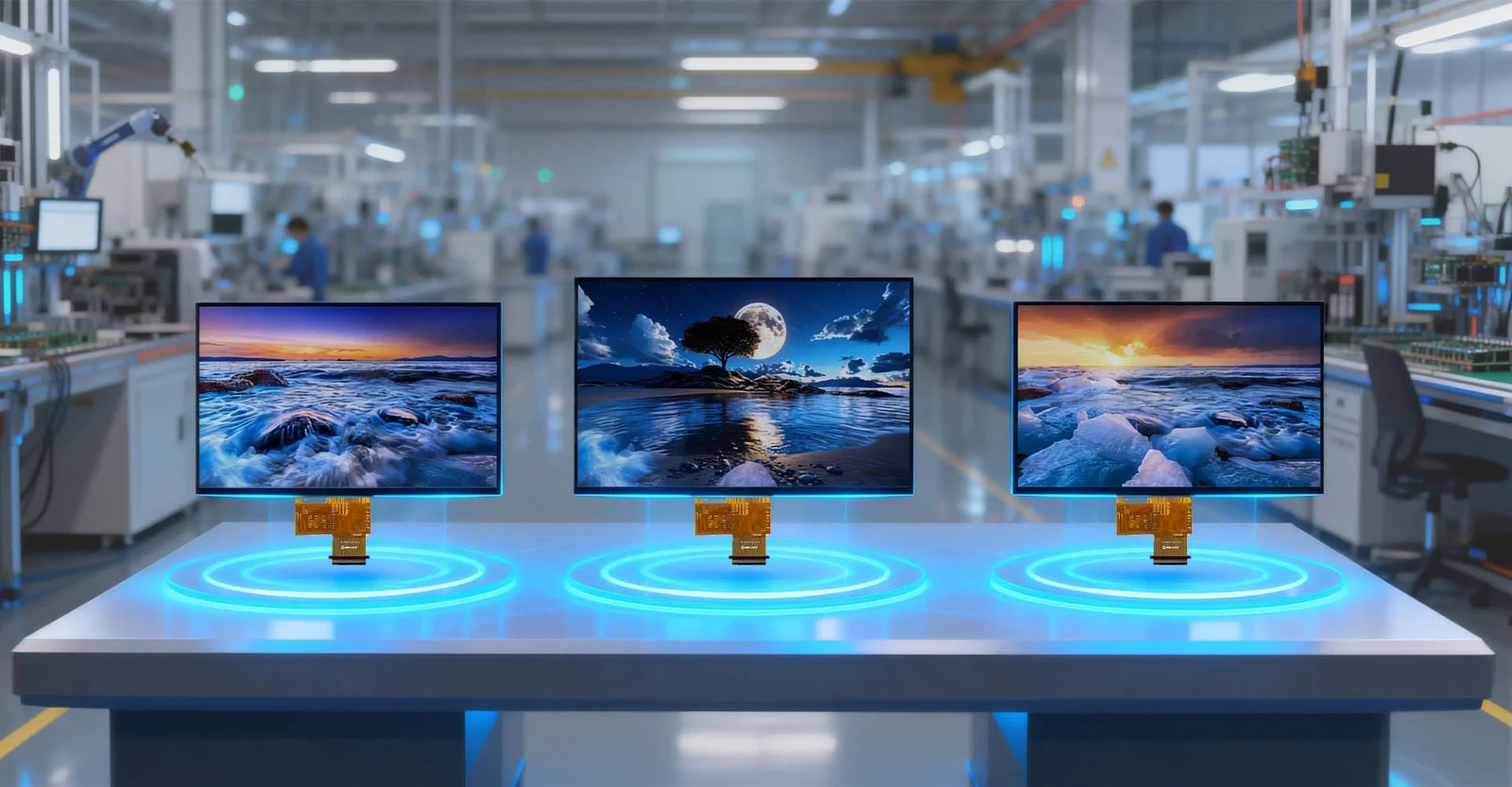

The fundamental difference lies in how they produce light: 液晶ディスプレイ (Liquid Crystal Display) is a legacy technology using a backlight (often fluorescent) and liquid crystals to block or pass light; LED (Light Emitting Diode) displays are technically a subtype of LCDs that use LEDs for backlighting instead of CCFLs, offering better efficiency and contrast; while 有機EL (Organic Light Emitting Diode) represents a paradigm shift where each pixel emits its own light, eliminating the need for a backlight entirely, which allows for perfect blacks, infinite contrast ratios, and flexible form factors. If you need a budget-friendly, bright display for an office monitor, LED-backlit LCD is the standard choice; if you demand cinema-grade contrast, deep blacks, and fast response times for high-end TVs or smartphones, OLED is the superior, albeit more expensive, option.
The Real-World Breakdown: A Veteran’s Perspective
Having spent over a decade in the display supply chain and consumer electronics review space, I’ve seen the terminology get incredibly muddy. Marketing teams love to pit “LED” against “LCD” as if they are opposing forces, but technically, when you buy an “LED TV,” you are buying an LCD panel with LED backlighting. The real showdown today is between mature LED-backlit LCD technology and the emissive power of 有機EL.
This guide isn’t just a spec sheet regurgitation. It’s based on field testing, manufacturing constraints, and real-world deployment scenarios I’ve encountered from Shenzhen factories to Silicon Valley design studios. We will cut through the jargon to help you make decisions that won’t regret three years down the line.
Core Characteristics & Technical Distinctions
To understand why one technology fits your project better than another, we need to look under the hood. The architecture defines the performance ceiling.
| 特徴 | LCD (CCFL Backlit – Legacy) | LED (LED Backlit LCD) | OLED (Organic LED) |
|---|---|---|---|
| 光源 | Cold Cathode Fluorescent Lamps (CCFL) | Light Emitting Diodes (Edge-lit or Full Array) | Self-emissive organic compounds |
| Backlight Required | Yes | Yes | No (Pixel-level lighting) |
| ブラック・レベル | Grayish (Light bleed is common) | Good to Excellent (depends on local dimming) | Perfect (Pixels turn off completely) |
| コントラスト比 | ~1000:1 | 3000:1 to 1,000,000:1 (Mini-LED) | Infinite:1 |
| Viewing Angles | Poor (Color shift at angles) | Moderate to Good (IPS variants help) | Excellent (Near 180° without shift) |
| 応答時間 | Slow (4ms – 8ms typical) | Fast (1ms – 5ms) | Ultra-fast (<0.1ms) |
| Panel Thickness | Thick due to lamp housing | Thin | Extremely Thin / Flexible |
| Burn-in Risk | None | None | Possible (Static images over time) |
Pros and Cons: The Trade-Offs
In my experience, there is no “perfect” display, only the right tool for the job. Here is where each technology shines and where it stumbles in practical applications.
| Technology | Advantages (Pros) | Disadvantages (Cons) |
|---|---|---|
| LCD (Legacy) | • Extremely low cost • Proven long-term reliability • No risk of burn-in | • High power consumption • Bulky design • Poor color accuracy and contrast • Contains mercury (environmental concern) |
| LED (Modern LCD) | • High brightness (ideal for sunny rooms) • Energy efficient • Long lifespan (60k+ hours) • Cost-effective for large sizes | • “Blooming” effect around bright objects on dark backgrounds (unless Mini-LED) • Viewing angles inferior to OLED • Cannot achieve true black |
| 有機EL | • Perfect blacks and infinite contrast • Instantaneous response time (great for gaming) • Wide color gamut • Flexible/rollable form factors • Thinner profile | • Lower peak brightness compared to high-end LED • Risk of permanent burn-in with static UI • More expensive to manufacture • Shorter lifespan for blue sub-pixels |
Application Scenarios: Where Do They Fit?
1. LCD (CCFL): Honestly, you rarely see this in new consumer products anymore. You might find them in older industrial equipment, legacy medical devices that haven’t been upgraded, or extremely low-cost digital signage in regions where budget is the sole driver. I generally advise against specifying this for any new design unless you are maintaining backward compatibility with ancient hardware.
2. LED (LED-backlit LCD): This is the workhorse of the industry.
- Office Monitors: Perfect for text-heavy work due to high brightness and lack of burn-in anxiety.
- Bright Living Rooms: If your room has windows facing the sun, a high-nit LED TV beats OLED every time.
- Large Format Digital Signage: Airports and malls use these because they can run 24/7 for years without degradation.
- Budget Gaming: High refresh rate LED panels offer great performance without the price tag of OLED.
3. OLED: This is the premium choice for visual fidelity.
- Home Theater: In a controlled lighting environment, nothing beats the cinematic experience of OLED.
- Smartphones: Almost all flagship phones use OLED (or AMOLED) for always-on displays and vibrant colors.
- High-End Gaming: The near-zero response time eliminates motion blur, crucial for competitive gaming.
- ウェアラブル: The flexibility allows for curved screens on smartwatches.
How to Select the Right Display: A Decision Framework
When clients ask me how to choose, I don’t start with specs; I start with the environment and the content.
- Assess Ambient Light: Is the display in a dark room or under direct sunlight?
- Sunlight/Bright Room: Go LED. OLEDs can struggle with glare and peak brightness limits.
- Dark/Controlled Room: Go 有機EL for the contrast punch.
- Analyze Content Staticity: Will the screen show static logos, news tickers, or HUDs for hours on end?
- High Static Content: Avoid OLED. The risk of burn-in is real. Stick with LED.
- Dynamic Content (Movies/Games): 有機EL is unbeatable.
- Budget vs. Size:
- Need an 85-inch screen on a tight budget? LED is your only viable option. OLED prices drop, but large sizes remain a luxury.
- Form Factor Requirements:
- Do you need a curved, transparent, or rollable screen? 有機EL is the only technology that supports this physically.
Certification & Compliance: What You Need to Know
If you are integrating these displays into a commercial product, compliance is non-negotiable. Based on current global standards (as of 2026), here is what you need to target:
- Safety & Electrical:
- UL/cUL (USA/Canada): Essential for market entry in North America. Focuses on fire and shock hazards.
- CE (Europe): Mandatory for the EU, covering safety, EMC, and RoHS.
- CCC (China): Required for selling within China.
- Environmental:
- RoHS (Restriction of Hazardous Substances): Critical for LCDs (due to potential mercury in older backlights, though less so in LED/OLED) and soldering processes.
- REACH: EU regulation on chemical substances.
- Energy Star / EPEAT: Crucial for government tenders and corporate procurement, especially for monitors and TVs. OLEDs often score well here due to pixel-level power saving.
- Performance & Quality (Voluntary but Recommended):
- TÜV Rheinland Low Blue Light / Flicker Free: Highly valued in the monitor market for eye comfort.
- VESA DisplayHDR: If claiming HDR capabilities, certification levels (400, 600, 1000, True Black) validate your marketing claims. Note: OLED specifically targets the “True Black” certification.
- IMAX Enhanced / Dolby Vision: For TVs, licensing these ensures your tone-mapping algorithms meet studio standards.
最終的な感想
Choosing between LCD, LED, and OLED isn’t about finding the “best” technology in a vacuum; it’s about matching the physics of the panel to the reality of the user’s environment. While OLED offers a glimpse into the future of visual perfection with its self-emissive nature, LED-backlit LCD remains the pragmatic king of brightness, longevity, and value. As we move further into 2026, the gap is narrowing with technologies like Mini-LED bridging the contrast gap, but the fundamental trade-offs remain. Make your choice based on data, not just marketing buzzwords.
よくある質問(FAQ)
Technically, no. An “LED TV” is simply an LCD TV that uses Light Emitting Diodes for its backlight instead of the older Cold Cathode Fluorescent Lamps (CCFL). The image is still created by liquid crystals. The marketing term “LED” was adopted to highlight the improved energy efficiency and thinner profile compared to older CCFL-LCD models.
Burn-in (permanent image retention) is a physical characteristic of organic materials degrading unevenly. However, modern OLEDs (2024-2026 models) have sophisticated pixel-shifting, logo detection, and voltage compensation algorithms that mitigate this significantly. For typical mixed usage (movies, varied gaming, browsing), it is rarely an issue. It becomes a risk only if you display static news tickers or stock charts for 8+ hours daily.
The manufacturing yield for OLED panels is lower, and the process of depositing organic materials is more complex and sensitive than assembling LCD layers. Additionally, the materials themselves are costlier. While prices have dropped, the complexity of creating a self-emissive panel without a backlight unit still commands a premium over the mass-produced LED-backlit LCD supply chain.
You can, but it requires caution. If your workflow involves static elements (like the Windows taskbar, Excel ribbons, or code editors) for extended periods, you are accelerating the wear on specific pixels. Many manufacturers now include “pixel refresh” cycles and recommend hiding taskbars. For pure office productivity, a high-quality IPS LED monitor is often the safer, more economical long-term investment.
Neither standard OLED nor standard indoor LED-LCD is suitable for direct sunlight outdoor signage without modification. However, LED-backlit LCDs are generally preferred because they can be engineered to reach very high brightness levels (2,500 nits+) needed to combat sunlight. OLEDs currently struggle to reach these peak brightness levels sustainably without accelerating degradation, making high-brightness LED the industry standard for outdoor digital billboards.