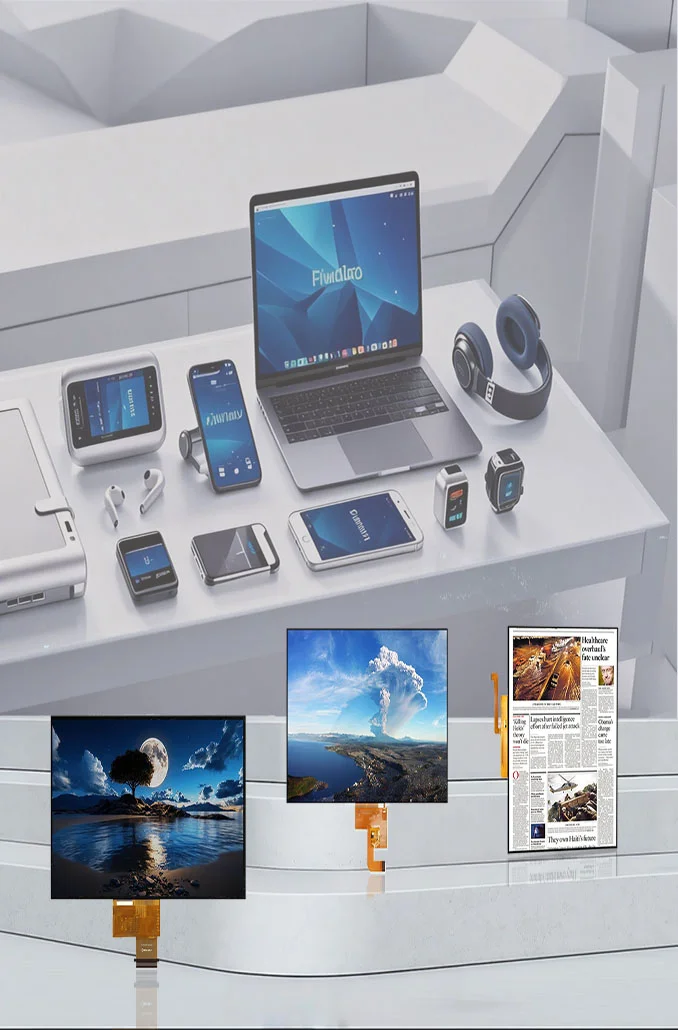








No, OLED (Organic Light-Emitting Diode) and LCD (Liquid Crystal Display) are fundamentally different display technologies. While both are ubiquitous in modern electronics, they operate on distinct physical principles. An LCD relies on a separate backlight to illuminate pixels through liquid crystals, acting like a shutter. In contrast, an OLED panel is self-emissive, meaning each individual pixel generates its own light and color. This core difference dictates everything from image quality and energy efficiency to manufacturing costs and lifespan.
The Anatomy of Display: How They Work
To understand the difference, we must look “under the hood” at the panel structure.
LCD: The Precision Modulator Think of an LCD screen as a complex sandwich. At the very back, there is a backlight unit (usually LEDs) that floods the screen with white light. This light passes through a layer of liquid crystals. These crystals act like microscopic blinds or shutters; when electricity is applied, they twist to block or allow light to pass through. Finally, the light hits a color filter (Red, Green, Blue) to create the image you see. Because the backlight is always on (even if the crystals are trying to block it), LCDs cannot produce perfect blacks.
有機EL: The Self-Emissive Artist OLED technology strips away the backlight and the liquid crystal layer. Instead, it uses a thin film of organic compounds placed between two conductors. When an electric current passes through these organic layers, they emit light directly. This means every single pixel is an independent light source. If an OLED pixel needs to be black, it simply turns off completely. This structural simplicity allows OLEDs to be incredibly thin and even flexible.
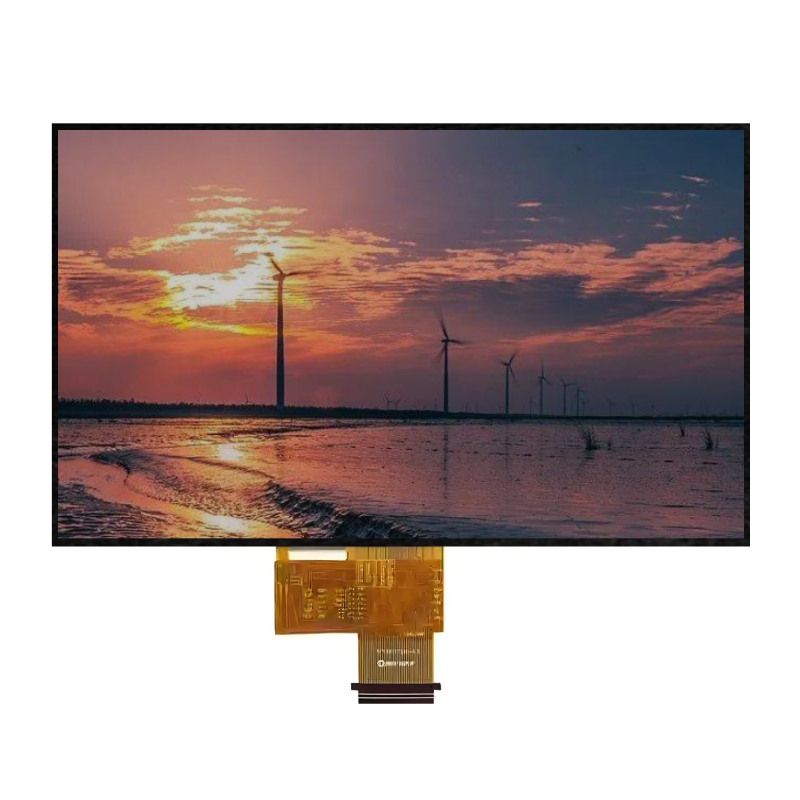
️ Head-to-Head Comparison
The following table breaks down the technical distinctions, advantages, and drawbacks of each technology based on current 2026 standards.
| 特徴 | OLED (Organic Light-Emitting Diode) | LCD (Liquid Crystal Display) |
|---|---|---|
| 光源 | Self-Emissive: Pixels generate their own light. | Transmissive: Requires a constant LED backlight. |
| ブラック・レベル | Perfect Black: Pixels turn off completely (0 nits). | Grayish Black: Light bleed (backlight leakage) is common. |
| コントラスト比 | Infinite: The difference between light and dark is absolute. | Limited: Typically 1,000:1 to 5,000:1 (unless using Mini-LED). |
| Response Time | Instant (< 0.1ms): Virtually zero motion blur. | Slower (1-5ms): Can exhibit ghosting in fast motion. |
| 寿命 | Moderate: Organic materials degrade over time (risk of burn-in). | Long: Inorganic materials are very durable. |
| Power Usage | Variable: Efficient with dark mode; drains fast with bright white. | Constant: Backlight consumes power regardless of image content. |
| Physical Form | Flexible: Can be curved, folded, or rollable. | Rigid: Generally flat and thicker due to backlight layers. |
| コスト | High: Complex manufacturing process. | Low to Moderate: Mature, cost-effective manufacturing. |
産業用途
The choice between these two technologies often dictates the device category.
Where OLED Dominates:
- Premium Smartphones: Almost all flagship phones (like the iPhone and Galaxy S series) use OLED for its vibrant colors and “always-on” display capabilities.
- High-End TVs & Monitors: For home theaters and competitive gaming, OLED’s infinite contrast and fast response times are unmatched.
- Wearables: Smartwatches utilize OLED because it can display bright information on a tiny, battery-saving black background.
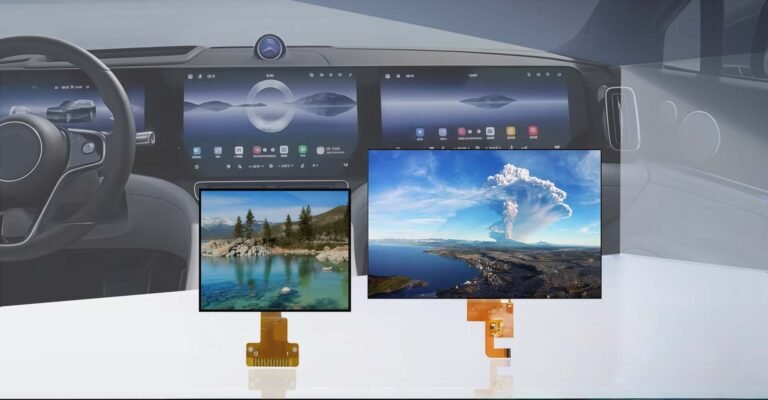
- 自動車: Modern dashboards are shifting to OLED for better visibility and design flexibility (curved screens).
Where LCD Persists:
- Budget Electronics: Entry-level TVs, monitors, and laptops still rely on LCD for affordability.
- Professional Monitors: For tasks requiring static images for long periods (like stock trading or coding), LCD is preferred to avoid burn-in risks.
- Outdoor/Industrial Displays: High-brightness LCDs are often better suited for direct sunlight applications where peak brightness is critical.
️ Selection Guide: Which One Should You Choose?
Choosing between OLED and LCD depends entirely on your usage environment and priorities.
Choose OLED if:
- You prioritize picture quality: You want the best possible contrast, deep blacks, and vibrant colors for movies or gaming.
- You use “Dark Mode”: Since black pixels are turned off, you save significant battery life on OLED devices.
- You need speed: For competitive gaming, the near-zero response time of OLED eliminates motion blur.
Choose LCD if:
- You are on a budget: You get more screen real estate for your money with LCD.
- You work in a bright room: LCDs generally handle glare better and can sustain high full-screen brightness without dimming (a common issue with OLEDs known as ABL).
- You display static content: If your screen shows the same news ticker or dashboard for 12 hours a day, an LCD will last longer without image retention issues.
よくある質問(FAQ)
No, they are not the same. OLED uses organic materials to emit light directly from each pixel, while LCD uses liquid crystals to block light from a separate backlight.
This is subjective. LCDs generally use DC dimming, which causes less flicker. OLEDs often use PWM dimming (flickering) at low brightness, which can cause eye strain for sensitive users, though high-frequency PWM is becoming common in 2026 to mitigate this.
Yes, OLEDs can suffer from burn-in (permanent image retention) if static images are displayed for thousands of hours. However, modern pixel-shifting technologies have significantly reduced this risk compared to early models.
OLED manufacturing is more complex and involves expensive organic materials. Additionally, the yield rate (the number of usable panels produced) is generally lower than that of mature LCD production lines.
Standard LCDs cannot. However, “Mini-LED” LCDs use thousands of tiny LEDs to create local dimming zones, getting closer to OLED’s black levels, though they may still suffer from “blooming” (a halo effect around bright objects).