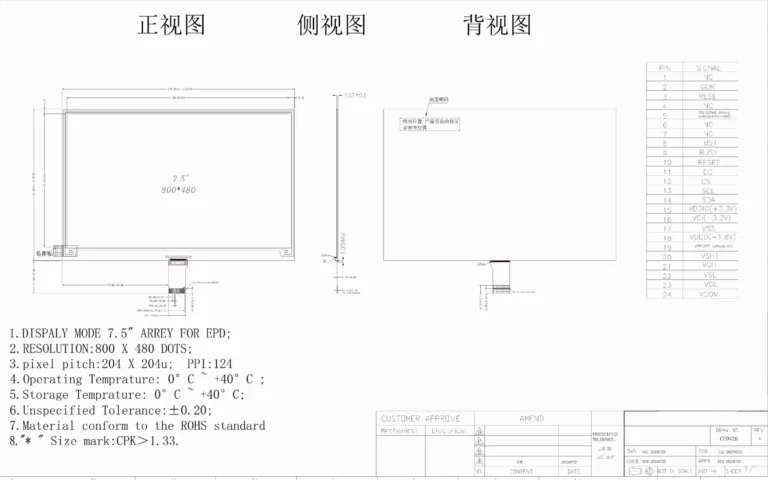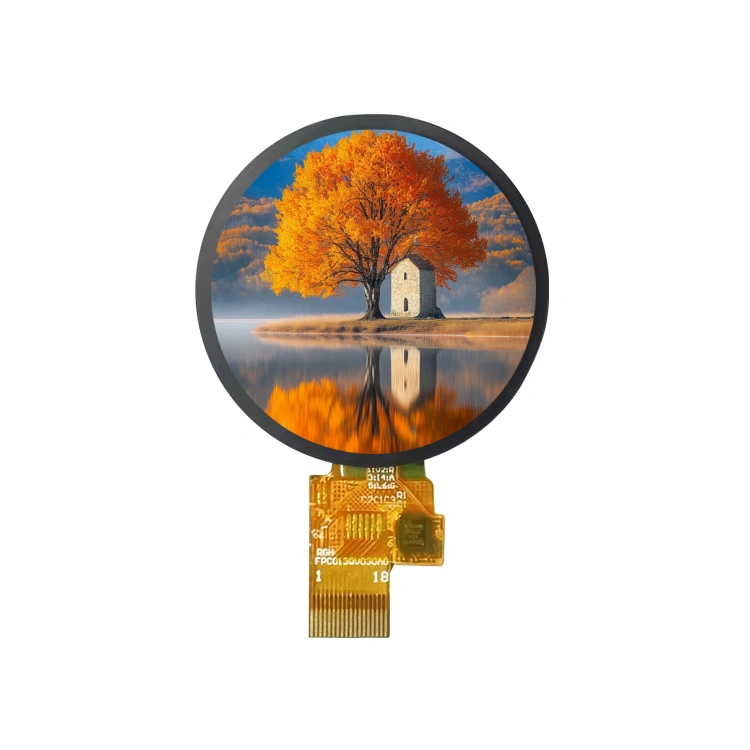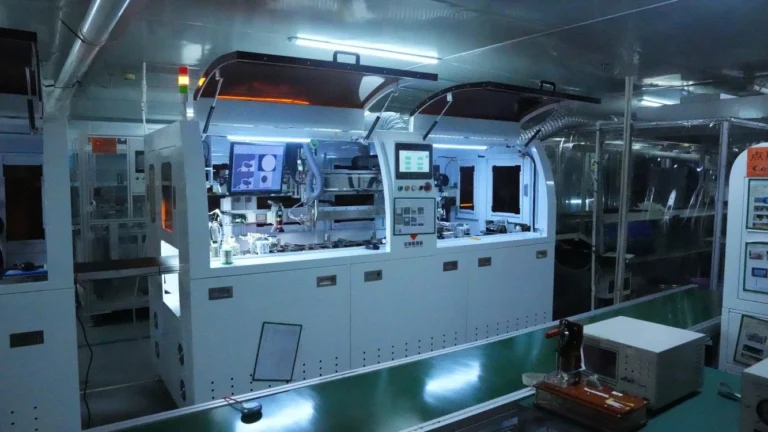





TFTディスプレイ は LCD(液晶ディスプレイ)の一種。具体的には、TFTは以下の略である。 薄膜トランジスタ, TFTは、画質、応答時間、色精度を向上させ、LCDの性能を高めるために使用される技術である。すべてのTFTディスプレイがLCDである一方で、すべてのLCDがTFTであるわけではない。.
TFT LCDとは?
A TFT LCD (薄膜トランジスタ液晶ディスプレイ)は、薄膜トランジスタを使って画面上の個々のピクセルを制御するフラットパネル・ディスプレイ技術である。行と列全体が同時にアクティブになるパッシブ・マトリクスLCDとは異なり、TFT LCDはアクティブ・マトリクス・システムを採用しており、各ピクセルは独自のトランジスタを持っている。.
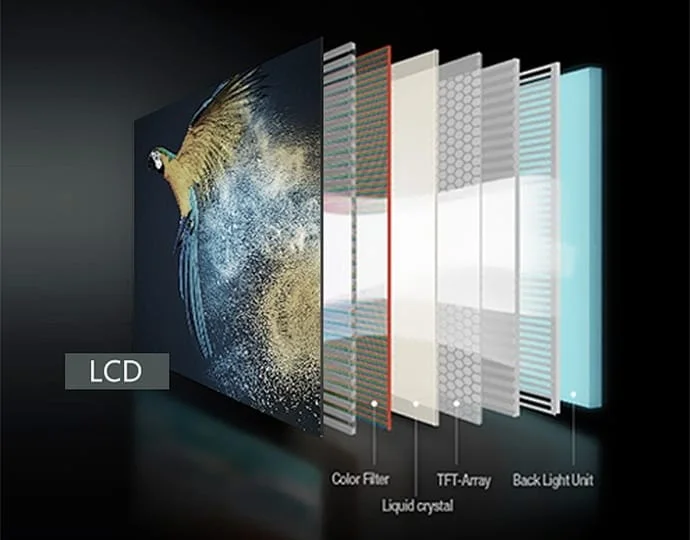
核となる構造には以下が含まれる:
- トランジスタ・グリッドを備えたガラス基板
- 光を変調する液晶層
- バックライト(通常はLED)
- フルカラー画像を生成するカラーフィルター
この設計により、民生用電子機器と産業用アプリケーションの両方に適した、高解像度、応答性、エネルギー効率の高いディスプレイが実現する。.
TFT液晶ディスプレイの仕組み
TFT LCDは、液晶を通して光の偏光を制御する原理に基づいて動作する。簡単に説明しよう:
- バックライト:LEDバックライトは白色発光。.
- 偏光フィルター:光は偏光フィルターを通過する。.
- 液晶:トランジスターからの電気信号がクリスタルをひねって光を通したり遮ったりする。.
- カラーフィルター:赤、緑、青のサブピクセルが組み合わさって色を形成する。.
- セカンドフィルター:最終偏光により、必要な光だけが視聴者に届く。.
各ピクセルはそれぞれ独立したトランジスタで制御され、正確な輝度とカラーマネージメントを可能にしている。.
TFTと他のLCDタイプ:比較表
| 特徴 | TFT LCD | パッシブ・マトリクスLCD | OLED(比較用) |
|---|---|---|---|
| 応答時間 | 高速(~1~5ミリ秒) | 遅い(~10~50ミリ秒) | 非常に速い (<1 ms) |
| コントラスト比 | 高(最大1000:1) | より低い(約100:1) | 極めて高い(理論上は無限大) |
| 視野角 | ワイド(160°以上)、ただし異なる場合がある | ナロー(60°~80) | エクセレント(>170) |
| 消費電力 | 中程度、バックライトによる | TFTより低い | 非常に低い(特に暗いとき) |
| 明るさ | 高(最大2500nits) | 限定 | 高いが、バーンインする可能性がある |
| 耐久性 | 長寿命 | 耐久性が低い | 湿気と紫外線に弱い |
| コスト | 中~高 | 低い | 高い |
TFT LCDは、性能、コスト、信頼性をバランスよく兼ね備えており、多くの用途に最適です。.
正しいTFT LCDの選び方
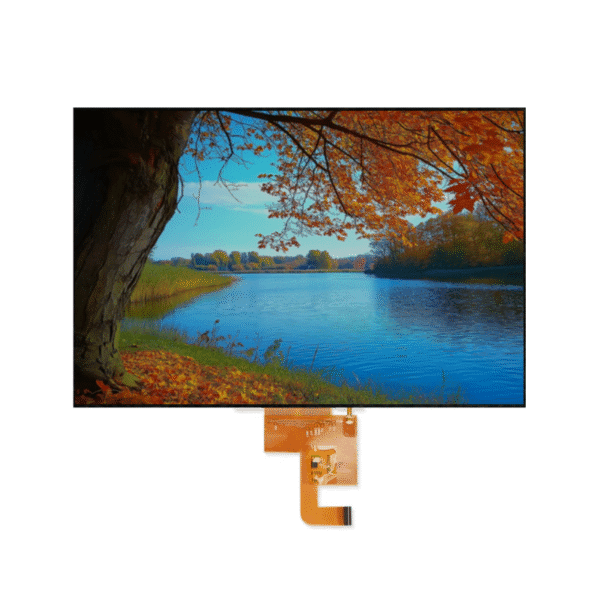
TFT LCD モ ジ ュ ールを選択す る 際には、 以下の重要なパ ラ メ ー タ ーを考慮 し て く だ さ い:
- 画面サイズ:小型のウェアラブルスクリーン(0.85″)から大型の産業用パネル(32″)まで。.
- 決議:一般的なオプションには、128×128、480×480、1920×1080などがあります。.
- 明るさ:屋外で使用する場合は、1000~2500nitを目安に。屋内では200~600nitで十分です。.
- インターフェース・タイプ:ホストシステムに応じて、SPI、MIPI、LVDS、またはRGB。.
- タッチ機能:静電容量式タッチはマルチタッチジェスチャーに対応し、ユーザーとのインタラクションに欠かせない。.
- ドライバーICの互換性:ST7735S、ILI9341、または必要に応じてカスタム IC との互換性を確認します。.
- フォームファクターと構造:丸型、角型、バー型、超薄型など、スペースに制約のある環境にも対応。.
例えば、こうだ、, JICTECHのTFT LCDモジュール は、これらすべてのパラメーターにわたって広範なカスタマイズを提供する。同社の製品ラインは、1.28″、5″、10.1″、さらには32″といった非標準サイズ、カスタマイズ可能な解像度、最大2500nitsの輝度レベル、SPI、MIPI、LVDSを含む複数のインターフェース・タイプをサポートしている。また、CST816DやGT911など、さまざまなタッチ技術をサポートし、ウェアラブル、車載ダッシュボード、医療機器に統合するための柔軟なフォームファクターを提供します。.
🔍 下記のJICTECHのパラメータ範囲をご参照ください:
| パラメーター・カテゴリー | 構成例 | 説明 |
|---|---|---|
| 画面サイズ | 0.66″、0.85″、1.28″、1.8″、2.4″、3.5″、5″、7″、10.1″、21.5″、32″、65″など。. | 非標準サイズあり |
| 決議 | 128×128、240×240、480×480、800×480、1920×1080など。. | カスタム解像度に対応 |
| 明るさ | 200nits、400nits、600nits、1000nits、2500nitsなど。. | 高輝度、低消費電力、広温度対応オプション |
| インターフェース・タイプ | SPI、RGB 18ビット、MCU、MIPI、LVDS、EDP | ホスト・プラットフォームに応じて推奨 |
| タッチ機能 | ノータッチ/静電容量式タッチ(CST816D、GT911、FTシリーズなど) | マルチタッチとジェスチャー認識のカスタマイズ |
| 視野角 | 全方向(ALL)、6時方向、12時方向 | 取り付け方向に適応 |
| ドライバーIC | ST7735S、ST7789シリーズ、ILI9341、ST7701Sなど. | メインストリームドライバーと互換性があり、カスタムICをサポート |
| フォームファクターと構造 | 丸型、角型、バー型、PCB付き、超薄型など。. | カスタムカット、ベゼルデザイン、機械的適応 |
| アプリケーション・シナリオ | ウェアラブルデバイス、産業制御、車載、医療、屋外ディスプレイなど。. | シナリオに最適化されたソリューション |
図:JICTECHは、画面サイズ、解像度、輝度、インターフェース、およびアプリケーション・シナリオにわたって、高度にカスタマイズ可能なTFT LCDモジュールを提供しています。.
業界を超えたアプリケーション
TFT LCDは汎用性が高く、多くの産業で広く使用されている:
- ウェアラブル・デバイス:スマートウォッチやフィットネストラッカーは、低消費電力でコンパクトな設計の恩恵を受けている。.
- 産業用制御盤:広い温度耐性と高輝度を備えた堅牢なディスプレイ。.
- 自動車:ダッシュボード、インフォテインメント・システム、HUDには、信頼性が高く、映り込みに強いスクリーンが必要です。.
- 医療機器:患者のバイタル測定用モニターには、高い精度と読み取りやすさが求められます。.
- 屋外ディスプレイ:デジタルサイネージやキオスク端末には、高輝度(1000nits以上)とアンチグレアコーティングが必要です。.
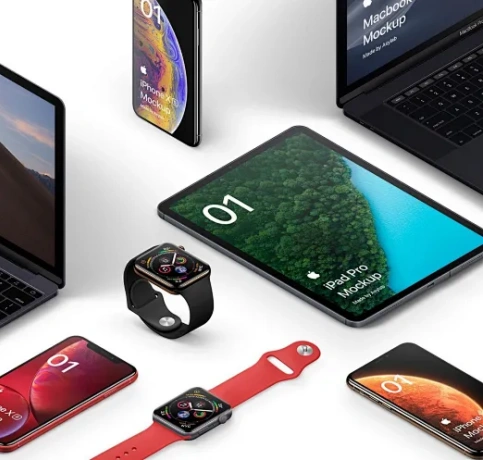
- コンシューマー・エレクトロニクス:タブレット、スマートフォン、ノートパソコンは、高解像度のTFTパネルに依存している。.
小型化と耐久性の進歩により、TFT LCDは、費用対効果と堅牢な性能が重要な市場を支配し続けている。.
TFT LCD技術の将来動向
OLEDとmicroLEDが普及しつつある一方で、TFT LCDは成熟度、拡張性、製造コストの低さにより、依然として優位を保っている。今後の主な動向は以下の通り:
- より高い輝度と屋外での視認性:バックライトと反射防止コーティングを強化し、太陽光に強いディスプレイを実現。.
- フレキシブル&カーブデザイン:材料の進歩により、曲げられるTFTパネルが可能になり、革新的なフォームファクターが実現。.
- 低消費電力ソリューション:最適化されたドライバICとローカルディミングにより、消費電力を削減。.
- AIとの統合:ジェスチャー認識、明るさ調整、内蔵アルゴリズムによるスマートキャリブレーション。.
- 規模に応じたカスタマイズ:JICTECHのようなメーカーは、オーダーメイドのソリューションを迅速に試作し、大量生産することができます。.
産業界がより特殊なディスプレイを求めるようになるにつれ、TFT LCDはより高い適応性と効率性をもって進化していくだろう。.
結論
要約すると, TFTディスプレイはLCDの一種です。, しかし、これは従来のパッシブ・マトリックスLCDを大きく進化させたものである。アクティブ・マトリクス・アーキテクチャーのおかげで、TFT LCDは優れた画質、高速応答時間、幅広いアプリケーションの可能性を実現している。JICTECHのようなメーカーに代表されるように、輝度、インターフェースの柔軟性、フォームファクター設計の革新が進む中、TFT LCDは現代のディスプレイ技術の要であり続けている。ウェアラブル技術、車載インターフェース、産業用制御機器など、適切なTFT LCDを選択するには、解像度、輝度、タッチ機能、環境要件などのバランスを考慮する必要があります。.
よくある質問 (FAQ)
Q1: TFTはLCDと同じですか?
A: 正確ではありません。TFTディスプレイはすべてLCDですが、すべてのLCDがTFTというわけではありません。TFTは、各ピクセルに薄膜トランジスタを使用した特定のタイプのLCDを指し、パッシブ・マトリクスLCDよりも優れた性能を発揮します。.
Q2: TFT LCDは屋外で使用できますか?
A: はい、特に高輝度(1000~2500nits)でアンチグレアコーティングを施したモデルです。JICTECHを含む多くのメーカーが屋外対応のTFTモジュールを提供しています。.
Q3: TFT LCDにはどのインターフェースを選べばよいですか?
A: ホスト・システムによって異なります。SPIはシンプルで低速、MIPIはモバイル機器に最適、LVDSとRGBは大型パネルで一般的です。お使いのプロセッサとの互換性を確認してください。.
Q4: TFT LCDはタッチに対応していますか?
A: はい、最近のTFT液晶ディスプレイのほとんどは静電容量式タッチに対応しており(CST816D、GT911など)、マルチタッチやジェスチャー認識が可能です。.
Q5: TFT液晶はOLEDより優れていますか?
A: ニーズによります。OLEDはより深い黒と薄いプロファイルを提供しますが、TFT LCDはより耐久性があり、焼き付きが起こりにくく、一般的に安価であるため、産業用や屋外用途に適しています。.