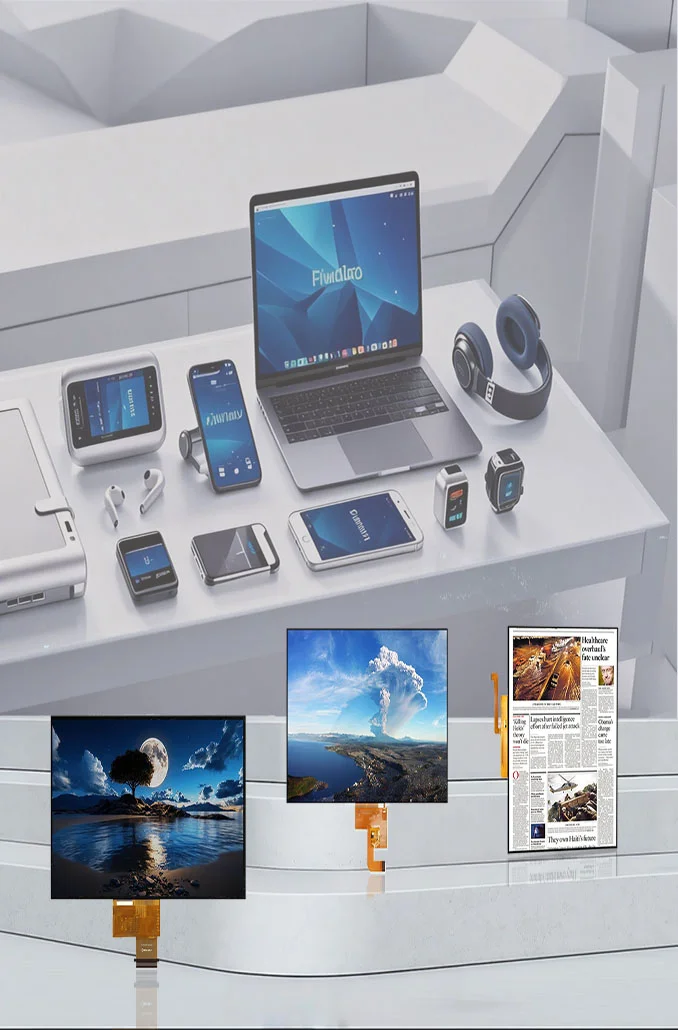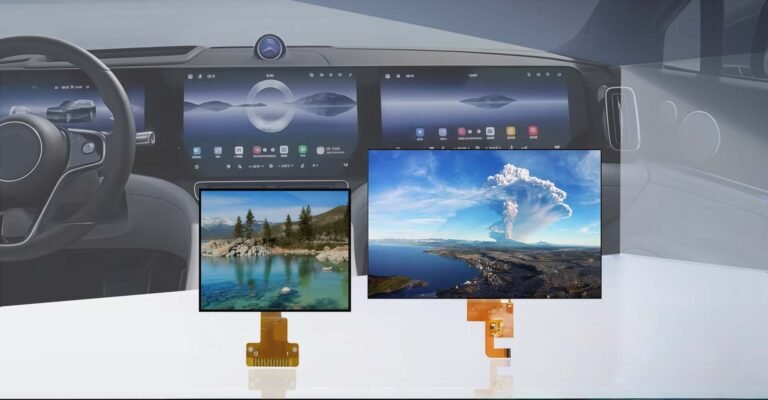




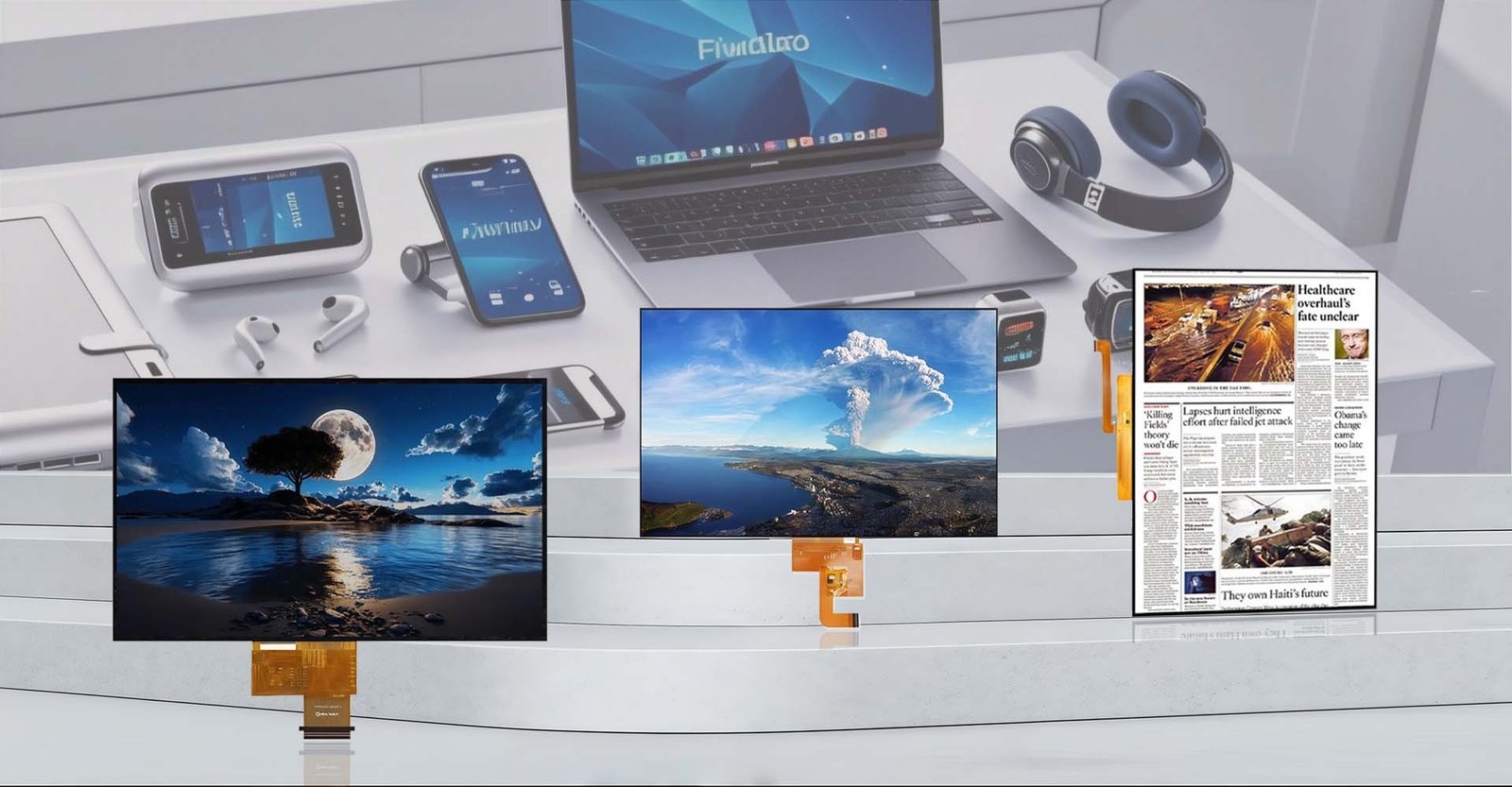

If you are peeling back the layers of mobile technology, you have likely encountered the term TFT. To answer the question directly: a TFT (Thin Film Transistor) display in a mobile device is a specific type of LCD (Liquid Crystal Display) that uses active matrix technology to control pixels. Unlike older passive displays, a TFT screen places a tiny transistor and capacitor at every single pixel intersection. This allows for precise voltage control, resulting in sharper images, faster response times, and better color reproduction. While often used as a catch-all term for high-quality LCDs, TFT is the fundamental “switching” technology that makes modern smartphone visuals possible.
The Anatomy of a Mobile TFT: Under the Glass
To truly understand the technical depth of a TFT display, we have to look past the marketing gloss and examine the semiconductor physics at play. In the context of mobile screens, TFT refers to the backplane—the layer responsible for switching the pixels on and off.
In a standard mobile TFT-LCD, the structure is a complex sandwich. At the bottom, you have the backlight (usually LED), followed by a rear polarizer, the TFT array glass substrate, the liquid crystal layer, color filters, and a front polarizer. The “TFT” part specifically refers to the array of transistors etched onto the glass.
Think of the TFT layer as a grid of microscopic electronic valves. When a specific row (Gate Line) is activated, the transistors in that row open like a gate. This allows the voltage from the column (Source Line) to charge the pixel electrode. Once charged, the pixel capacitor holds that voltage even after the transistor closes, maintaining the image stability until the next refresh cycle. This “active matrix” approach is what distinguishes high-end mobile displays from the blurry, slow-moving passive matrix screens of the past.
Technical Characteristics: The Material Science
When analyzing TFT technology for mobile applications, we must look at the material used for the transistor channel, as this dictates performance. There are three main generations you will encounter in the industry:
- a-Si (Amorphous Silicon): This is the legacy technology. It is cheap and easy to manufacture but has low electron mobility. In mobile terms, this means lower resolution limits and slower refresh rates. You might find this in budget entry-level smartphones.
- LTPS (Low-Temperature Polysilicon): This is the workhorse of the premium mobile market. By recrystallizing the silicon using laser annealing, LTPS offers much higher electron mobility (roughly 100 times that of a-Si). This allows for smaller transistors (higher pixel density/PPI), higher refresh rates (120Hz+), and the integration of driver circuits directly onto the glass (GOA technology), which reduces the bezel size.
- Oxide (IGZO – Indium Gallium Zinc Oxide): A newer contender that offers mobility between a-Si and LTPS but with significantly lower leakage current. This is crucial for mobile battery life, as it allows the screen to maintain an image with less frequent refreshing, enabling “always-on” display features without draining the battery.
TFT vs. The World: A Comparative Analysis
In the mobile ecosystem, TFT is often compared to OLED and older LCD variants. It is important to clarify that “TFT” is a transistor technology, while “OLED” is an emissive technology. However, in common parlance, “TFT” usually refers to a standard LCD with an LED backlight.
Here is how a standard mobile TFT-LCD stacks up against the competition:
| Merkmal | TFT-LCD (IPS/VA) | OLED / AMOLED |
|---|---|---|
| Lichtquelle | Requires a Backlight (LED) | Self-Emissive (Pixels create light) |
| Schwarzwerte | Grey-ish (Backlight always on) | Perfect Black (Pixel turns off) |
| Power Consumption | Constant (regardless of image) | Variable (darker images save power) |
| Lebenserwartung | Very High (No burn-in risk) | Moderate (Organic decay over time) |
| Kosten | Mature, Cost-effective | More expensive to manufacture |
While OLED offers superior contrast, TFT displays (specifically IPS panels driven by LTPS backplanes) still hold the crown for raw brightness and longevity. A TFT screen can get incredibly bright without the risk of permanent image retention (burn-in), making it ideal for outdoor mobile use.
Real-World Application: Why TFT Still Matters
From a professional standpoint, TFT technology is far from obsolete. While flagship phones chase the deep blacks of OLED, the vast majority of the world runs on TFT-LCDs.
The “IPS” (In-Plane Switching) panels you see in many mid-range phones are a type of TFT technology. They offer excellent viewing angles and color consistency. Furthermore, the evolution of Mini-LED backlighting is essentially a super-charged TFT display. By using thousands of tiny LEDs behind a TFT-LCD panel, manufacturers are achieving contrast ratios that rival OLED, proving that TFT architecture still has significant life left in the mobile roadmap.
Häufig gestellte Fragen (FAQ)
Yes, a TFT display is generally good for mobile use, particularly for users who prioritize screen brightness and battery longevity over deep blacks. Modern TFT panels (like IPS) offer sharp images and wide viewing angles suitable for daily tasks like browsing and video streaming.
Technically, a TFT screen is an LCD. The difference lies in the control mechanism. “LCD” is the broad category of liquid crystal displays, while “TFT” (Thin Film Transistor) refers to the active matrix technology used to control each pixel individually. All modern smartphone LCDs are TFT-LCDs.
Generally, yes. A TFT display requires a constant backlight to illuminate the screen, regardless of whether the image is white or black. In contrast, OLED screens light up individual pixels, meaning they consume significantly less power when displaying dark mode or black backgrounds.
Absolutely. While older TFT screens were limited to 60Hz, modern mobile TFTs using LTPS (Low-Temperature Polysilicon) or LTPO backplane technology can easily support high refresh rates of 90Hz, 120Hz, and even 144Hz for smooth gaming and scrolling.
This usually refers to older or budget TN (Twisted Nematic) TFT panels. However, most modern mobile devices use IPS (In-Plane Switching) TFT technology, which has largely solved this issue, providing consistent colors even when viewing the screen from the side.