







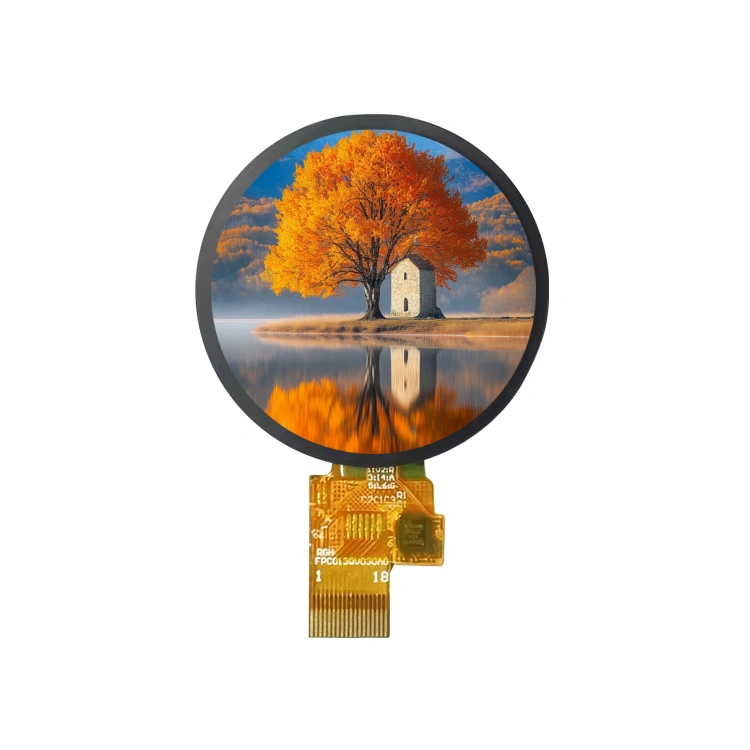

tft display pros and cons
TFT displays—specifically Thin-Film Transistor Liquid Crystal Displays—are widely used across industries such as consumer electronics, automotive displays, industrial and medical equipment, aviation, smart home appliances, smart logistics, robotics, and commercial services. Below is a detailed overview of the advantages and disadvantages of TFT displays to assist you in making an informed choice:
Advantages of TFT Displays:
- Low cost and mature supply chain: Manufacturing processes are well-established, tooling costs are low, and a wide range of sizes and specifications is available; modules can be customized in various shapes and sizes to meet specific needs.
- High brightness and sunlight readability: High-brightness backlighting ensures visibility in bright environments and direct sunlight, making them ideal for outdoor equipment, automotive displays, heavy machinery, and smart robots.
- Long lifespan and resistance to burn-in: TFT displays offer a lifespan of up to 100,000 hours, are resistant to image burn-in, and provide stable performance.
- Stable color performance: They offer high color accuracy and consistent brightness, making them highly suitable for industries requiring precise color rendering, such as industrial control panels and medical equipment displays.
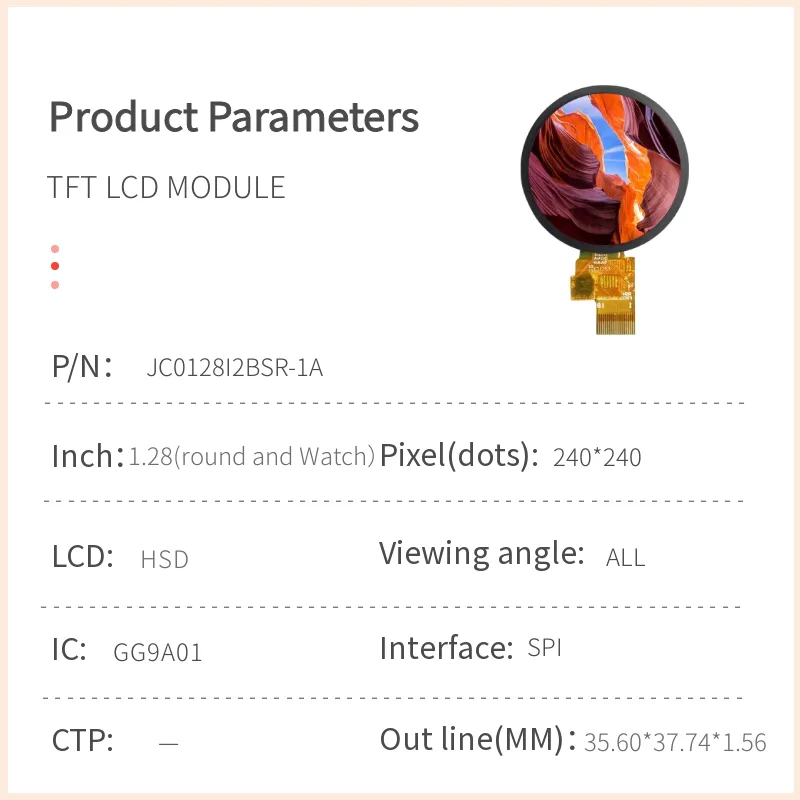
- High integration: A compact 1.28-inch TFT LCD can integrate millions of pixels and support 262K colors; they offer various interface options and fast response times.
Disadvantages of TFT Displays:
- Average contrast and black-level performance: Because they rely on backlighting, “black” areas often appear grayish rather than truly black.
- Greater thickness and weight: Due to the structural requirements of components like the backlight module, the overall unit tends to be bulkier.
- Higher power consumption: Factors such as vibrant colors, high color accuracy, and high brightness levels result in relatively high power consumption.