







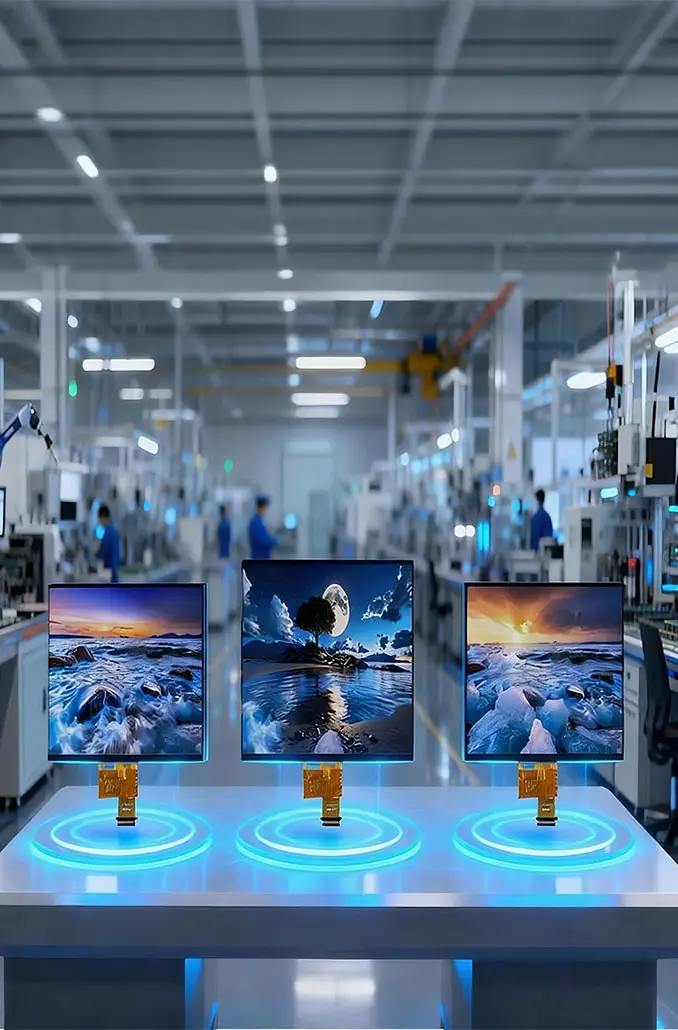

Choosing the right OLED display module is not just about picking a screen—it’s about aligning performance, reliability, and integration efficiency with your product goals. In this guide, I’ll walk through how to choose an OLED display module based on real-world engineering experience, covering key parameters like size, resolution, interface, power consumption, and application scenarios. If you’re sourcing for industrial, medical, or consumer electronics, these insights will help you avoid costly mistakes.
1. Understand OLED Display Module Basics Before Selection
Before diving into specifications, it’s important to understand what an OLED display module actually is. Unlike LCDs, OLED panels are self-emissive, meaning each pixel generates its own light. This leads to higher contrast ratios, faster response times, and thinner designs, making them ideal for compact and high-end applications.
From a practical selection perspective, engineers often search for “what is the best OLED display module for embedded systems” or “how OLED modules improve display performance in low-power devices”. The answer depends heavily on your use case—there’s no universal best option.
2. Choosing the Right OLED Display Size and Form Factor
One of the first decisions in how to choose an OLED display module size is balancing user experience with product constraints.
- Common size ranges: 0.49” to 7.0”
- Typical applications:
- Small sizes (0.9”–2.4”): wearable devices, handheld instruments
- Medium sizes (2.8”–5.5”): smart home panels, medical devices
- Larger sizes (5.5”+): automotive displays, industrial HMIs
Form factor also matters. Round, square, or custom-shaped OLED modules are often required for differentiated product design. Many engineers overlook mounting constraints—always check mechanical drawings and bezel dimensions early.
3. Resolution and Pixel Density: Matching Clarity with Cost
When evaluating OLED display resolution options, higher isn’t always better—it must match viewing distance and content type.
- Common resolutions:
- 128×64 (monochrome)
- 256×64 / 256×128
- 480×272, 800×480 (full color)
For UI-heavy applications, higher pixel density improves readability. For simple data display, a lower resolution reduces cost and power consumption.
A common mistake is over-specifying resolution, which increases BOM cost without improving user experience.
4. Interface Selection: SPI, I2C, or Parallel?
Choosing the right communication interface is critical for system integration. When selecting an OLED display module interface, consider your MCU/SoC capabilities.
- I2C: Simple wiring, slower speed (good for small displays)
- SPI: Faster, widely used in embedded systems
- Parallel (RGB/8080/6800): High speed, suitable for large displays
If your firmware team is limited, SPI is often the safest choice due to widespread support.
5. Driver IC Compatibility and Firmware Integration
A frequently overlooked factor in how to choose an OLED display driver IC is compatibility with your existing ecosystem.
Common driver ICs include:
- SSD1306 (monochrome)
- SSD1322 / SSD1351 (grayscale and color)
- SH1106 (alternative to SSD1306)
Always verify:
- Available libraries (Arduino, STM32, Linux)
- Initialization complexity
- Long-term supply stability
Choosing a well-supported driver IC can significantly reduce development time.
6. Color Options: Monochrome vs Full-Color OLED
When selecting an OLED display color type, the choice affects both cost and power.
- Monochrome (white, blue, yellow)
- Lower cost
- Lower power consumption
- Ideal for industrial and instrumentation
- Full-color OLED (RGB)
- Rich UI experience
- Higher cost and power usage
- Suitable for consumer electronics and automotive
If your UI is simple, monochrome is often the smarter engineering choice.
7. Power Consumption Considerations in OLED Modules
Power consumption is a critical factor in portable and battery-powered devices. Unlike LCDs, OLED power usage depends on content—brighter pixels consume more energy.
Key considerations:
- Average current consumption (mA)
- Display content (dark UI saves power)
- Sleep mode support
For low-power designs, optimizing UI design is just as important as choosing the right module.
8. Brightness and Outdoor Visibility
When evaluating OLED display brightness levels, consider your usage environment.
- Indoor applications: 100–300 nits
- Semi-outdoor: 300–600 nits
- Outdoor: 800+ nits (rare for OLED, consider alternatives)
OLED excels in contrast but may struggle in direct sunlight compared to high-brightness LCDs.
9. Touch Integration: Do You Need a Touch OLED Module?
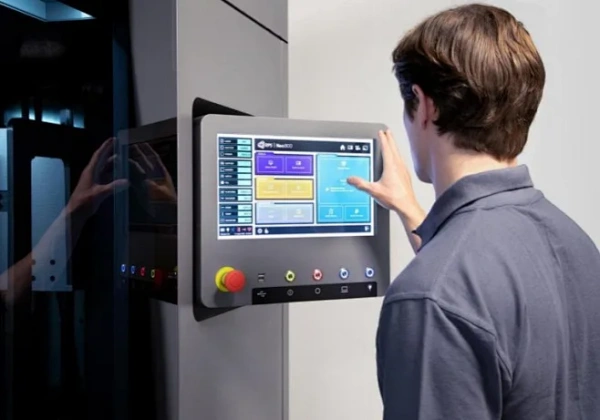
If your product requires user interaction, consider OLED display modules with touch panels.
- Capacitive touch (PCAP)
- Multi-touch support
- High sensitivity
- Higher cost
- Resistive touch
- Works with gloves
- Lower cost
- Less responsive
Touch integration affects stack thickness, optical clarity, and cost—plan early in the design phase.
10. Operating Temperature and Reliability
For industrial and automotive applications, OLED display operating temperature range is critical.
Typical specs:
- Operating: -20°C to 70°C
- Storage: -30°C to 80°C
High temperatures can accelerate OLED degradation, so always verify:
- Lifetime (hours)
- Burn-in risk
- Supplier reliability
11. Application-Based OLED Display Selection Guide
Different applications require different OLED specifications:
- Medical devices: high contrast, stable brightness
- Automotive displays: wide temperature range, sunlight readability
- Smart home panels: aesthetic design, touch integration
- Wearables: ultra-low power, small size
Always start from the application—not the spec sheet.
12. Conversion Path: From Selection to Mass Production (Jictech)
If you’re evaluating how to choose an OLED display module supplier, the process should go beyond specs.
A typical conversion path looks like this:
- Requirement confirmation
Define size, resolution, interface, and environment - Solution recommendation
Jictech provides matched OLED module options - Sample validation
Electrical, optical, and mechanical testing - Customization
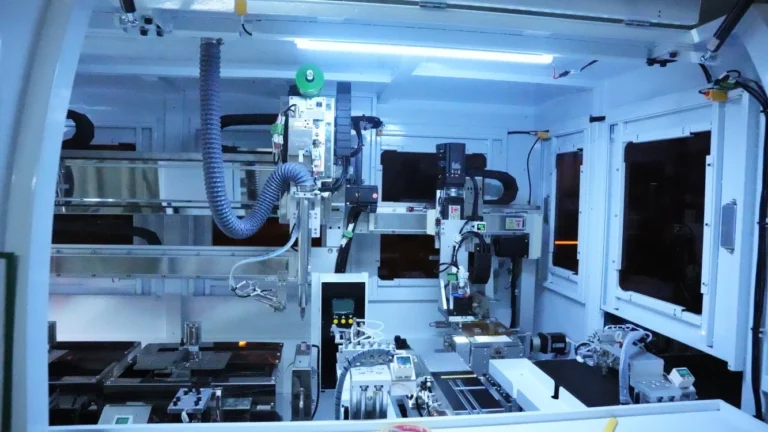
FPC design, interface tuning, touch integration - Pilot run → Mass production
Stable supply chain and quality control
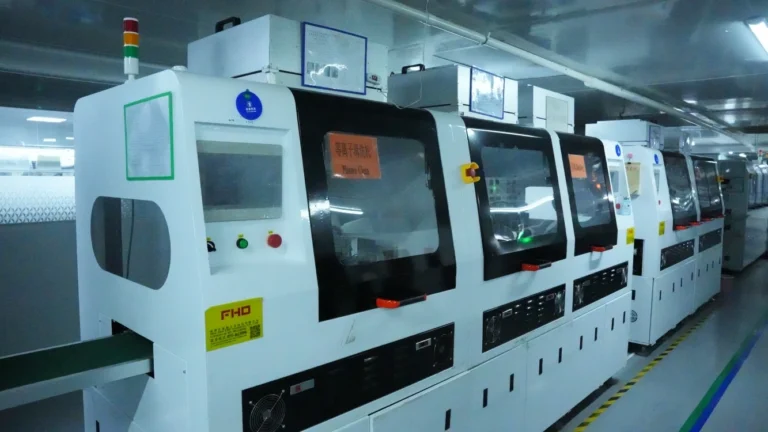
As a professional OLED display module manufacturer, Jictech focuses on customized solutions for industrial, medical, and automotive applications, ensuring long lifecycle support and engineering-level collaboration.
FAQs: How to Choose an OLED Display Module
The most critical factor is your application scenario. Size, interface, and power consumption should all align with your product requirements rather than choosing the highest specifications.
SPI is generally better for faster refresh rates and larger displays, while I2C is suitable for simpler, smaller modules with fewer pins.
OLED modules offer excellent contrast but limited brightness compared to LCDs, so they are not ideal for direct sunlight environments unless specially optimized.
Typical OLED lifespan ranges from 20,000 to 50,000 hours, depending on brightness levels and usage conditions.
Yes, most manufacturers (including Jictech) offer customization options such as size, interface, touch integration, and mechanical design to fit specific product needs.