









Introduction
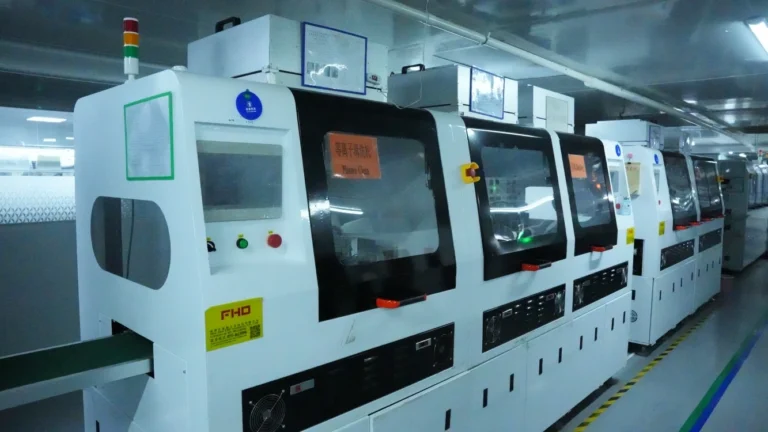
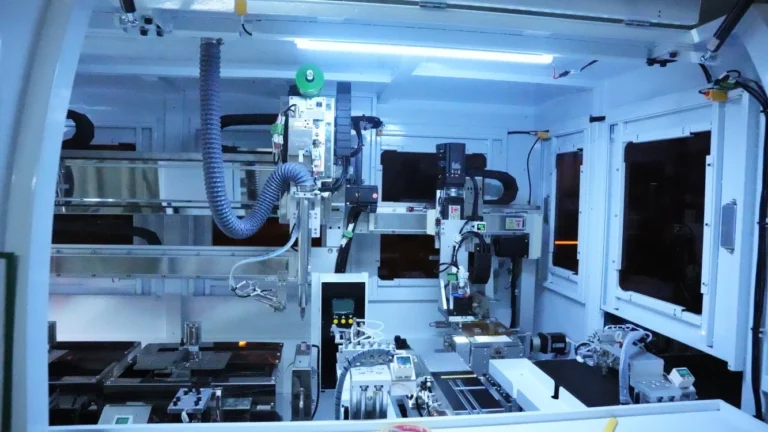
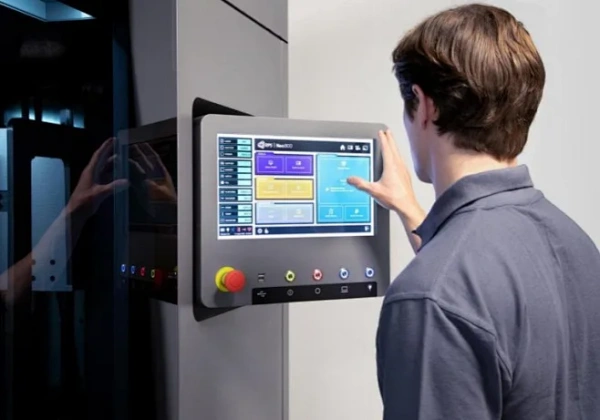
OLED (Organic Light-Emitting Diode) display modules have become a cornerstone of modern industrial design, offering self-emissive pixels, infinite contrast ratios, and extreme durability. Unlike traditional LCDs, OLEDs eliminate the need for backlights, enabling thinner, brighter, and more energy-efficient solutions. At Shenzhen JicTech LCD Co., Ltd., we specialize in industrial-grade OLED modules engineered for automotive, medical, and automation systems where reliability is non-negotiable.
Founded in 2003 and certified under IATF 16949, ISO 9001, and ISO 14001, we provide customized display solutions with high brightness (up to 140 cd/m²), ultra-wide viewing angles (170°+), and operating temperatures from -40°C to +85°C. Our product portfolio includes monochrome character LCDs, color TFTs, and OLED displays tailored for harsh environments.
1. What is an Industrial OLED Display Module?
An industrial OLED display module is a self-illuminating screen that generates light through organic compounds when voltage is applied. Unlike consumer OLEDs, our modules prioritize industrial-grade durability, with lifespans exceeding 50,000 hours and resistance to vibration, humidity, and temperature extremes.
JicTech’s Core Industrial OLED Products
| Model | Size | Resolution | Key Features | Certifications |
|---|---|---|---|---|
| 0.96-inch Ultra-Low Power OLED | 0.96″ | 128×64 | -40°C to +85°C, <1.5mA sleep current | IATF 16949, ISO 9001 |
| 1.3-inch Industrial OLED | 1.3″ | 128×64 | 2000:1 contrast, COG design | IATF 16949 |
| 2.23-inch High-Brightness OLED | 2.23″ | 128×64 | 140 cd/m² brightness, 50k-hour lifespan | ISO 9001 |
| 3.12-inch Wide OLED | 3.12″ | 256×64 | 1.45mm thin profile, 2.8–5.5V input | ISO 14001 |
Why industrial? Consumer OLEDs (e.g., smartphones) fail at -20°C. JicTech’s modules are tested to MIL-STD-810G for vibration/temperature extremes.
2. Structure and Components of Industrial OLED Modules
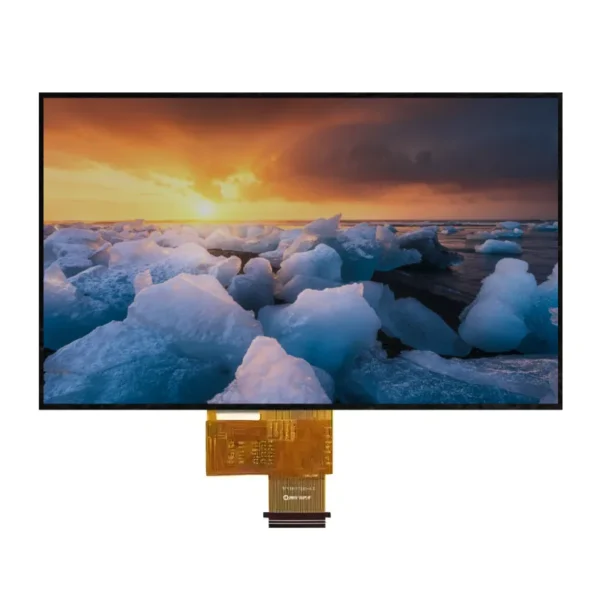
Our industrial OLED modules consist of five critical layers:
- Substrate: Glass or flexible polymer (e.g., polyimide) for structural support.
- Anode: ITO (Indium Tin Oxide) for hole injection.
- Organic Layers:
- Hole Transport Layer (HTL)
- Emissive Layer (EML): Composed of red, green, or blue organic materials.
- Electron Transport Layer (ETL)
- Cathode: Low-work-function metal (e.g., Mg-Ag alloy) for electron injection.
- Encapsulation: Anti-reflective coating and protective barrier for humidity/UV resistance.
3. How Industrial OLED Modules Work
OLEDs operate through electroluminescence, where electrons and holes recombine in the emissive layer to produce photons:
- Voltage Application: Current is applied between anode and cathode.
- Charge Injection: Holes (positive charges) and electrons are injected into organic layers.
- Recombination: Electrons and holes meet in the emissive layer, forming excitons.
- Light Emission: Excitons release energy as photons, with color determined by organic material (e.g., blue for DPVBi, green for Alq3).
Advantages Over LCD:
- No Backlight Required: 60% lower power consumption in dark scenes.
- Wider Viewing Angles: Maintains color accuracy at 170° angles.
- Thinner and Lighter: Enables compact designs (e.g., 1.45mm thickness for 3.12-inch module).
4. Key Advantages of Industrial OLED Modules
| Feature | Technical Benefit | JicTech Product Example |
|---|---|---|
| Ultra-Low Power | 60% less energy than LCDs in dark interfaces (e.g., night mode) | 0.96-inch module (<1.5mA sleep) |
| High Contrast (2000:1) | Clear visibility in direct sunlight (e.g., outdoor kiosks) | 3.12-inch module (256×64 pixels) |
| Flexible Integration | COG (Chip-on-Glass) design fits tight spaces (e.g., automotive clusters) | 1.3-inch industrial OLED |
| Custom Interfaces | SPI/I²C/Parallel support for legacy systems | 2.42-inch module (multi-interface) |
5. Applications of Industrial OLED Modules
JicTech’s OLED modules are deployed in critical industrial systems:
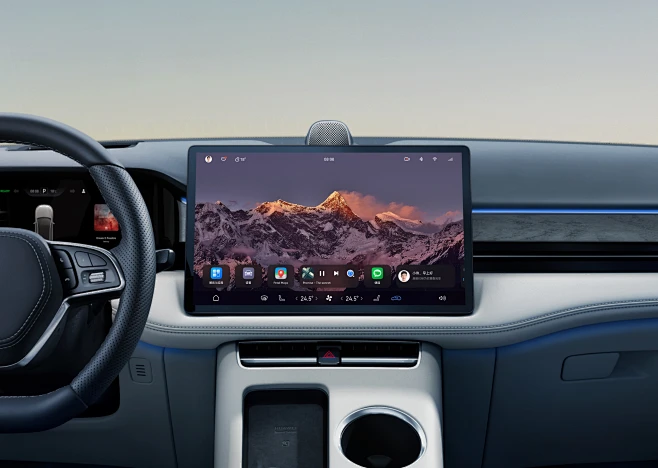
- Automotive: 1.3-inch OLEDs power instrument clusters in electric vehicles (IATF 16949 certified), surviving 85°C engine bay heat and 20G vibration.
- Medical: 3.12-inch OLEDs in patient monitors (2000:1 contrast) ensure critical data visibility during surgery, even in bright OR lights.
- Industrial Automation: 2.23-inch modules in PLC control panels (50k-hour lifespan) reduce downtime in factory automation.
6. Choosing the Right Industrial OLED Module
JicTech eliminates one-size-fits-all with true vertical integration:
- Share specs: Resolution, size, interface (SPI/I²C), operating temp range.
- Prototype in 7 days: R&D team validates with your PCB layout.
- Mass production: MOQ as low as 50 units (no minimums for low-volume projects).
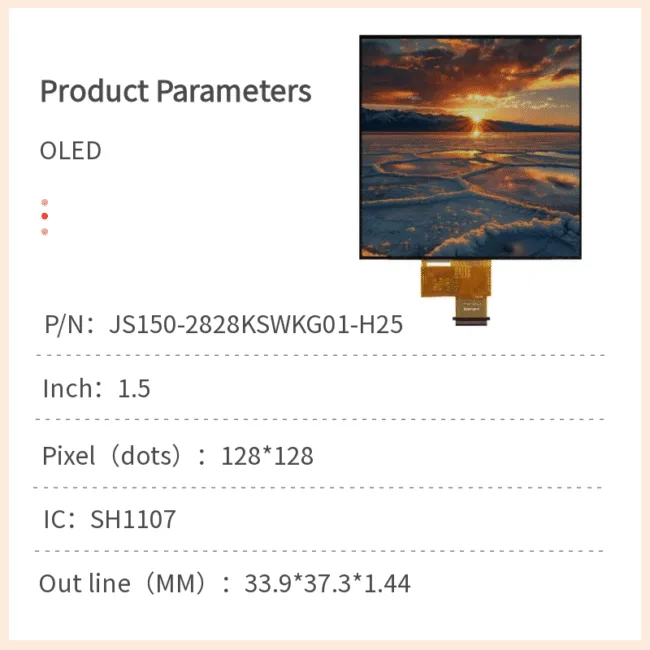
⚙️ Example: A German medical device client needed a 1.5-inch OLED with 128×128 resolution and IP67 rating. JicTech delivered a custom module in 10 days.
7. FAQs: Industrial OLED Questions Answered
Q: Can JicTech OLEDs handle continuous static displays (e.g., a “24/7” status screen)?
A: Yes. Our modules include dynamic pixel shifting (e.g., in 2.23-inch model) to prevent burn-in. We also offer 50k-hour lifespan guarantees.
Q: Are your OLEDs compatible with existing industrial control systems?
A: Absolutely. We support SPI, I²C, and 8080 parallel interfaces (e.g., 2.42-inch module) to match legacy controllers.
Q: What’s the lead time for custom orders?
A: Prototype: 7 days. Mass production: 15–25 days (vs. industry average of 45+ days).
Conclusion: The Industrial OLED Standard
While consumer OLEDs dazzle, industrial OLEDs must endure. JicTech’s modules—built on IATF 16949-certified manufacturing, 50,000-hour lifespans, and true customization—are engineered for systems that cannot fail.
Ready to integrate industrial-grade OLED into your next project?
→ Get a Free Custom Quote (24-hour response)
→ Explore Our Industrial OLED Catalog
Shenzhen JicTech LCD Co., Ltd. | Since 2003 | ISO 9001 | IATF 16949 | Industrial Display Specialists