







A TFT (Thin Film Transistor) display is a type of active-matrix LCD that uses a dedicated transistor for each pixel, enabling precise control, high resolution, and fast response times. The primary use of a TFT display is to provide high-quality visual output in a vast range of electronic devices, from consumer gadgets like smartphones and monitors to mission-critical industrial machinery and medical equipment. Its versatility stems from its ability to deliver clear, vibrant images with excellent stability, making it the go-to technology for applications requiring reliable and detailed information display.
The Technology Behind the Screen: Understanding TFT Displays
To truly grasp the utility of a TFT display, one must first understand the technology that powers it. Unlike passive-matrix LCDs, which were common in older devices and suffered from slow response times and blurry images, a TFT display employs an active matrix. This means that every single pixel on the screen is controlled by its own microscopic transistor. This architecture allows for rapid and precise switching of each pixel, which translates directly into the sharp, clear, and dynamic visuals we expect from modern screens.
The core of a TFT LCD is a sandwich of layers. A backlight, typically composed of LEDs, provides a uniform source of light. This light then passes through a series of polarizing filters and a layer of liquid crystal molecules. The TFT array, acting as a sophisticated gatekeeper, applies specific voltages to each pixel. This voltage manipulates the alignment of the liquid crystals, either blocking the light or allowing it to pass through to the color filters and, ultimately, to your eyes. This precise control over light at the pixel level is what gives TFT displays their superior image quality and color accuracy compared to older display technologies.
A Spectrum of Applications: Where TFT Displays Power Innovation
The versatility of TFT display technology has led to its widespread adoption across a multitude of industries. Its ability to render detailed information clearly and reliably makes it an indispensable component in both everyday consumer products and specialized professional equipment.
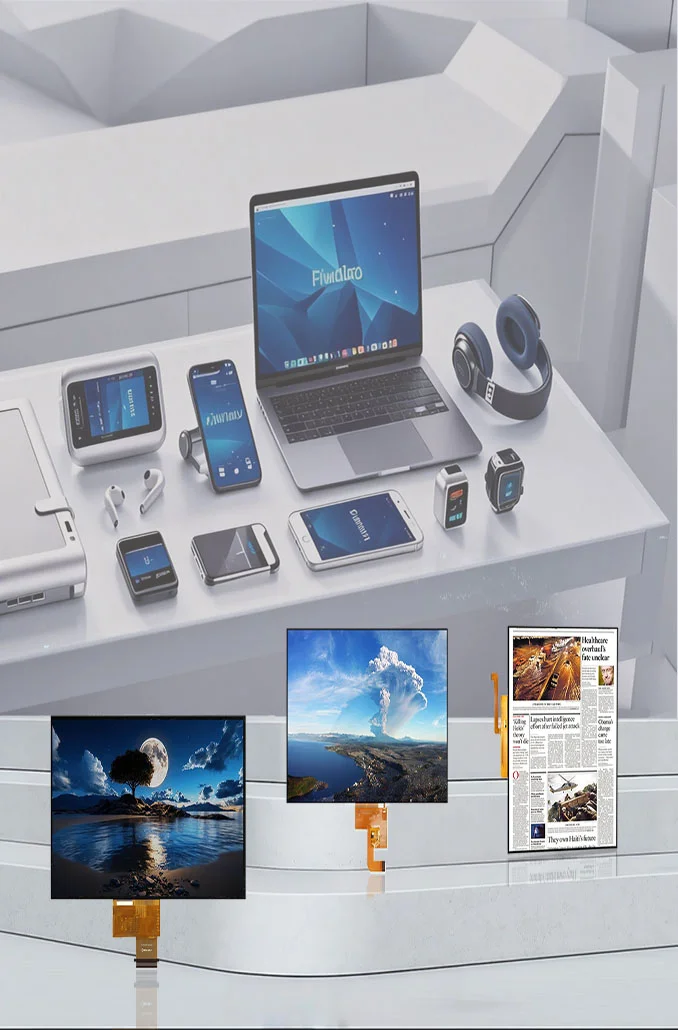
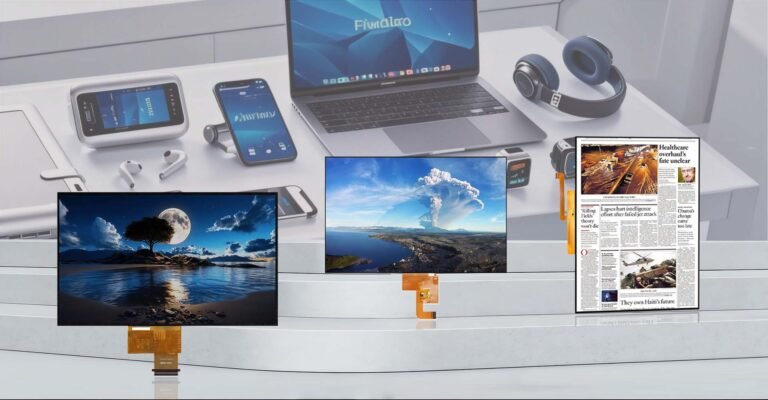
In the realm of consumer electronics, TFT displays are ubiquitous. They form the vibrant, high-resolution screens of smartphones, tablets, laptops, and computer monitors. In televisions, they deliver the crisp images and smooth motion required for an immersive viewing experience. Their thin, lightweight profile is a key factor in the sleek design of modern portable devices.
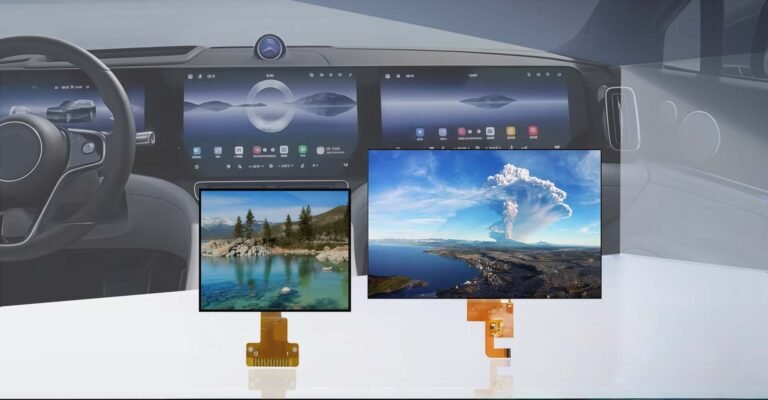
The automotive industry relies heavily on TFT displays for a variety of applications. They are the backbone of modern dashboard instrument clusters, providing drivers with clear, real-time information on speed, fuel levels, and engine diagnostics. Furthermore, they are central to infotainment systems, GPS navigation, and rear-view camera displays, significantly enhancing driver convenience and safety.
In industrial and medical fields, the robustness and clarity of TFT displays are paramount. They serve as the primary Human-Machine Interface (HMI) on factory floors, allowing operators to monitor complex processes, control machinery, and respond to alerts with confidence. In medical equipment, such as patient monitors, ultrasound machines, and diagnostic imaging systems, the high resolution and accurate color reproduction of TFT screens are critical for interpreting vital signs and medical imagery, directly impacting patient care.
The Competitive Edge: Key Advantages of TFT Technology
Choosing a TFT display over other technologies offers a distinct set of advantages that make it a reliable choice for many applications. These benefits are rooted in the fundamental design of the active-matrix system.
- Superior Image Quality: The individual control of each pixel allows for high resolutions, excellent contrast, and vibrant color reproduction. This ensures that text is sharp, images are detailed, and videos are smooth, providing a superior visual experience.
- Fast Response Times: TFT technology enables pixels to change states very quickly. This rapid response minimizes motion blur and ghosting, which is crucial for displaying fast-moving content in video games, action movies, and dynamic industrial processes.
- High Stability and Longevity: Unlike some newer display technologies, TFT LCDs do not suffer from screen burn-in, where static images can become permanently etched onto the screen. This makes them ideal for applications that display static information for long periods, such as dashboards, control panels, and public information displays.
- Excellent Brightness and Readability: TFT displays can achieve high levels of brightness, making them easily readable even in brightly lit environments, including direct sunlight. This is a critical feature for outdoor applications, automotive displays, and devices used in well-lit industrial settings.
Making the Right Choice: A Guide to Selecting a TFT Display
Selecting the appropriate TFT display for a specific application requires careful consideration of several key technical parameters. Understanding these factors will ensure the chosen screen meets the performance and environmental demands of the project.
- Resolution and Size: The resolution (e.g., HD, Full HD, 4K) determines the level of detail the screen can show, while the physical size must fit the device’s form factor. A higher pixel density generally results in a sharper image.
- Brightness and Contrast Ratio: For indoor use, a standard brightness level is often sufficient. However, for outdoor or high-ambient-light applications, a high-brightness panel (measured in nits or cd/m²) is essential. A high contrast ratio ensures deep blacks and bright whites, contributing to a more dynamic image.
- Viewing Angle: This specifies the maximum angle from which the screen can be viewed without significant color or contrast degradation. In-Plane Switching (IPS) is a common TFT technology that offers wide viewing angles, which is important for applications where the screen will be viewed from various positions.
- Operating Temperature Range: Standard TFT displays are designed for commercial temperature ranges. For industrial, automotive, or outdoor applications, it is crucial to select a display with a wide operating temperature range (e.g., -20°C to 70°C) to ensure reliable performance in extreme conditions.
- Interface and Connectivity: The display must have a compatible interface (e.g., HDMI, LVDS, MIPI, RGB) to connect seamlessly with the system’s main processor or controller.
Frequently Asked Questions (FAQ)
The primary function of a TFT display is to provide high-resolution, full-color visual output for electronic devices. It achieves this by using a thin-film transistor to individually control each pixel, allowing for precise manipulation of light and color to create clear and detailed images.
TFT displays are used in a vast array of applications, including consumer electronics (smartphones, tablets, TVs, monitors), automotive systems (dashboards, infotainment, navigation), industrial equipment (HMIs, control panels), and medical devices (patient monitors, diagnostic imaging systems).
Key advantages include superior image quality with high resolution and vibrant colors, fast response times for smooth video playback, high brightness for excellent readability in various lighting conditions, and long-term stability without the risk of screen burn-in.
For outdoor use, prioritize a TFT display with high brightness (typically 700 nits or more) to ensure visibility in direct sunlight. Additionally, consider a wide operating temperature range and a screen with an optical bonding process to reduce reflections and improve durability against moisture and dust.
IPS (In-Plane Switching) is a type of TFT technology. While standard TFT panels (like TN) can have limited viewing angles and color accuracy, IPS TFT displays offer significantly wider viewing angles and superior color reproduction, making them ideal for applications where the screen will be viewed from the side or where color fidelity is critical.