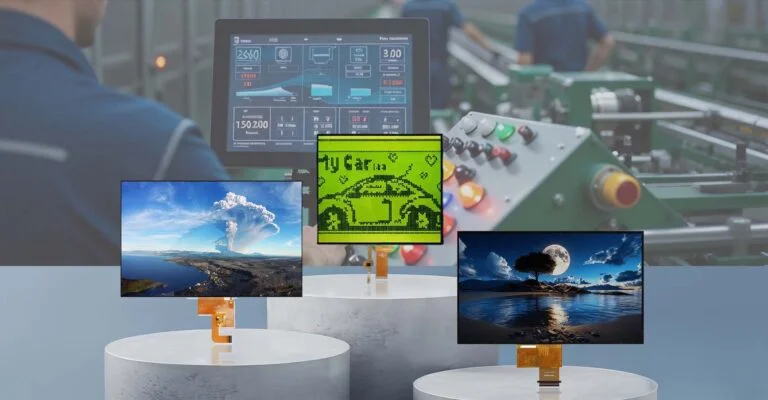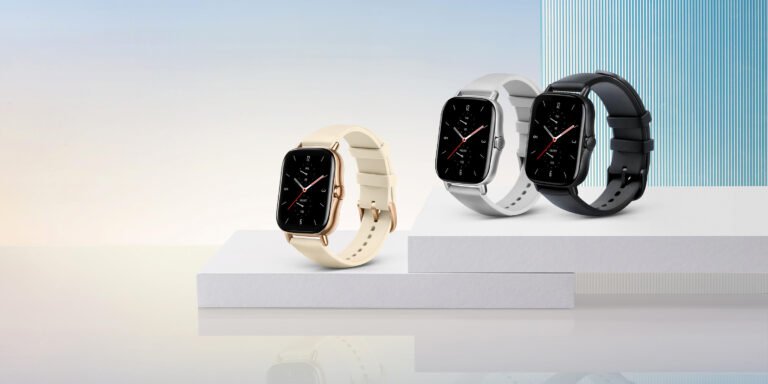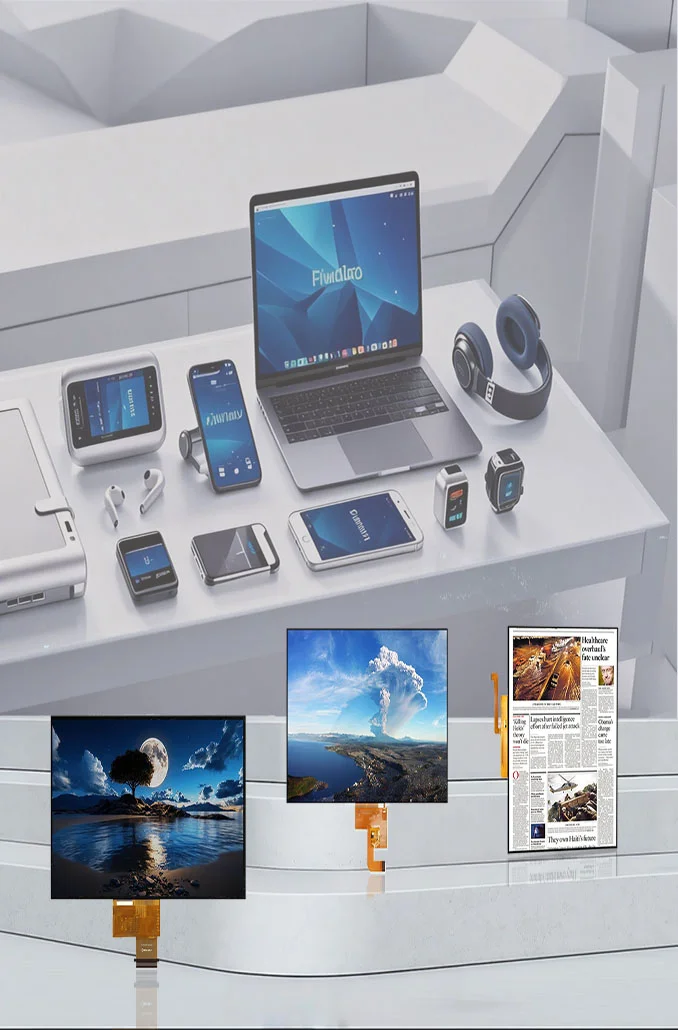









Selecting the right TFT LCD module manufacturer is a critical decision that can significantly impact the success of your electronic product. It’s not merely about finding a supplier; it’s about forging a partnership with a technically proficient, reliable, and forward-thinking entity. A poor choice can lead to costly redesigns, production delays, and a subpar end-user experience. This guide, drawing from years of industry experience, will walk you through the essential criteria for evaluating and choosing a top-tier TFT LCD module manufacturer.
Technical Capability: The Foundation of a Strong Partnership
A manufacturer’s technical prowess is the bedrock of any successful project. You need a partner who doesn’t just assemble components but truly understands the underlying physics and electronics of display technology.
- In-depth Engineering Expertise: Look for a manufacturer with a strong engineering team capable of guiding you through complex decisions. Can they advise on the optimal interface for your application, be it SPI for low-power embedded systems, RGB for high-resolution displays, or LVDS/MIPI for high-speed data transmission? Their ability to navigate these choices is a key indicator of their depth.
- Problem-Solving Acumen: The best manufacturers act as an extension of your R&D team. They should have a proven track record of solving intricate display challenges, such as mitigating image sticking (or “ghosting”), managing condensation in high-humidity environments, or ensuring readability under direct sunlight. Ask for specific case studies where their technical intervention was crucial to a project’s success.
- Backlight and Driver Design: A competent manufacturer will have in-house expertise in designing LCD backlight driver circuits. This is critical for achieving uniform brightness, optimizing power consumption, and implementing features like PWM dimming effectively.
Product Range and Environmental Suitability
The breadth and depth of a manufacturer’s product portfolio are a testament to their experience and flexibility. A one-size-fits-all approach rarely works in the diverse world of embedded displays.
- Comprehensive Portfolio: Evaluate their offerings across various sizes, from compact 0.96-inch modules for wearables to larger 15.6-inch screens for industrial panels. Do they offer different display types, including standard TFT, high-brightness models, and even OLED options? A wide range suggests they can cater to your current and future needs.
- Operating Temperature Range: This is a non-negotiable parameter for many applications. For industrial, automotive, or outdoor use, you’ll need a manufacturer specializing in wide-temperature LCD modules. Ensure their products are rated for the full spectrum of your product’s operating environment, typically from -30°C to 85°C, without compromising performance or longevity.
- Optical Performance: Scrutinize key optical specifications like brightness (nits), contrast ratio, viewing angle, and color gamut. A reputable manufacturer will provide detailed datasheets and can often customize optical films (e.g., transmissive, transflective) to match your specific lighting conditions.
Manufacturing Prowess and Quality Assurance
A brilliant design is worthless without the manufacturing capability to produce it consistently and reliably. The production process for a TFT LCD module is intricate, involving the precise assembly of the TFT glass, color filter, liquid crystal cell, driver ICs, and backlight unit.
- In-house Production: Prioritize manufacturers with a complete in-house production line. This gives them direct control over every stage, from the Cell process (where the liquid crystal is injected) to the Module process (where driver ICs are bonded using technologies like COG – Chip on Glass). This vertical integration is crucial for maintaining quality and managing costs.
- Rigorous Quality Control (QC): Inquire about their QC protocols at each step of the manufacturing flow. This should include electrical testing (for open/short circuits), optical inspections (for brightness uniformity and pixel defects), and environmental reliability testing (such as high-temperature aging and thermal cycling). A low defect rate, often achieved by optimizing processes like ACF (Anisotropic Conductive Film) bonding, is a strong sign of a mature manufacturing operation.
- Certifications: Compliance with international standards is a must. Look for manufacturers certified under ISO 9001 for quality management. For specific industries, certifications like IATF 16949 for automotive or ISO 13485 for medical devices are invaluable indicators of a robust and audited quality system.
Customization and Project Management
Off-the-shelf components are convenient, but true innovation often requires customization. The ability of a manufacturer to adapt to your unique requirements is a major differentiator.
- Flexible Customization: Can they modify the mechanical dimensions, support custom interfaces, or alter the brightness levels? The best partners offer a high degree of flexibility, allowing you to tailor the display module to your product’s exact specifications, including support for custom shapes or circular displays.
- Structured Management Process: A professional manufacturer will have a well-defined project management. From the initial inquiry and feasibility study to prototyping, sample approval, and mass production, every stage should be transparent. They should provide clear timelines, regular updates, and a single point of contact to streamline communication and ensure your project stays on track.
Value, Innovation, and Supply Chain Reliability
While cost is always a factor, the true measure of value lies in the total cost of ownership, which includes quality, support, and reliability.
- Cost-Effectiveness: The lowest price often comes with hidden costs, such as poor quality or inadequate support. Seek a manufacturer that offers a competitive price for a high-quality, reliable product. Their ability to manage their supply chain efficiently and optimize production processes will be reflected in a fair and justifiable price.
- Commitment to Innovation: The display industry is constantly evolving. Partner with a manufacturer that invests in R&D. Are they exploring new technologies like smart TFT modules with integrated touch controllers or advanced low-power solutions? A forward-looking partner can provide you with a competitive edge.
- Supply Chain Stability: A robust and diversified supply chain is essential for ensuring consistent production and on-time delivery. Inquire about their relationships with key component suppliers (e.g., for LCD panels, driver ICs, LEDs) and their inventory management strategies. This is critical to avoid disruptions, especially during periods of high market demand.
After-Sales Service and Technical Support
The relationship with your manufacturer shouldn’t end when the products are shipped. Exceptional after-sales service and technical support are what build long-term partnerships.
- Responsive Support: Choose a manufacturer known for its responsive and helpful technical support team. They should be readily available to assist with integration issues, provide firmware guidance, and troubleshoot any problems that arise during your product’s lifecycle.
- Warranty and Reliability: A clear and fair warranty policy demonstrates confidence in their product’s quality. Look for a manufacturer that stands behind its products and offers reliable solutions for any quality-related issues, ensuring your peace of mind.
Experience and Reputation
A manufacturer’s history and standing in the industry provide valuable insights into their reliability and capability.
- Proven Track Record: Look for a company with years of experience and a portfolio of successful projects. A manufacturer that has served well-known brands in industries like industrial automation, medical devices, or automotive is more likely to understand and meet high standards.
- Industry Recognition: Awards, patents, and designations such as “National High-tech Enterprise” or “Specialized and Sophisticated ‘Little Giant’ Enterprise” are strong indicators of a company’s innovation, technical strength, and market reputation.
Your Path to the Perfect Display Partner
Navigating the complexities of selecting a TFT LCD module manufacturer requires a partner who combines deep technical expertise with a commitment to quality and customer success. You need more than a vendor; you need a solutions provider.
Jictech is a professional TFT LCD Module Manufacturer dedicated to empowering your innovations. We specialize in providing high-quality, reliable display solutions tailored to the demanding requirements of industrial, medical, and consumer applications. From wide-temperature operation to full customization, our team is ready to support your project from concept to mass production. Partner with Jictech and bring your vision to life with clarity and precision.
Frequently Asked Questions (FAQs)
The most critical factors are technical capability, manufacturing quality, and supply chain reliability. Ensure the manufacturer has the engineering expertise to support your specific interface and optical requirements, a robust in-house production process with strict quality control (like ISO 9001 certification), and a stable supply chain to guarantee on-time delivery and consistent product quality.
You can verify quality by requesting product samples for thorough testing in your actual application environment. Ask for their quality control reports, including data from electrical, optical, and environmental reliability tests (e.g., high/low-temperature operation and storage). Checking for industry-specific certifications like IATF 16949 (automotive) or ISO 13485 (medical) is also a strong indicator of a mature quality management system.
The process usually begins with a detailed discussion of your requirements (size, interface, brightness, operating temperature, etc.). The manufacturer will then conduct a feasibility study and provide a proposal. Once approved, they will create prototypes for your evaluation. After you test and approve the samples, the project moves to mass production. A professional manufacturer will have a clear project management to guide you through each step.
Industrial environments can be extreme, with temperatures fluctuating significantly. A standard display may fail, exhibit slow response times, or suffer from image retention outside its specified temperature range. A wide-temperature TFT LCD module, typically rated from -30°C to 85°C, uses specialized liquid crystal materials and components designed to operate reliably under these harsh conditions, ensuring your equipment functions correctly without display-related failures.
You should expect comprehensive support that goes beyond a simple warranty. This includes responsive technical assistance for integration and troubleshooting, clear communication channels, and a fair warranty policy that covers manufacturing defects. A great manufacturer acts as a long-term partner, providing guidance on product lifecycle management and offering solutions for any issues that may arise in the field.