








1. Introducción: La evolución de las tecnologías modernas de visualización
Desde las primeras pantallas monocromáticas de baja luminosidad hasta los brillantes paneles actuales con alta frecuencia de actualización, la tecnología de las pantallas ha evolucionado a un ritmo vertiginoso. Ya sea que elijas un nuevo smartphone, un reloj inteligente o incluso un dispositivo industrial, el tipo de pantalla que elijas determinará toda tu experiencia de usuario. Los dos principales competidores que dominan el mercado son el modelo básico y asequible, LCD TFT, y el innovador, moderno y lleno de vida, AMOLED (junto con su versión mejorada, Super AMOLED).
Si alguna vez has buscado un nuevo dispositivo, seguramente te habrás preguntado: ¿Me decanto por TFT o por AMOLED? o ¿Es Super AMOLED realmente tan superior a TFT? Esta guía analizará todos los detalles técnicos, comparará el rendimiento en la práctica y te ayudará a tomar la decisión más adecuada según tus necesidades y tu presupuesto.
En resumen: el veredicto en 5 segundos
- Elija TFT LCD si: Tienes un presupuesto ajustado, necesitas una pantalla que dure más de siete años sin riesgo de quemado de píxeles, o vas a comprar un dispositivo para uso industrial o automovilístico.
- Elige AMOLED o Super AMOLED si: Buscas negros perfectos, una relación de contraste infinita, colores vivos, eficiencia energética con el modo oscuro y los últimos diseños, como pantallas curvas o plegables.
2. ¿Qué es la tecnología LCD TFT? (La opción más económica y fiable)
TFT significa Transistor de película fina, y es un tipo de LCD (Pantalla de cristal líquido). Durante casi dos décadas, las pantallas LCD TFT han sido la columna vertebral del sector de las pantallas, y se pueden encontrar en todo tipo de dispositivos, desde los antiguos teléfonos Nokia hasta los modernos smartphones económicos y los salpicaderos de los coches.
Cómo funciona
Una pantalla LCD TFT funciona como un obturador digital complejo. Utiliza un retroiluminación (normalmente un conjunto de LED) que permanece siempre encendida. Esta luz atraviesa un polarizador y, a continuación, una capa de cristales líquidos. Al aplicar tensión a los transistores de película fina, los cristales líquidos se retuercen para bloquear o dejar pasar la luz, creando la imagen que ves. Dado que la retroiluminación debe iluminar todo el panel, la pantalla está siempre “encendida” desde el punto de vista de la iluminación.
Ventajas principales de las pantallas LCD TFT
- Bajo coste: El proceso de fabricación está muy consolidado y altamente optimizado, lo que hace que la producción de pantallas TFT resulte increíblemente barata. Por eso se encuentran en smartphones de menos de 150 euros y en tabletas económicas.
- Larga vida útil y sin efecto de quemado: Dado que la retroiluminación está separada de los cristales líquidos, las pantallas TFT no sufren el “efecto burn-in” (retención permanente de la imagen). Pueden mostrar contenido estático durante años sin deteriorarse, lo que las hace ideales para cajeros automáticos, equipos médicos y sistemas de infoentretenimiento para automóviles.
- Brillo constante: La pantalla se ilumina de manera uniforme gracias a la retroiluminación, lo que garantiza un brillo constante en cualquier situación.
Principales desventajas de las pantallas LCD TFT
- Los negros pobres y el contraste: Dado que la retroiluminación está siempre encendida, es imposible conseguir un negro auténtico. Las zonas negras se ven en gris oscuro o presentan un ligero sangrado en los bordes, lo que da como resultado una relación de contraste de tan solo 1000:1 a 1500:1.
- Más grueso y rígido: Las pantallas TFT requieren varias capas (retroiluminación, cristales líquidos, polarizadores), lo que las hace más gruesas e imposibles de doblar.
- Mayor consumo de energía: La retroiluminación funciona a un nivel constante independientemente de lo que se muestre en la pantalla, lo que consume más energía, sobre todo cuando se muestra contenido oscuro.
3. ¿Qué es la tecnología AMOLED? (El innovador vibrante)
AMOLED significa Diodo orgánico emisor de luz de matriz activa. Esta tecnología supone un cambio radical con respecto a la retroiluminación.
Cómo funciona
Cada píxel de una pantalla AMOLED es una minúscula fuente de luz en sí misma. El panel está compuesto por compuestos orgánicos que emiten luz cuando les atraviesa una corriente eléctrica. Estos píxeles se encuentran sobre una matriz activa (la parte “AM”) que controla cada píxel de forma individual. Para mostrar el negro, el píxel simplemente se apaga por completo, sin emitir ninguna luz.
Ventajas principales de AMOLED
- Relación de contraste infinita y negros perfectos: Dado que los píxeles negros están realmente apagados, la relación de contraste es, en teoría, infinita (∞:1). Esto crea una experiencia visual increíblemente envolvente, especialmente a la hora de ver películas o jugar a videojuegos en entornos oscuros.
- Colores vivos y saturados: Las pantallas AMOLED suelen abarcar gamas de color más amplias, como DCI-P3, y ofrecen colores vivos y llamativos que “resaltan”.”
- Ahorro energético con el modo oscuro: Cuando se muestran temas oscuros o fondos negros, las pantallas AMOLED consumen mucha menos energía que las TFT, ya que la mayoría de los píxeles permanecen apagados. Por eso las aplicaciones y los sistemas operativos modernos promueven tan activamente el “modo oscuro”.”
- Extremadamente fino y flexible: Sin una capa de retroiluminación, los paneles AMOLED pueden ser tan finos como una lámina de plástico, lo que permite crear bordes curvos (como en los teléfonos Galaxy Edge) y pantallas plegables.
Principales desventajas de AMOLED
- Riesgo de quemado: Los materiales orgánicos se degradan con el tiempo. Si se muestra una imagen estática de alto brillo (como una barra de navegación o un teletipo) durante miles de horas, puede dejar una imagen fantasma permanente.
- Parpadeo PWM: Para atenuar el brillo de la pantalla, muchas pantallas AMOLED utilizan la modulación por ancho de pulso (PWM), que enciende y apaga los píxeles rápidamente. Algunos usuarios sensibles sufren fatiga visual o dolores de cabeza.
- Mayor coste: La fabricación de pantallas AMOLED es más compleja, lo que encarece considerablemente los dispositivos.
4. Qué es Super AMOLED: ¿por qué se llama “Super”?
Super AMOLED es la versión mejorada y patentada por Samsung de la tecnología AMOLED estándar. Lanzada en 2010, resolvió dos de las principales quejas que suscitaban las primeras pantallas AMOLED: la escasa visibilidad en exteriores y su grosor.
El avance técnico
Una pantalla AMOLED estándar consta de tres capas: la capa de píxeles AMOLED, una capa de digitalizador táctil independiente y un espacio de aire. Super AMOLED integra el digitalizador táctil directamente en la capa de píxeles AMOLED, eliminando por completo el espacio de aire. Puede parecer un detalle sin importancia, pero los resultados son espectaculares.
Super AMOLED frente a AMOLED estándar: las mejoras
- Diluyente 30%: Al eliminar una capa, el conjunto de la pantalla resulta mucho más delgado, lo que permite fabricar dispositivos más finos o incorporar baterías de mayor capacidad.
- 20%: menor reflectividad: Al no tener un espacio de aire que refleje la luz, las pantallas Super AMOLED absorben mucho mejor la luz ambiental. Esto reduce los reflejos y hace que la pantalla sea mucho más legible bajo la luz solar directa.
- Mayor eficiencia energética: La pantalla es más eficiente porque la luz no queda atrapada entre las capas, lo que permite obtener el mismo brillo con menos consumo energético.
- Más receptivo: La integración directa del sensor táctil mejora la latencia táctil, lo que hace que la pantalla responda con mayor rapidez.
A efectos prácticos, cuando hoy en día se habla de “AMOLED” en un teléfono insignia de Samsung o OnePlus, normalmente se hace referencia a Super AMOLED o a sus variantes (Dynamic AMOLED).
5. Diferencias clave: análisis técnico presencial
Comparemos estas tecnologías una al lado de la otra. La tabla que aparece a continuación es una mina de oro para el algoritmo de Google y te permitirá hacer una comparación visual al instante.
| Característica | LCD TFT | AMOLED / Super AMOLED |
|---|---|---|
| Mecanismo de iluminación | Requiere una retroiluminación completa (siempre encendida) | Píxeles autoemisores (cada píxel es una fuente de luz en sí mismo) |
| Nivel de negro y contraste | Gris oscuro, notable sangrado de la luz de fondo (Contraste: ~1500:1) | Negro auténtico, contraste infinito (∞:1) |
| Saturación del color | Natural, preciso, a veces aburrido | Muy vivo, puede resultar demasiado saturado |
| Eficiencia del modo oscuro | No ofrece ninguna ventaja (la luz de fondo está siempre encendida) | Gran ventaja (los píxeles negros se apagan, lo que ahorra energía) |
| Espesor y flexibilidad | Grueso, rígido, no se puede doblar | Ultradelgado y flexible (permite pantallas curvas y plegables) |
| Riesgo de quemado | Ninguno: dura más de 10 años | Riesgo moderado (los elementos estáticos pueden dejar «fantasmas» a lo largo de los años) |
| Visibilidad exterior | Buen brillo, pero las capas son reflectantes | Excelente (la pantalla Super AMOLED tiene una reflectividad 20% menor) |
| Confort ocular | Regulación de intensidad de CC (sin parpadeos) | Parpadeo PWM con el brillo bajo (puede provocar fatiga visual) |
| Coste de fabricación | Bajo | Alta |
Análisis en profundidad de las métricas clave
- Consumo de energía: En condiciones normales de uso (50% oscuro, 50% claro), las pantallas AMOLED son comparables a las TFT. Sin embargo, con una interfaz de usuario con tema oscuro, las pantallas AMOLED pueden 60%: menor potencia. Las pantallas TFT tienen un consumo constante.
- Esperanza de vida: Una pantalla LCD TFT puede durar fácilmente entre 10 y 15 años. Los píxeles orgánicos azules de una pantalla AMOLED se degradan más rápido; es posible que notes cambios en el color o quemaduras de pantalla tras 3-5 años de uso intensivo.
- Brillo máximo (nits): Las pantallas Super AMOLED modernas han alcanzado niveles de 1.500-2.000 nits, superando a muchas pantallas TFT. Sin embargo, el brillo sostenido en pantalla completa suele ser mayor en las pantallas TFT de gama alta.
6. Guía de compra basada en situaciones reales: ¿cuál necesitas?
La teoría está muy bien, pero hablemos de dispositivos reales. A continuación te explicamos cómo elegir en función de tu caso de uso concreto.
Escenario 1: Relojes inteligentes: por qué AMOLED es el rey
En un reloj inteligente, la eficiencia energética es fundamental. Una pantalla AMOLED permite una Pantalla siempre encendida (AOD) que muestra la hora y las notificaciones consumiendo solo un pequeño porcentaje de batería por hora. Un reloj inteligente con pantalla TFT tendría que encender toda la retroiluminación para la función AOD, lo que agotaría la batería en cuestión de horas. Ganador: AMOLED/Super AMOLED.

Escenario 2: Teléfonos inteligentes económicos y dispositivos industriales: la tecnología TFT es imbatible
Si vas a comprar un teléfono para un niño, una persona mayor o como teléfono resistente para el trabajo, la pantalla TFT es perfecta. Es económica, duradera y no hay ningún riesgo de que se queme la pantalla por tener un mapa o una interfaz estáticos. Para equipos industriales (cajas registradoras, monitores médicos) que tienen la misma pantalla encendida las 24 horas del día, los 7 días de la semana, una pantalla TFT es la única opción lógica. Ganador: LCD TFT.
Escenario 3: Juegos de alta gama y películas en HDR: Super AMOLED se impone
Para los videojuegos y las películas, lo que buscas son tiempos de respuesta instantáneos (0,1 ms en AMOLED frente a 10 ms en TFT), negros perfectos para una mayor inmersión y compatibilidad con el alto rango dinámico (HDR). Las pantallas Super AMOLED (especialmente las versiones de 120 Hz) ofrecen un desplazamiento fluido y unas imágenes cinematográficas que ninguna pantalla TFT puede igualar. Ganador: Super AMOLED.

Escenario 4: Navegación en exteriores (por ejemplo, salpicaderos de automóviles)
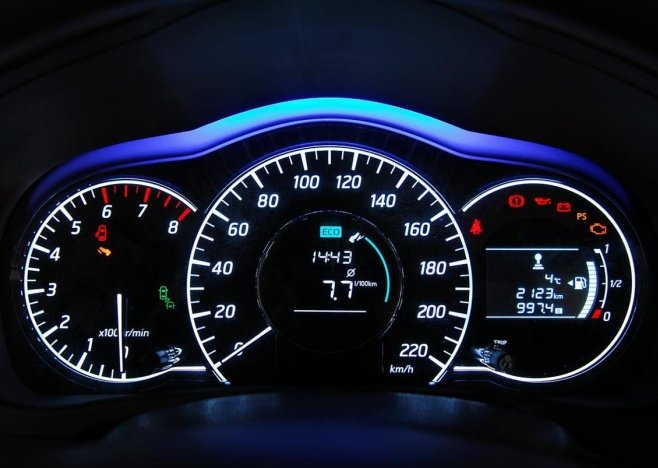
Si utilizas el teléfono en el manillar de la moto o en el salpicadero del coche bajo la luz directa del sol, una pantalla TFT brillante con un protector mate puede funcionar bien. Sin embargo, un Super AMOLED De hecho, la menor reflectividad de la pantalla hace que sea más legible en exteriores que la mayoría de las pantallas TFT, siempre y cuando se acepte el riesgo de quemado que entrañan los mapas estáticos. Ganador: Super AMOLED (si se cuida) / TFT (si se conserva el dispositivo durante más de 7 años).
7. Preguntas frecuentes (sección de preguntas frecuentes)
P1: ¿Es la tecnología Super AMOLED claramente mejor que la TFT LCD?
Desde el punto de vista de la calidad visual y la eficiencia energética, sí: la tecnología Super AMOLED ofrece un contraste y unos colores superiores, además de un mayor ahorro en el modo oscuro. Sin embargo, en cuanto a durabilidad y coste, la tecnología TFT sale ganando. Si tienes pensado usar un dispositivo durante más de seis años y no te gusta el efecto de quemado de la pantalla, la tecnología TFT es la “mejor” opción para ti. No hay un ganador absoluto, solo la opción que mejor se adapta a tus prioridades.
Pregunta 2: ¿Qué tecnología de pantalla es más respetuosa con la vista?
Depende de lo sensible que seas. LCD TFT suele utilizar regulación de intensidad de corriente continua, lo que proporciona una imagen sin parpadeos, lo que resulta cómodo para leer durante mucho tiempo. AMOLED utiliza PWM (modulación por ancho de pulso) a bajos niveles de brillo, lo que algunas personas perciben como un parpadeo que puede provocar fatiga ocular o dolores de cabeza. Si eres muy sensible, prueba primero un dispositivo AMOLED en una tienda o quédate con una pantalla TFT de alta calidad.
Pregunta 3: ¿Sigue produciéndose el efecto de quemado en las pantallas AMOLED de los dispositivos modernos de 2026?
Se ha reducido considerablemente, pero no se ha eliminado por completo. Gracias a la tecnología de desplazamiento de píxeles, los salvapantallas y la mejora de los materiales orgánicos, las pantallas AMOLED de gama alta actuales pueden durar entre 3 y 5 años con un uso normal sin que se aprecie un efecto de quemado. Sin embargo, si mantienes la misma imagen estática (como la señal de una cámara de seguridad, el HUD de un juego o un teletipo de noticias) al máximo brillo durante 8 horas al día, querrá Con el tiempo, se producirá un efecto de quemado. Las pantallas TFT no presentan ningún riesgo.
8. Conclusión y veredicto final
Tras analizar los aspectos físicos, los costes y las aplicaciones prácticas, una cosa queda clara: No existe una pantalla que sea “la mejor” en todos los casos; solo existe la mejor pantalla para tu necesidades.
- Elija LCD TFT para tu teléfono económico, monitor industrial o pantalla de coche, donde la durabilidad, el bajo coste y la ausencia total de riesgo de quemado de pantalla son fundamentales. Es un dispositivo fiable y resistente que nunca te fallará.
- Elija AMOLED/Super AMOLED para tu smartphone insignia, tu reloj inteligente o tu dispositivo para videojuegos, en los que buscas un contraste infinito, colores vivos, un modo oscuro que ahorre batería y diseños modernos, como pantallas curvas o plegables. La experiencia visual es, sin lugar a dudas, superior.
Es evidente que el sector se ha decantado claramente por la tecnología AMOLED, sobre todo en el segmento de gama alta, pero la tecnología TFT sigue siendo una opción relevante y de confianza para millones de usuarios en todo el mundo.
📢 ¡Te toca! ¡Únete a la conversación!
¿Qué características tendrá tu próximo dispositivo? ¿Sigues prefiriendo la fiabilidad, la ausencia de parpadeos y la durabilidad de las pantallas LCD, o estás listo para dar el salto al brillante y vibrante mundo de las pantallas AMOLED? ¡Comparte tu opinión en los comentarios!