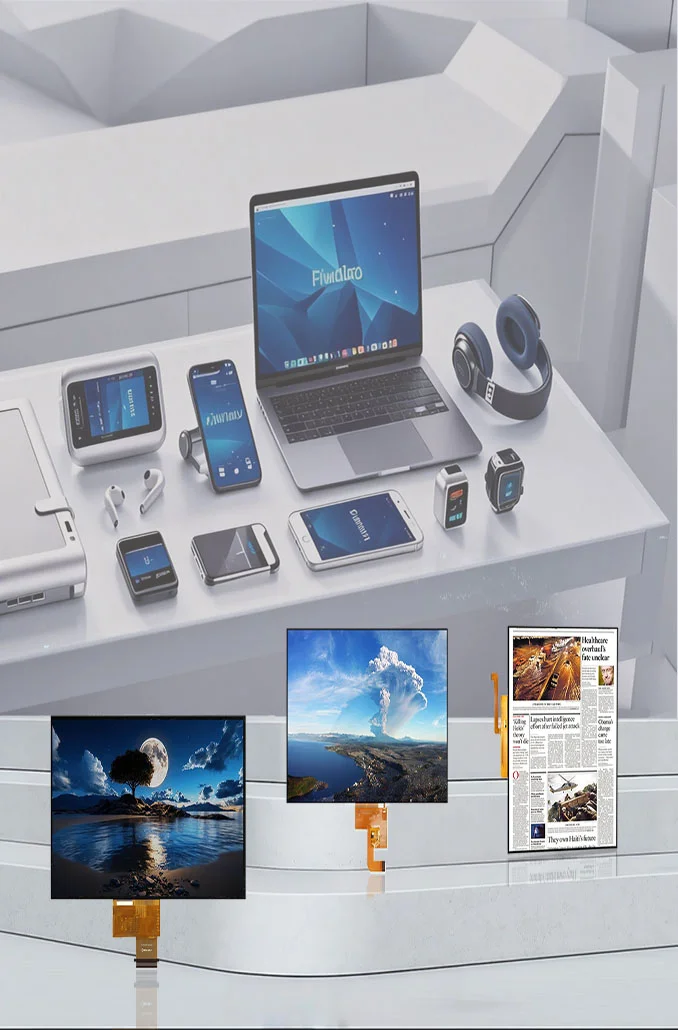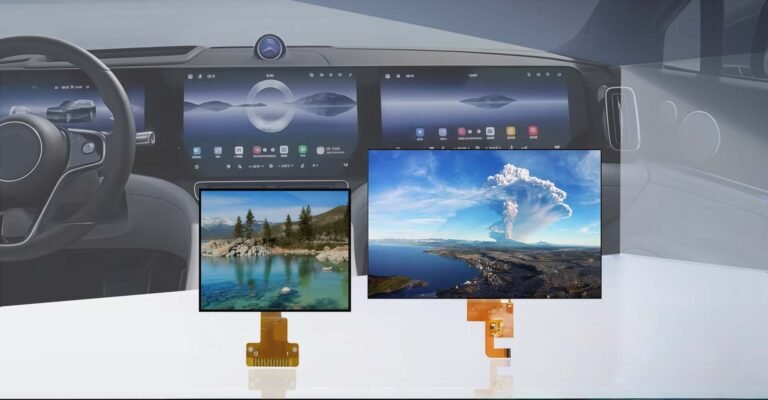







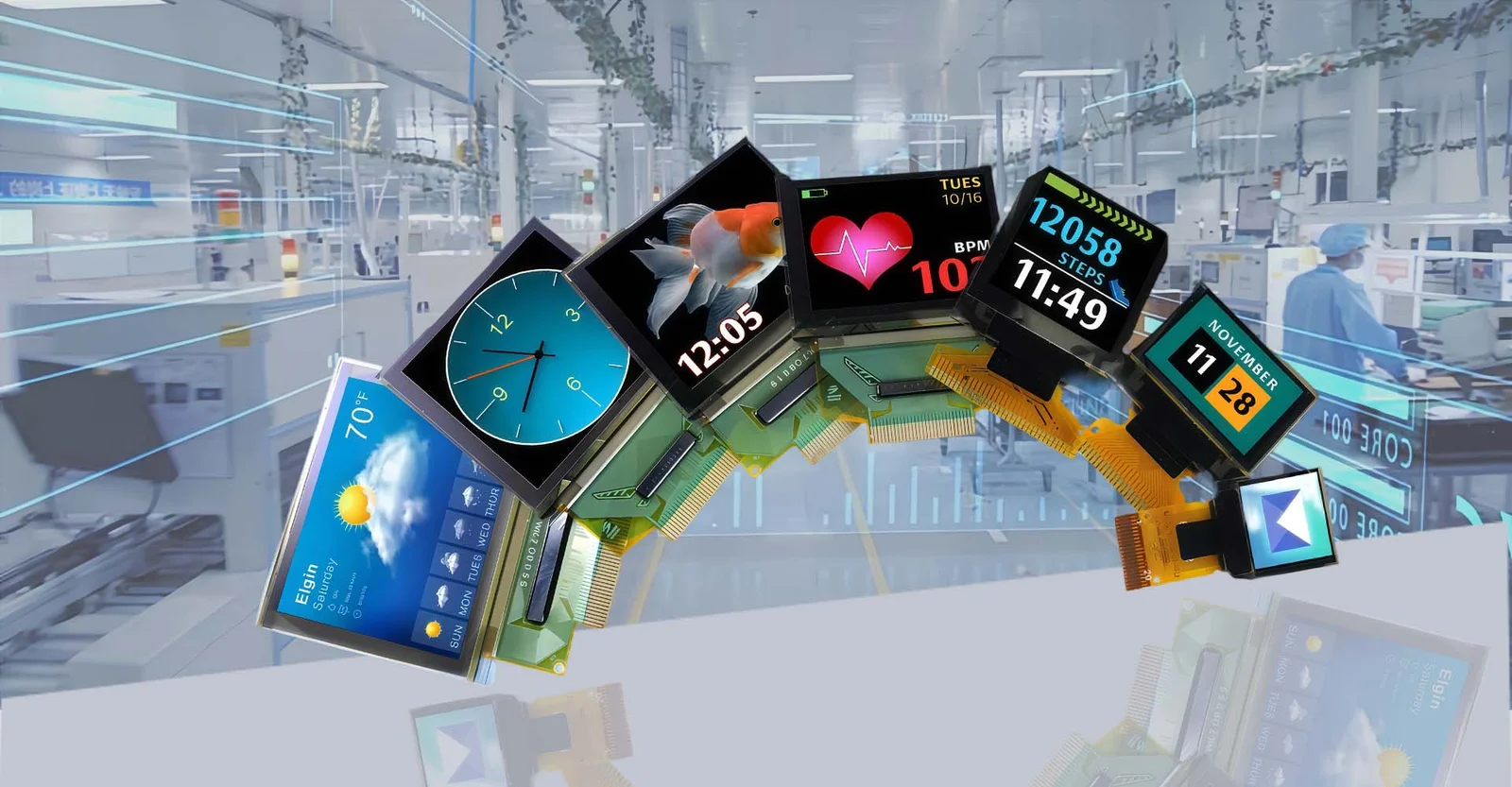

A Custom TFT LCD Display refers to a tailored thin-film transistor liquid crystal display designed specifically to meet the unique mechanical, electrical, optical, and environmental requirements of a particular product or application. Unlike standard off-the-shelf modules, custom TFT LCD displays are engineered from the ground up (or semi-customized from existing platforms) to align with precise specifications such as size, resolution, brightness, interface, touch integration, and operating conditions.
Why Custom TFT LCD Displays Matter in Modern Products
In real-world projects, standard displays often create limitations—whether it’s a mismatch in form factor, insufficient brightness for outdoor use, or incompatible interfaces with the mainboard. A custom TFT LCD display solves these issues by aligning the display with the product, rather than forcing the product to adapt to the display.
From my experience working with OEM and industrial clients, customization becomes critical in sectors like:
- Industrial control systems
- Medical devices
- Automotive dashboards
- Smart home panels
- Outdoor equipment
Full Custom TFT LCD Display Development Process
A successful custom display project is not just about hardware—it’s a structured process involving engineering validation, supplier collaboration, and lifecycle planning.
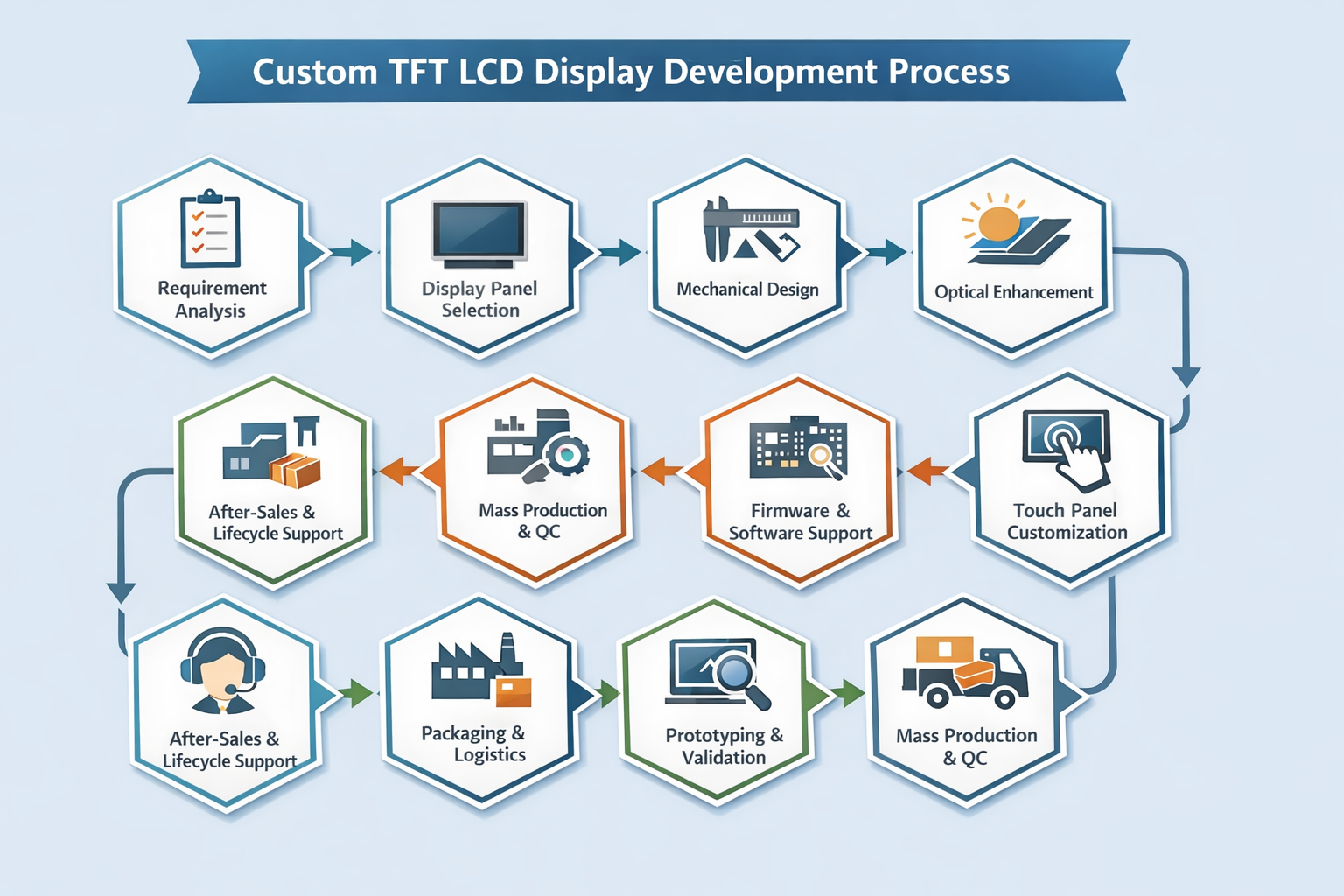
1. Requirement Definition & Feasibility Analysis
This is the most critical stage. Misalignment here leads to delays and cost overruns later.
Key customization factors:
- Display size (e.g., 2.4”, 7”, 10.1”)
- Resolution (QVGA, WVGA, HD, Full HD)
- Aspect ratio (4:3, 16:9, custom)
- Application environment (indoor, outdoor, extreme temperature)
Technical parameters to define:
- Brightness (cd/m²): 250–1500+ nits
- Viewing angle: TN vs IPS
- Operating temperature: -30°C to +85°C
- Interface: RGB, LVDS, MIPI, SPI
Professional insight:
Clients often underestimate environmental factors. For example, outdoor devices require not just high brightness but also anti-glare coatings and optical bonding.
2. Display Panel Selection (Standard vs Semi-Custom vs Full Custom)
There are three practical paths:
A. Standard Panel + Custom Integration
- Fastest and most cost-effective
- Suitable for low-volume or time-sensitive projects
B. Semi-Custom TFT LCD
- Modify backlight, FPC, interface, or touch
- Balanced cost vs flexibility
C. Full Custom TFT LCD Panel
- Custom glass, driver IC, and structure
- High NRE cost, suitable for large-scale production
Material considerations:
- Glass substrate (a-Si TFT)
- Polarizer quality (affects contrast & durability)
- Backlight structure (LED type, lifespan)
3. Mechanical & Structural Design
A custom TFT LCD must fit seamlessly into your product enclosure.
Key elements:
- Outline dimensions (OD)
- Active area (AA)
- Mounting structure (bezel, frame, bracket)
- Thickness constraints
Design rules:
- Maintain tolerance alignment with housing
- Ensure proper heat dissipation
- Consider vibration resistance (especially for automotive/industrial)
4. Electrical Interface & Driver Integration
Choosing the right interface ensures compatibility with your mainboard.
Common interfaces:
- RGB (parallel)
- LVDS (low EMI, stable)
- MIPI DSI (high-speed, modern SoCs)
- SPI (low pin count, small displays)
Important technical considerations:
- Pin definition & FPC layout
- Power consumption (backlight + logic)
- EMI/EMC compliance
- Driver IC selection (e.g., ILI, ST series)
Engineering tip:
Improper signal integrity design is one of the most common causes of display instability.
5. Optical Enhancement & Display Performance Optimization
This step directly impacts user experience.
Optimization options:
- High brightness backlight (sunlight readable TFT LCD)
- Optical bonding (reduces reflection, improves contrast)
- Anti-glare (AG) / anti-reflective (AR) coating
- Wide viewing angle (IPS technology)
Key performance metrics:
- Contrast ratio (e.g., 800:1, 1000:1)
- Color gamut (NTSC %)
- Response time (ms)
6. Touch Panel Customization (Optional)
Most modern displays require touch integration.
Types:
- Resistive touch (low cost, industrial use)
- Capacitive touch (multi-touch, consumer devices)
Customization factors:
- Cover glass thickness
- Surface treatment (AF coating)
- Touch controller compatibility
- Waterproof/glove operation
7. Prototyping & Engineering Validation (EVT/DVT/PVT)
Before mass production, prototypes must be validated.
Stages:
- EVT (Engineering Validation Test)
- DVT (Design Validation Test)
- PVT (Production Validation Test)
Testing includes:
- Thermal cycling
- Vibration testing
- Lifetime testing (backlight aging)
- ESD testing
Professional note:
Skipping validation is a major risk. Many field failures trace back to insufficient early testing.
8. Mass Production & Quality Control
Once validated, production begins with strict quality control.
Key processes:
- Incoming material inspection (IQC)
- In-process quality control (IPQC)
- Final quality control (FQC)
Standards:
- ISO quality systems
- AQL inspection levels
- Reliability testing reports
9. Firmware, Software & System Integration Support
A reliable supplier doesn’t just ship hardware—they support integration.
Support services:
- Initialization code
- Touch driver support
- GUI development assistance
- Debugging support
10. Packaging, Logistics & Supply Chain Stability
Often overlooked but critical for long-term projects.
Key considerations:
- ESD-safe packaging
- Custom trays or cartons
- Long-term supply guarantee (5–10 years)
- Alternate component planning
11. After-Sales Support & Lifecycle Management
A professional custom TFT LCD supplier must provide long-term support.
Includes:
- Failure analysis (FA reports)
- Replacement & repair service
- PCN (Product Change Notification)
- EOL (End-of-Life) management
Trust factor:
Reliable suppliers proactively inform customers about component changes—this is a key indicator of credibility.
Common Mistakes in Custom TFT LCD Projects
Based on real project experience, here are pitfalls to avoid:
- Undefined requirements at project start
- Choosing price over reliability
- Ignoring environmental testing
- Lack of long-term supply planning
- Poor communication between hardware and firmware teams
Conversion Path: From Concept to Reliable Supply (Jictech)
If you are planning a custom TFT LCD display project, the safest path is working with an experienced manufacturer who understands both engineering and production realities.
Jictech (JIC Display) specializes in:
- Custom TFT LCD module design
- Industrial and outdoor display solutions
- Touch integration and optical bonding
- Long-term supply for OEM/ODM projects
Typical workflow with Jictech:
- Requirement evaluation (24–48h feedback)
- Solution proposal + drawing confirmation
- Sample development (2–6 weeks)
- Validation & testing
- Mass production with stable supply
This structured approach reduces risk and shortens your time-to-market.
FAQ: Custom TFT LCD Display Guide
MOQ depends on customization level. Semi-custom solutions may start from a few hundred units, while fully custom panels typically require thousands.
Development time ranges from 4 to 12 weeks depending on complexity, including prototyping and validation stages.
IPS offers wider viewing angles and better color consistency, while TN is more cost-effective and faster in response time.
Yes, with enhancements like high brightness (≥1000 nits), optical bonding, and anti-glare coatings, they perform reliably in sunlight.
It depends on your mainboard:
MCU → SPI or RGB
MPU → MIPI or LVDS
Selecting the correct interface ensures stable performance and easier integration.