








To be honest, sourcing TFT LCDs is no easy task. But if you choose the wrong supplier, you may face poor product quality, delivery delays, or—should the product fail—a supplier who shirks responsibility or even disappears. Whether you’re a procurement manager coordinating multiple suppliers or an engineer validating specifications for your next product, this practical guide will help you find a supplier you can truly trust.
Start with the Basics: Review Success Stories
Don’t just skim their website and call it a day. Dig deeper to understand how long they’ve been in the industry, their technical capabilities, and even their patents. A supplier that has been providing high-definition display modules for over 10 years has certainly had good reasons to stay in business this long. Focus on verifying the following:
1. Authentic customer case studies (not just logos plastered on the homepage). These typically include detailed descriptions of project development. Reputable LCD manufacturers have a comprehensive project development process.
2. Case studies specific to your industry—medical displays, industrial displays, automotive displays, consumer electronics displays, aviation displays, smart home displays, etc.—featuring detailed project development case studies, sample demonstrations, and project introductions.
3. Key certifications: ISO 9001, ISO 13485 for the medical sector, or IATF 16949 for the automotive sector.
4. If client case studies or industry case introductions are vague or overly simplistic, and industry certification credentials are missing, there may be misleading claims.
5. Client reviews: Authentic success stories often include client testimonials and photos. High-quality suppliers will also provide certification documents, all of which objectively verify the accuracy of the supplier’s claims.
6. It is crucial to verify which clients the supplier collaborates with, particularly whether they include well-known companies or industry leaders. Suppliers’ official websites typically feature dedicated sections highlighting key partners.
If they evade your inquiries or provide ambiguous answers, this is the first red flag, and you should approach the vetting process with caution.
Assessing Technical Capabilities
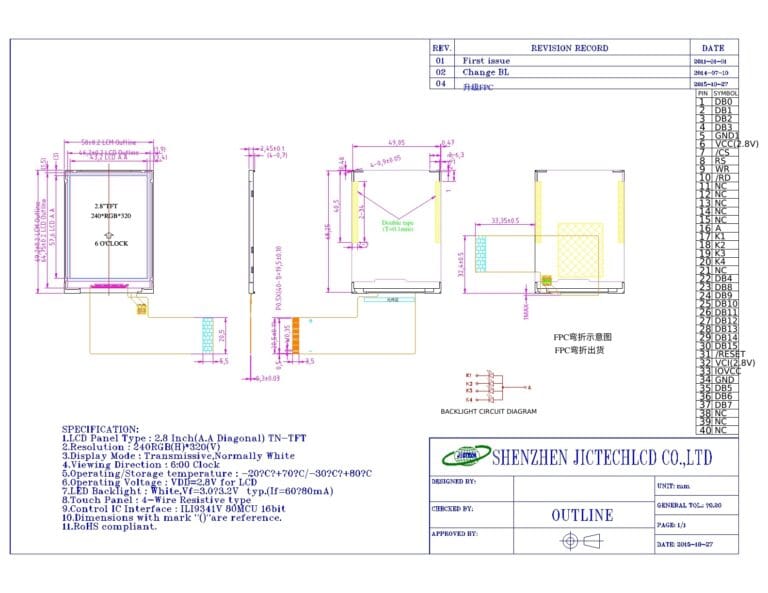
Purchasing high-definition LCD displays is not like buying socks. These displays need to be integrated into your hardware, so the supplier must understand your technical jargon. Send them your specification sheet—brightness requirements, viewing angles, interface types, operating temperature range—and observe their response.
A reliable supplier will:
1. Ask clarifying questions about your application scenario.
2. If your specifications are too high (or too low), they will propose alternative technical solutions and discuss whether they can develop a custom solution based on your needs.
3. Provide detailed data sheets, not empty marketing hype.
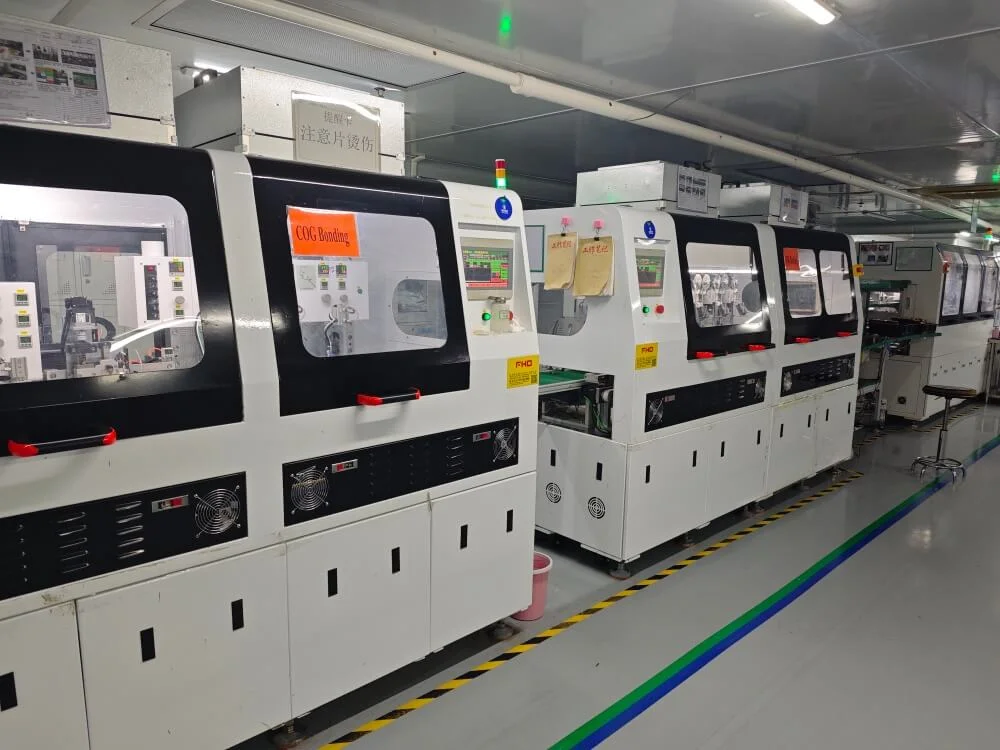
4. Reputable LCD suppliers typically have an R&D team, patent certificates, production facilities, manufacturing equipment, and technical expertise.
If the supplier only responds with a copy-and-paste brochure and offers no technical follow-up, keep looking.
Sample Evaluation Process
Never commit to bulk purchases before physically inspecting the product. A trustworthy supplier will provide:
1. Engineering samples for verification.
2. A reasonable prototyping timeline (2–4 weeks is standard).
3. Clear communication regarding modifications if the first round of samples is not perfect.
Pay attention to how they handle feedback: do they propose solutions, or do they simply agree to everything and hope for the best?
Test Their Support Capabilities
Products break, and supply chains run into issues. When this happens, you need someone who can respond to emails promptly. Before signing any agreement:
1. Call their sales hotline—do you speak to a real person, or do you get stuck in an endless voice menu?
2. Send an email with a technical question at 6:00 PM local time—when will they reply?
3. Ask about their Return Merchandise Authorization (RMA) process; vague answers here will lead to trouble down the road.
4. Ask technical questions about specifications, quality issues, after-sales service, and production. Assess whether their responses are professional, if their problem-handling procedures are compliant, or if they’re just brushing you off—these are all key criteria for evaluation.
Verify Production Control
1. Ask about the actual production location of the displays. Some suppliers simply affix their own brand to products manufactured by third-party factories—which isn’t necessarily a bad thing—but you have the right to know the truth.
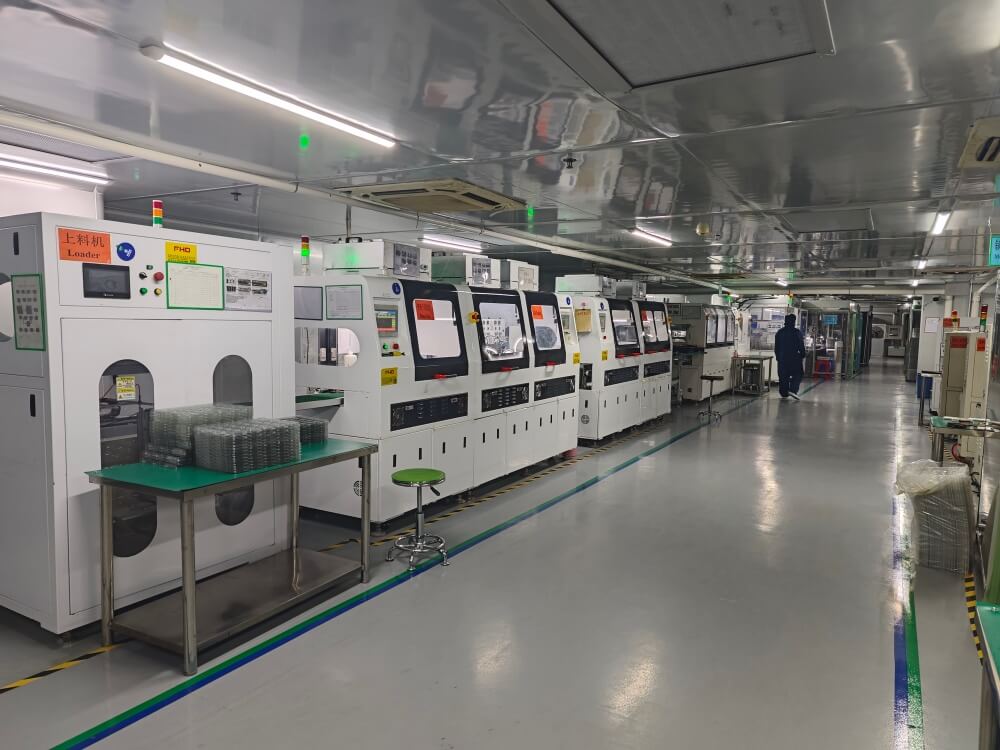
2. Ideally, they should own the manufacturing facility or have a deep partnership with it. It’s even better if they allow you to audit the factory—whether remotely or on-site.
3. If necessary, visit their factory in person to inspect production equipment, sample displays, and observe the entire production process, quality testing, and quality control procedures.
Securing the Logistics Process
TFT LCD screens are fragile items. A single instance of rough handling during shipping or customs inspection could turn your shipment into a “modern art piece” by the time it arrives. Please confirm:
1. Packaging standards (comprehensive measures including anti-static and shock-proofing)
2. Clarity regarding Incoterms—who bears the risk at each stage?
3. Contingency plans for batches that fail quality inspection; do they maintain buffer stock?
Key Points
Finding a reliable TFT LCD supplier is no mere formality. The key lies in establishing a partnership with a company that truly values your project. Be sure to invest time in the early stages—rigorously review qualifications, technical capabilities, new product development capacity, production capabilities, quality control, conduct thorough testing of samples, and even conduct on-site visits. Also, pay attention to the company’s treatment of its employees and ensure timely communication. If communication becomes strained, trust your instincts.
Frequently Asked Questions
1. How long does the sample evaluation process typically take?
From specification confirmation to delivery, it usually takes 2 to 4 weeks, provided there are no major modifications. For complex customizations (such as optical lamination or special coatings), the cycle may extend to 6 to 8 weeks.
2. What is the biggest red flag when screening new suppliers?
Evading questions about production locations or quality control processes. If the supplier cannot clearly explain the origin of the displays or their testing methods, terminate the partnership immediately.
3. Should I prioritize price or technical capability?
For most industrial and medical applications, technical capability is more important. A slightly higher unit price is far more cost-effective than on-site failures, product recalls, or customer complaints that may arise later. However, once you have shortlisted qualified candidates, you should still obtain competitive quotes.
4. How should you address communication barriers with overseas suppliers?
Seek a dedicated account manager who is fluent in English and well-versed in technical terminology. Time zone differences can be managed, but misunderstandings of technical specifications caused by language barriers must not be overlooked.
5. Which certifications are truly important for TFT LCD suppliers?
ISO 9001 is the basic threshold. Depending on your end market, industry-specific certifications—such as ISO 13485 (medical), IATF 16949 (automotive), or UL safety certification—are critical. Be sure to verify certificates directly with the issuing authorities—the prevalence of counterfeit documents is far greater than you might imagine.