








Does TFT LCD last long?
Yes, TFT (Thin Film Transistor) LCDs generally offer a robust operational lifespan, typically ranging from 30,000 to 60,000 hours before the backlight brightness degrades to 50% of its original output. In practical terms, if a display is used for eight hours a day, this translates to roughly 10 to 20 years of service. However, “lasting long” is relative; while the liquid crystal layer itself can remain functional for decades, the backlight unit—usually CCFL in older models or LED in modern ones—is often the first component to show signs of aging. The longevity of a specific panel depends heavily on its manufacturing quality, the type of backlight technology employed, and the environmental conditions in which it operates.
Understanding TFT LCD Longevity by Type
Not all TFT LCDs are created equal. The industry has shifted significantly from Cold Cathode Fluorescent Lamp (CCFL) backlights to Light Emitting Diode (LED) backlights over the last decade, drastically altering life expectancy figures. Furthermore, industrial-grade panels are built with different tolerances compared to consumer electronics.
The following table outlines the estimated half-life (time to 50% brightness) for common TFT LCD configurations:
| Display Type | Backlight Technology | Estimated Lifespan (Hours) | Typical Use Case |
|---|---|---|---|
| Legacy Consumer Monitor | CCFL | 20,000 – 30,000 | Older laptops, pre-2010 desktop monitors |
| Standard Consumer LED | White LED (Edge-lit) | 30,000 – 50,000 | Modern TVs, office monitors, tablets |
| High-End Commercial LED | White LED (Direct-lit) | 50,000 – 60,000 | Digital signage, high-brightness kiosks |
| Industrial Grade TFT | High-temp LED | 60,000 – 100,000+ | Automotive dashboards, medical equipment, aviation |
| Transflective TFT | Ambient/LED Hybrid | 50,000+ (LED dependent) | Outdoor instrumentation, handheld military gear |
Note: Lifespan is defined as the time required for the backlight luminance to drop to 50% of its initial value. The TFT matrix itself often outlasts the backlight.
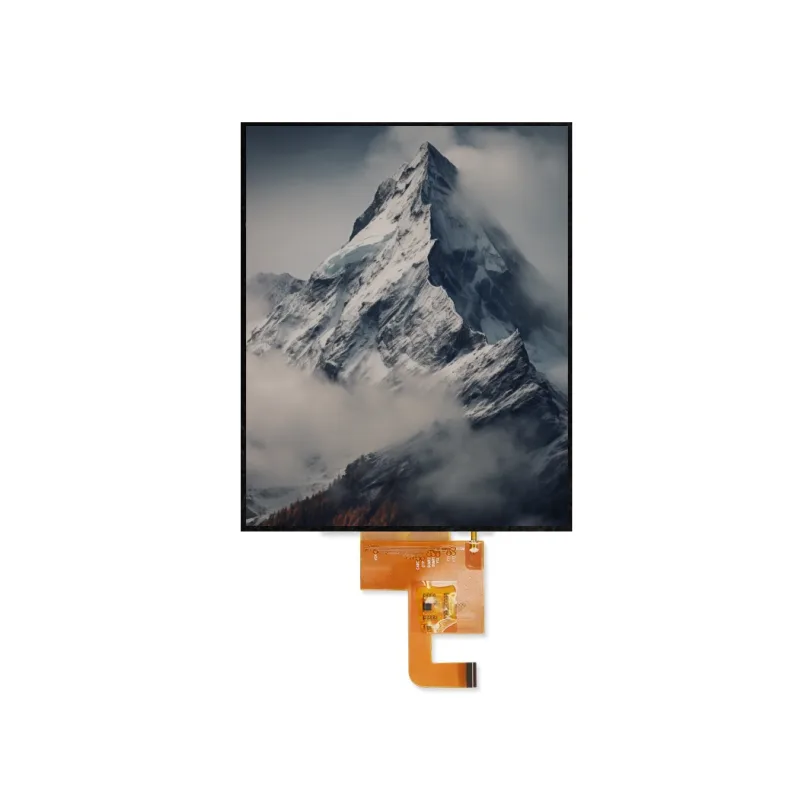
Critical Factors Influencing Display Life
While the manufacturer’s rating provides a baseline, real-world longevity is dictated by several variable factors. Ignoring these can cut a display’s life in half.
1. Operating Temperature
Heat is the primary enemy of LCD longevity. High temperatures accelerate the degradation of the liquid crystal material and, more critically, the phosphors in CCFLs or the semiconductor junctions in LEDs. Operating a panel consistently above its specified maximum temperature (often 60°C to 70°C for commercial units) causes rapid brightness loss and color shifting. Conversely, extreme cold can cause the liquid crystals to freeze or respond sluggishly, leading to physical stress on the cell during startup.
2. Backlight Drive Current
Many users maximize brightness settings, forcing the backlight driver to push current beyond optimal levels. While this improves visibility, it generates excess heat and stresses the light source. Running an LED backlight at 100% intensity continuously can reduce its lifespan by 20-30% compared to operating at 70-80% brightness. Adaptive brightness controls are essential for extending life in always-on applications.
3. Humidity and Moisture Ingress
TFT panels are sealed, but the periphery and driver connections are vulnerable. High humidity can lead to corrosion of the thin-film transistors or delamination of the polarizer films. In coastal or industrial environments, moisture combined with corrosive gases can cause “mura” effects (cloudy patches) or complete line failures much earlier than expected.
4. Static Image Retention (Image Sticking)
Although less severe than OLED burn-in, TFT LCDs can suffer from image sticking if static elements (like taskbars or logos) are displayed for thousands of hours without variation. This occurs due to the residual DC voltage affecting the alignment of liquid crystals. While often reversible by turning the screen off for a period, chronic exposure can lead to permanent ghosting.
5. Mechanical Stress and Vibration
Particularly relevant in automotive and industrial settings, constant vibration can loosen the connections between the glass substrate and the driver ICs (Tab bonding). Micro-cracks in the glass or solder joints can develop over time, leading to flickering lines or total panel failure, even if the backlight is still functional.
Conclusion
TFT LCD technology remains a staple in the display industry precisely because of its reliability and predictable aging curve. While they may not offer the infinite contrast of emerging technologies, their ability to function reliably for tens of thousands of hours makes them ideal for applications where stability is paramount. By selecting the appropriate grade of panel for the environment and managing thermal and electrical loads, users can ensure their TFT displays exceed the standard life expectancy.
Frequently Asked Questions (FAQ)
The most common sign is a noticeable dimming of the screen, where the image becomes washed out even at maximum brightness settings. You might also observe a yellowish or reddish tint developing across the display, indicating backlight degradation. Unlike OLEDs, TFTs rarely “die” suddenly; they gradually fade. If you see flickering that isn’t related to the cable, it could be a failing inverter (in CCFL models) or a driver issue.
Yes. The most effective method is to reduce the brightness setting to 70-80% of the maximum. This significantly lowers the thermal load on the backlight. Additionally, ensuring proper ventilation around the monitor to prevent heat buildup and using screen savers or pixel-shifting features to prevent static image retention can help maintain panel health.
Lifespan refers to the technical duration the screen operates before brightness drops to 50% (e.g., 50,000 hours). Warranty is a commercial guarantee, typically covering defects for 1 to 3 years. A screen can be well within its technical lifespan but out of warranty. Industrial panels often come with longer warranties (3-5 years) reflecting their higher build quality and longer expected operational life.
Not in the same permanent way. TFT LCDs can experience “image sticking” or temporary retention if a static image is displayed for extended periods. However, this is usually caused by the liquid crystals temporarily losing their ability to twist back to the neutral state. In most cases, image sticking disappears after displaying moving content or turning the screen off for a few hours. Permanent burn-in is extremely rare in modern TFTs.
For standard consumer monitors and laptops, it is rarely cost-effective. The labor involved in disassembling the panel to replace CCFL tubes or LED strips often exceeds the cost of a new unit, and there is a high risk of damaging the fragile glass layers during repair. However, for specialized industrial, medical, or avionics displays where replacement parts are scarce or calibration is critical, professional backlight repair is a common and viable practice.