








A TFT (Thin-Film Transistor) screen in a car is an advanced type of LCD display that uses active matrix technology to deliver sharper images, faster response times, and wider viewing angles compared to traditional passive matrix screens, serving as the visual backbone for modern infotainment systems, digital instrument clusters, and rear-seat entertainment units.
The Evolution from Passive to Active Matrix
To understand why TFT has become the industry standard, one must look at the limitations of earlier automotive displays. In the early days of in-car electronics, screens were often small, sluggish, and difficult to read under direct sunlight. These older passive matrix LCDs struggled with “ghosting” effects when displaying fast-moving graphics, such as navigation maps or backup camera feeds. The introduction of Thin-Film Transistor technology marked a pivotal shift. By placing a dedicated transistor at each pixel intersection, TFT screens can control individual pixels with greater precision and speed. This active control allows the display to refresh rapidly, eliminating motion blur and ensuring that critical driving information remains crisp and legible regardless of the vehicle’s speed or the angle from which the driver views the dashboard.
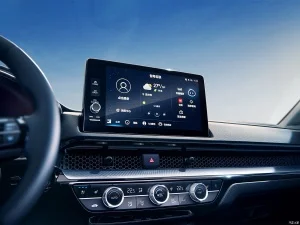
Enhancing the Driver Experience
The integration of TFT screens has fundamentally altered the interior architecture of modern vehicles. No longer confined to a small radio display, these screens now span entire dashboards, creating seamless digital cockpits. High-resolution TFT panels support vibrant color reproduction and high contrast ratios, which are essential for rendering detailed 3D navigation maps, real-time traffic data, and complex vehicle telemetry. Furthermore, their superior performance in varying lighting conditions is crucial for automotive safety. Advanced TFT modules are engineered with high brightness capabilities and anti-reflective coatings, ensuring that the display remains visible even when direct sunlight floods the cabin, while simultaneously dimming effectively to prevent glare during night driving.
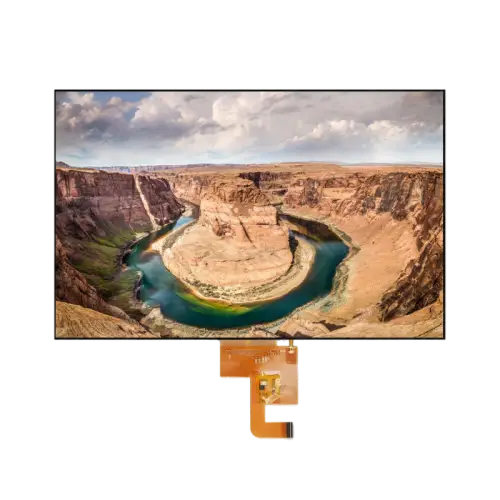
Beyond the Dashboard: Integration and Versatility
While the instrument cluster and central infotainment hub are the most prominent applications, TFT technology has permeated nearly every visual interface within the vehicle. Rear-seat passengers benefit from high-definition entertainment screens mounted on seatbacks, while side-view cameras and 360-degree surround-view systems rely on the rapid refresh rates of TFTs to provide lag-free video feeds during parking maneuvers. As vehicles become increasingly connected and autonomous, the demand for these displays will only grow. Future iterations are already pushing toward higher resolutions, flexible form factors, and integration with augmented reality (AR) heads-up displays, proving that the TFT screen is not just a component, but a central pillar in the ongoing digital transformation of the automotive experience.