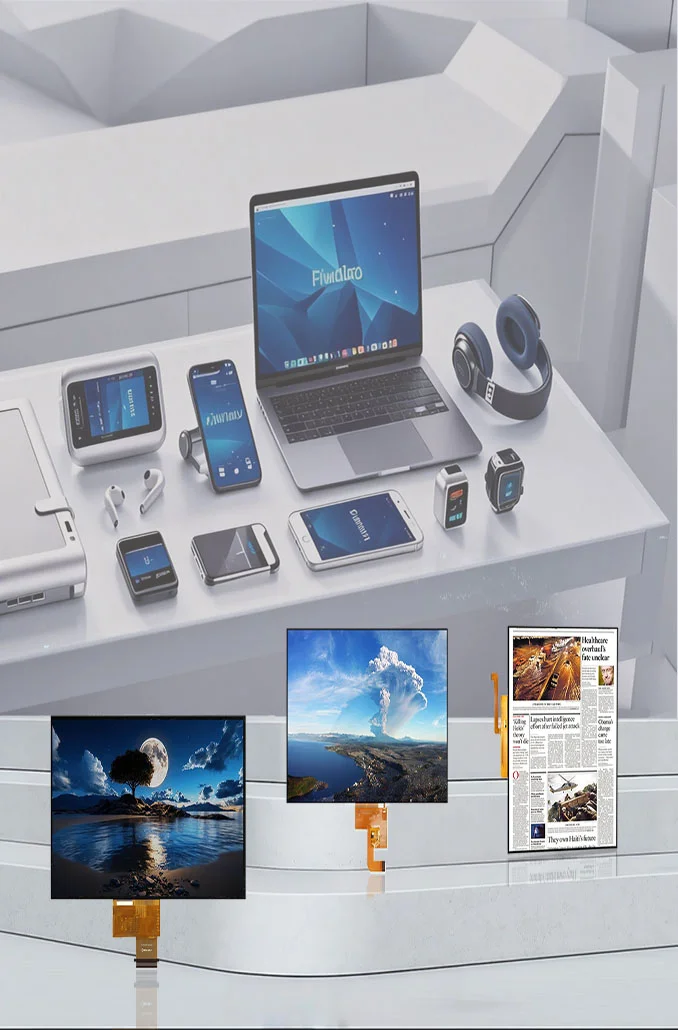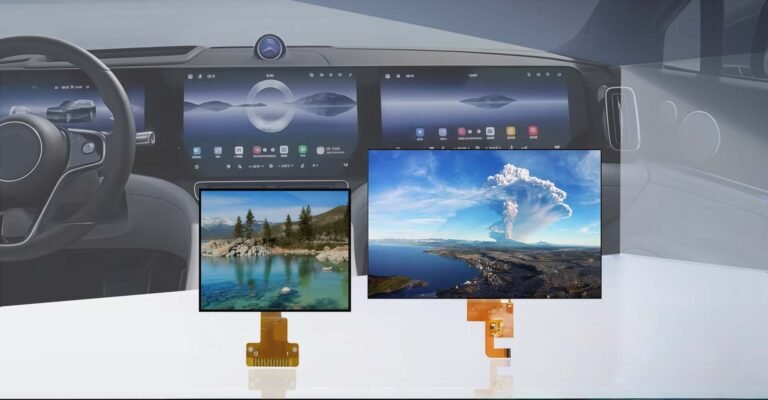







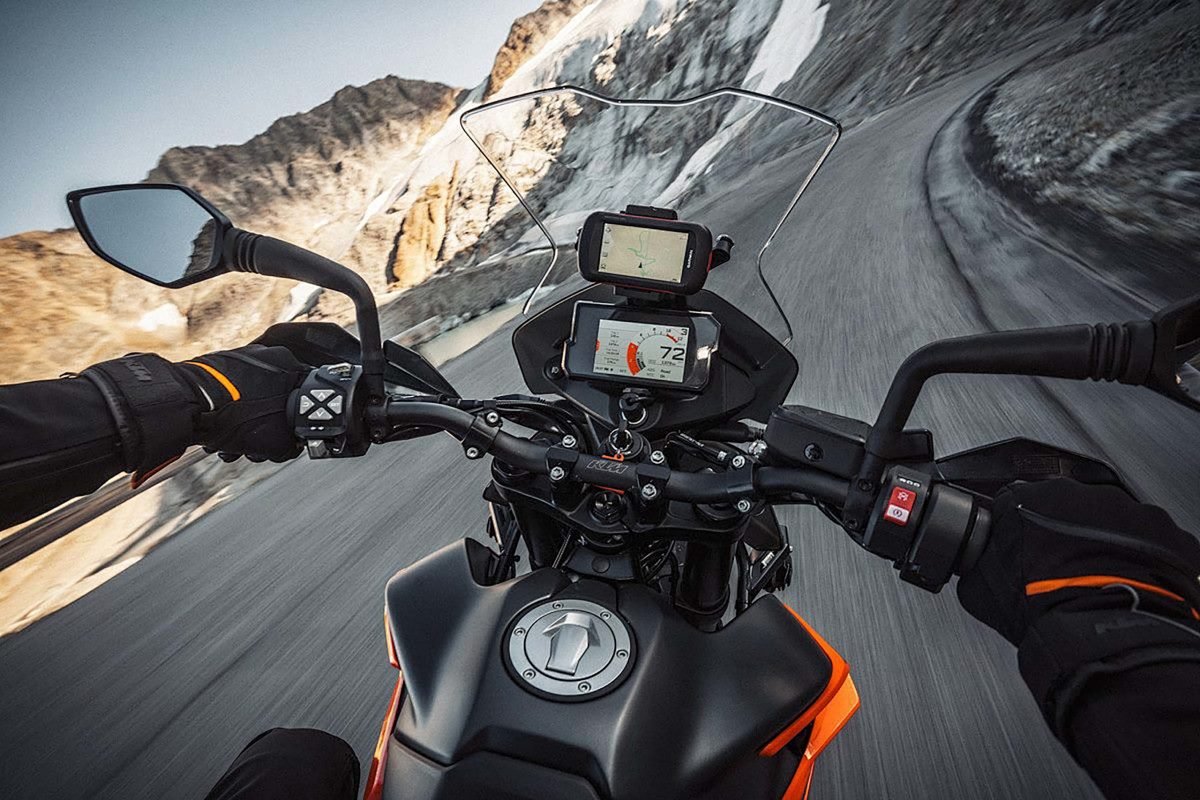

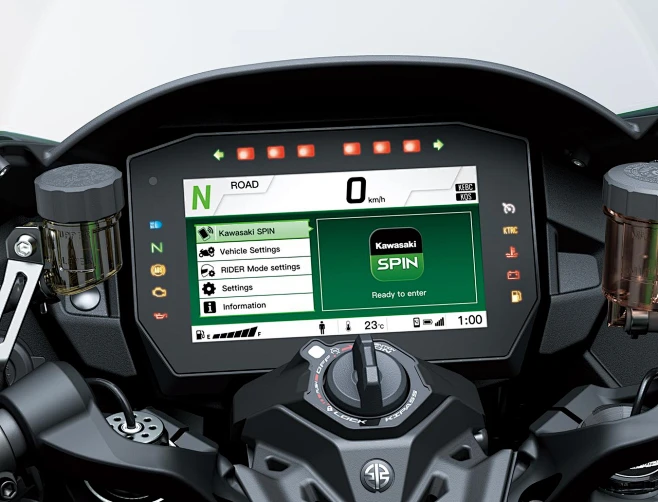
A TFT display on a motorcycle is a Thin-Film Transistor (TFT) liquid crystal display used as a digital instrument cluster, replacing traditional analog gauges. It delivers high-resolution, full-color visuals that show critical riding data—such as speed, RPM, fuel level, navigation, and connectivity features—in a clear, customizable, and responsive interface, even under harsh outdoor conditions.
Introduction: Why TFT Displays Are Becoming Standard
If you’ve ridden a modern motorcycle recently, you’ve probably noticed the shift from basic LCD or analog dials to vibrant, smartphone-like dashboards. This isn’t just a cosmetic upgrade. TFT displays represent a significant leap in usability, safety, and rider experience.
From my experience working with display technologies in embedded systems, TFT screens stand out because they balance visibility, durability, and integration capabilities—all critical in a motorcycle environment where lighting, vibration, and weather constantly change.
What Exactly Is a TFT Display?
A TFT display is a type of LCD (Liquid Crystal Display) that uses thin-film transistor technology to control each pixel individually. This allows:
- Faster refresh rates
- Better color reproduction
- Higher contrast
- Sharper images
How TFT Technology Works
- Each pixel is paired with its own transistor
- Transistors act like switches, controlling light passage
- A backlight illuminates the screen
- Liquid crystals adjust to form images
This active-matrix structure is what makes TFT superior to older passive displays.
Key Features of TFT Motorcycle Displays
Modern TFT motorcycle dashboards are not just screens—they’re intelligent interfaces.
Core Features
- Full-color UI with customizable themes
- High brightness for sunlight readability
- Anti-glare and anti-reflective coatings
- Wide viewing angles
- Integration with smartphones (Bluetooth, navigation)
- Real-time diagnostics and alerts
Typical TFT Display Specifications (Motorcycle Use)
Below is a realistic parameter range based on industry standards:
| Parámetro | Typical Range | Notes |
|---|---|---|
| Tamaño de la pantalla | 3.5″ – 10.25″ | Larger in premium bikes |
| Resolución | 320×240 – 1280×720 (HD) | Higher = sharper UI |
| Luminosidad | 800 – 1500 nits | Critical for sunlight |
| Contrast Ratio | 500:1 – 1500:1 | Impacts readability |
| Operating Temp | -20°C to 70°C | Outdoor durability |
| Ángulo de visión | 160° – 178° | Wide-angle visibility |
| Touch Capability | Optional (glove-compatible) | Increasing trend |
| Interfaz | CAN, UART, LVDS | Vehicle integration |
| Protection Level | IP65 – IP67 | Dust & water resistance |
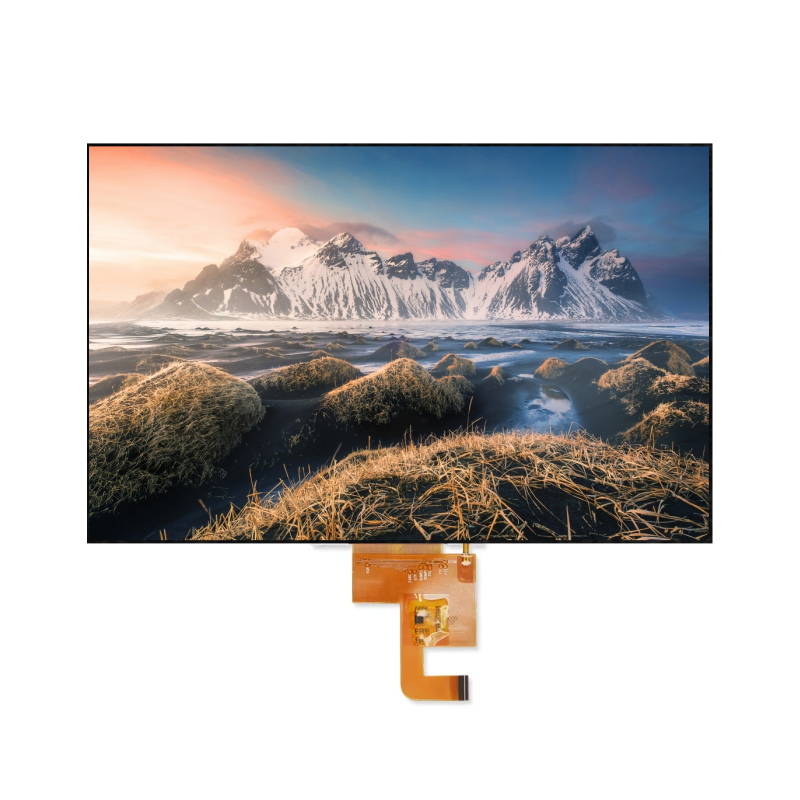
TFT vs Other Motorcycle Display Technologies
Here’s how TFT compares with other common display types:
| Feature | TFT Display | LCD (Segment) | OLED Display |
|---|---|---|---|
| Color | Full color | Limited / mono | Full color |
| Visibility | Excellent | Moderate | Good (sunlight weaker) |
| Luminosidad | Very high | Medio | Medio |
| Power Consumption | Moderate | Low | Low–moderate |
| Durability | High | Very high | Lower (burn-in risk) |
| Cost | Medium–high | Low | High |
| UI Flexibility | Very high | Very limited | High |
In real-world motorcycle applications, TFT strikes the best balance between performance and reliability.
Why Motorcycles Use TFT Displays
Motorcycles operate in one of the harshest environments for electronics—direct sunlight, rain, vibration, and rapid temperature shifts. TFT displays are specifically suited for this.
Advantages of TFT Displays for Motorcycles
| Advantage | Why It Matters |
|---|---|
| Alto brillo | Readable under direct sunlight |
| Rugged Design | Withstands vibration and shocks |
| Amplia gama de temperaturas | Works in extreme weather |
| Custom UI | Adapts to rider preferences |
| Data Integration | Combines multiple gauges into one |
| Smart Connectivity | Navigation, calls, music |
| Safety Alerts | Real-time warnings improve safety |
How to Choose the Right TFT Display for a Motorcycle
If you’re selecting a TFT display (for OEM, aftermarket, or engineering projects), here’s a practical checklist:
1. Brightness Is Non-Negotiable
- Minimum 1000 nits recommended for outdoor use
2. Resolution vs Screen Size
- Avoid overkill—balance clarity with processing cost
3. Environmental Protection
- Look for IP65+ and wide temperature ratings
4. Interface Compatibility
- Ensure support for CAN bus (common in motorcycles)
5. UI & Software Flexibility
- Customizable UI is critical for branding and UX
6. Touch vs Physical Controls
- Touchscreens are growing, but gloves and rain matter
Real-World Insight
From hands-on integration projects, one common mistake is underestimating sunlight readability. A display that looks great indoors can become unreadable outdoors. Manufacturers that prioritize optical bonding, anti-glare coatings, and high luminance consistently deliver better rider satisfaction.
Another overlooked factor is UI design—not just hardware. Even the best TFT panel fails if the interface is cluttered or distracting at high speeds.
Additional Considerations Often Overlooked
To make this guide more complete, here are elements many articles miss:
- Optical bonding: Reduces reflection and improves clarity
- Polarization tuning: Enhances visibility with sunglasses
- EMI shielding: Prevents interference with vehicle electronics
- Boot time: Critical for ignition experience
- Redundancy/safety fallback: Backup indicators in case of failure
Conclusion
TFT displays have transformed motorcycle dashboards into smart, adaptive control centers. They offer the ideal combination of visibility, durability, and digital flexibility, making them the preferred choice for modern motorcycles.
As bikes become more connected and feature-rich, TFT displays will continue to evolve—likely incorporating AR navigation, voice control, and AI-assisted riding interfaces in the near future.
FAQ: What is a TFT Display on a Motorcycle?
Yes. TFT displays offer better color, clarity, and functionality, especially under sunlight and for complex data visualization.
High-quality TFT displays (1000+ nits) are specifically designed for sunlight readability and perform very well outdoors.
Most are rated IP65 to IP67, meaning they are resistant to dust and water, suitable for rain and harsh conditions.
They consume more power than simple LCDs but are optimized for vehicle systems, so the impact is minimal.
Yes. With proper design (thermal management, anti-vibration), TFT displays are highly durable and widely used in automotive-grade applications.